
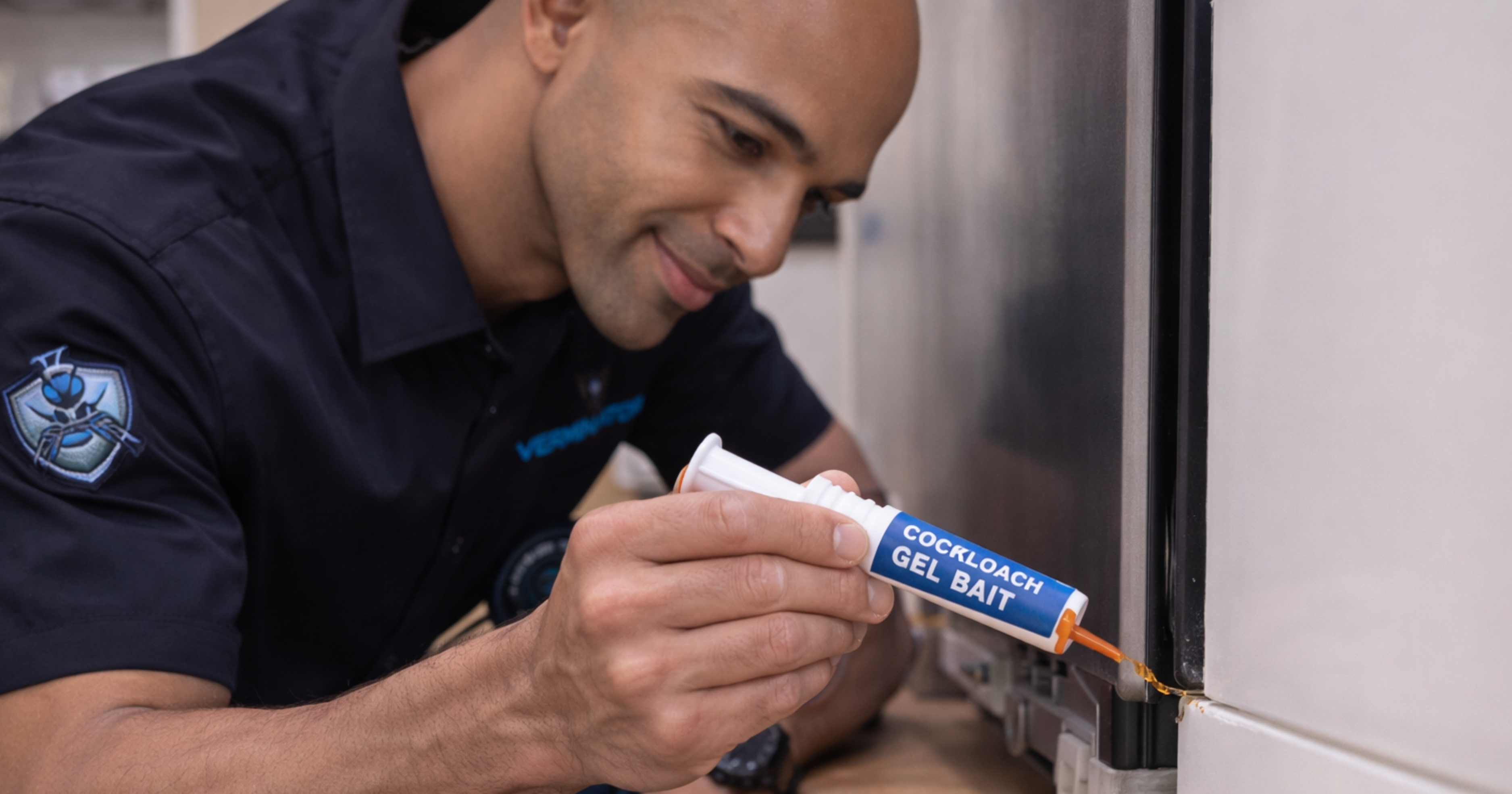
Cockroach Control Atlantic Seaboard
This page is the regional hub for cockroach control on the Atlantic Seaboard. We treat German cockroaches, American cockroaches, and cockroaches from Sea Point and Green Point through to Camps Bay and Clifton—finding entry points and proofing so activity does not return. Cockroach Control Cape Town is our city-level page; Pest Control Atlantic Seaboard covers all pests for this area.
This page is the regional hub for rodents on the Atlantic Seaboard. Dedicated suburb pages will be added over time; book or quote with your address and we will route you from here and Cockroach Control Cape Town.
We target harbourage, not only the insects you see.
Gel and baiting plans · Crack-and-crevice treatment · Proofing and moisture guidance

Book cockroach control in Atlantic Seaboard
engineered to eliminate™—so you get control that holds. Tell us your address, property type, and where you are seeing cockroaches (kitchen, bathroom, ducts, restaurant line).
- Select your suburb (Sea Point, Camps Bay, Clifton, etc.)
- Choose residential, restaurant, or commercial
- Note roof, ceiling, kitchen, or refuse-area activity
- Upload photos of droppings or gnaw marks if helpful
- Choose quote, booking, or WhatsApp
Protecting your property from recurring cockroach pressure
Cockroaches spread allergens, spoil stock, and breach hygiene expectations in food businesses. Professional control combines targeted treatment with proofing and moisture management so populations do not rebound.
Why Atlantic Seaboard clients choose Verminator for cockroaches
We match species and site—German cockroaches in kitchens need a different service than American cockroaches in drains. Our team focuses on harbourage and entry, not only visible insects.
- Coastal Atlantic Seaboard coverage
- German cockroaches, American cockroaches, cockroaches
- Humane trapping and secure bait stations
- Proofing for roof voids and service ducts
- Discreet service for hospitality
Cockroaches activity in Atlantic Seaboard right now
Cockroach pressure remains moderate as temperatures drop. Indoor species stay active; American and Oriental roaches may move indoors from drains and basements. Good time to eliminate before winter concentration.
Activity level
Moderate
Most active now
German cockroach, American cockroach
Less active this season
Brown-banded (often indoor year-round), Oriental (increasing in damp areas)
What to maintain now
- Continue sealing entry points; cooler nights can push roaches indoors.
- Reduce clutter and fix leaks; remove harbourage near boilers and drains.
- If you see activity, treat now before they concentrate in warm spots for winter.
Area brief — Atlantic Seaboard (cockroach)
Operations and partner context — same regional source data as broad pest control. Machine-readable JSON embedded for tools (schema v1).
Regional snapshot
Regional reference and pest control for the Atlantic Seaboard, Cape Town: Sea Point, Green Point, Mouille Point, Fresnaye, Bantry Bay, Clifton, Camps Bay, Bakoven. Pest ecology of the coastal strip: apartments, restaurants, holiday rentals, villas. Why pests behave differently here; suburb-by-suburb intelligence; property-type segments. Fast local response, coastal property expertise.
Service line
Pest control for the Atlantic Seaboard coastline: Sea Point, Green Point, Mouille Point, Fresnaye, Bantry Bay, Clifton, Camps Bay, Bakoven. Pest ecology of the coastal strip — apartments, restaurants, holiday rentals, villas. Treatments tailored to dense urban pressure, coastal weather and seasonal visitor flow. Fast local response.
Cockroach angle (regional pest matrix)
Warmth, moisture, food residue, drains and shared service spaces make cockroach control especially important in older apartment and hospitality settings. Food premises are subject to hygiene requirements under Regulation 638/2018, which the City references in its health documentation.
- Kitchens
- Restaurants
- Sculleries
- Food storage areas
- Apartment service ducts
- Warm utility spaces
Local drivers (pest behaviour)
- Sea-facing humidity and salt air can worsen corrosion, dampness and hidden building deterioration, creating more entry points and harbourage over time.
- Restaurants, cafés and takeaways increase background food pressure, especially in mixed-use zones.
- Dense apartment living means one untreated unit, duct, refuse room or drain line can affect surrounding units.
Suburb callouts (sample)
Sea Point
High-density apartment living, promenade traffic, restaurants, short-term letting, refuse movement and older blocks make Sea Point one of the most complex pest environments on the coastline. Expect recurring pressure from rodents, cockroaches, ants and bed bugs depending on the building type. The City identifies Sea Point as part of the Atlantic Seaboard cluster and highlights the prominence of the promenade and urban beachfront setting.
Green Point
Green Point combines apartments, mixed-use activity, hospitality and event-related movement around the stadium precinct. Pest issues often involve refuse handling, restaurant proximity, shared service spaces and fast-moving urban rodent patterns.
Mouille Point
Mouille Point’s seafront location, apartment blocks and exposure to salt-heavy conditions make coastal proofing and discreet treatment especially important.
Fresnaye and Bantry Bay
These areas often involve higher-end homes and apartments built into slopes, retaining-wall conditions, complex access, sea-facing exposure and hidden exterior edges where ants and rodents can exploit structure and landscaping. Ward material places Fresnaye and Bantry Bay in the same Atlantic Seaboard context.
Area coverage (sample)
- Sea Point
- Green Point
- Mouille Point
- Three Anchor Bay
- Fresnaye
- Bantry Bay
- Clifton
- Camps Bay
Full all-pests regional page: Pest control Atlantic Seaboard
Cockroach control for Atlantic Seaboard homes and businesses
From residential kitchens to restaurant lines and sectional-title blocks, we structure services around how your building is used and where cockroaches are harbouring.
Apartments and sectional title
Dense blocks share roof voids, refuse rooms, and ducts—rodents move along service routes. We inspect communally relevant access points and proof where it stops reinvasion into your unit.
Restaurants and cafés
Food-rich mixed-use edges need discreet eradication and proofing that meets hygiene expectations. We align treatment with your operating hours where possible.
Holiday lets and villas
Short-term turnover makes noise and smell noticeable fast. We prioritise humane methods, clear handover advice, and proofing that holds between guest cycles.
Why cockroach problems show up in Atlantic Seaboard
The Atlantic Seaboard combines coastal humidity, wind-blown refuse, and high food pressure from hospitality. Rats use drains, rear yards, and rooflines; mice exploit small gaps in older joinery.
Salt air and damp can accelerate gaps opening in flashings and vents—proofing after eradication is what stops the next wave after winter rains.
Our approach to cockroach control in Atlantic Seaboard
We identify species, harbourage, and entry routes—German cockroaches along rooflines and palms, American cockroaches nearer ground and drains, cockroaches in kitchens and voids.
Treatment blends humane trapping and tamper-resistant bait stations where appropriate, then durable proofing (mesh, sealants, flashing) on the routes we trace.
Why cockroaches return after DIY sprays
Shelf sprays may flush visible adults but miss egg cases and harbourage in cracks, motors, and drains. Professional services target nesting sites and species-timed programmes—no routine return visits on standard jobs; warranty support follows your agreement if needed.
Ready to get on top of it? Call.
We focus on harbourage and hygiene risk—not only the roaches you see. If you notice any of the signs below, act before populations spread through ducts or shared walls.
Signs you may need professional cockroach control
- Scratching in ceilings at night along the coastal strip
- Droppings in kitchens, sculleries, or refuse cupboards
- Gnawing on door frames, cabling, or packaging in apartments
- Smell from voids or enclosed service areas
- Activity near refuse rooms, drains, or rear lanes
Common cockroach species and behaviour in the Western Cape
Across the Cape Town metro, Winelands, Boland, Atlantic seaboard, and Garden Route approaches, a few cockroach species account for most indoor problems. Mediterranean rainfall patterns, coastal humidity, hospitality turnover, and older building voids all influence which species dominates and where harbourage sits.
German cockroach
Blattella germanica
Small (about 1.1–1.6 cm), tan to light brown, with two dark parallel stripes from head to wing base. Thrives in warm, humid kitchens, guest facilities, and commercial food lines; spreads through apartments and shared service ducts.
- Two dark stripes on the back
- Small, fast; near sinks, motors, and hinges
- Spreads through blocks and complexes
- Year-round in heated buildings
Primary species in Western Cape kitchens and restaurants. We bait harbourage and avoid scatter sprays.
American cockroach
Periplaneta americana
Large (up to 5 cm), reddish-brown, with a yellowish figure-8 pattern behind the head. Uses drains, sub-floors, and exterior moisture—often more visible after winter rain or irrigation-heavy perimeters.
- Large, reddish-brown; figure-8 mark on head
- Drains, basements, service ducts
- Can fly short distances
- More activity after rain at thresholds
Typical in older stock and coastal thresholds. Drain-aware treatment and proofing reduce reinvasion.
Brown-banded cockroach
Supella longipalpa
Similar size to German, light brown with two light bands. Prefers warmer, drier, higher harbourage: bedrooms, offices, electronics, and picture rails.
- Light bands across wings and body
- High on walls or in furniture
- Any room—not only kitchens
- Moved with infested items
Seen in homes and offices province-wide. Baits plus reducing clutter in fittings.
Oriental cockroach
Blatta orientalis
Large, shiny dark brown to black. Favours cool, damp voids and drains; strong musty odour when populations build.
- Dark, shiny; slow-moving
- Damp basements, drains, under sinks
- Strong smell
- Cooler, wetter zones of the building
Often tracks with drainage or damp substructures. Moisture management supports control.
Cockroach control and identification
Learn more about species, habits, and treatment options for cockroaches in the Western Cape.
Cockroach control and identificationTreatment matched to species and site
German cockroaches concentrate in kitchens and warm appliances; American cockroaches often track drains and damp voids. We combine gel and baiting plans with crack-and-crevice work and practical proofing so conditions do not invite the next wave.
Atlantic Seaboard areas we cover
Towns and suburbs listed here align with our regional coverage for Atlantic Seaboard. Dedicated suburb pages link from the graph when published; broad suburb intel stays on Pest Control Atlantic Seaboard.
Key areas
Sea Point, Green Point, Camps Bay, Clifton, Bantry Bay, Bakoven
Explore more pest control
Cockroach resources, related services, and authority pages for this region.
Cockroach resources
Related services
Regional context
For consultants and agents: broader ecology and property-type notes for Atlantic Seaboard live on the pest control Atlantic Seaboard regional reference. Rodent service: Rodent Control Atlantic Seaboard.
