
Mole Control Southern Peninsula
Southern Peninsula moles: Fish Hoek flagship plus Muizenberg, Kalk Bay, Simon’s Town, Noordhoek, and Kommetjie. False Bay and Atlantic-side lawns—humane trapping, golden mole and mole-rat awareness.
Regional hub for mole control on the Southern Peninsula—from Fish Hoek and Simon's Town along False Bay through Muizenberg and Kalk Bay to Noordhoek and Kommetjie on the Atlantic side. Coastal moisture, irrigation, and sandier pockets support golden moles and mole-rats; we trap active runs humanely. Mole Control Cape Town is our city-level page; Pest Control Southern Peninsula covers all pests for this area.
This hub is part of a full mole ecosystem for the Southern Peninsula: Fish Hoek is our flagship suburb page, with dedicated pages for Simon's Town, Muizenberg, Kalk Bay, Noordhoek, and Kommetjie. We still serve the whole corridor from here and from Mole Control Cape Town.
Mole identification guide — golden moles vs mole-rats and IUCN status.
Humane trapping. No poisons.
Golden moles & mole-rats · Lawns, gardens, sports fields

Book mole control in Southern Peninsula
engineered to eliminate™—tell us where you are seeing ridges, molehills, or tunnel damage so we can plan humane trapping and deterrents.
- Suburb or valley (Fish Hoek, Noordhoek, Kommetjie, etc.)
- Lawn, sports strip, verge, or larger plot
- Describe ridges, molehills, or tunnel damage
- Note irrigation, sand, or fynbos edge if relevant
- Quote, booking, or WhatsApp
Protecting lawns and sports turf from mole damage
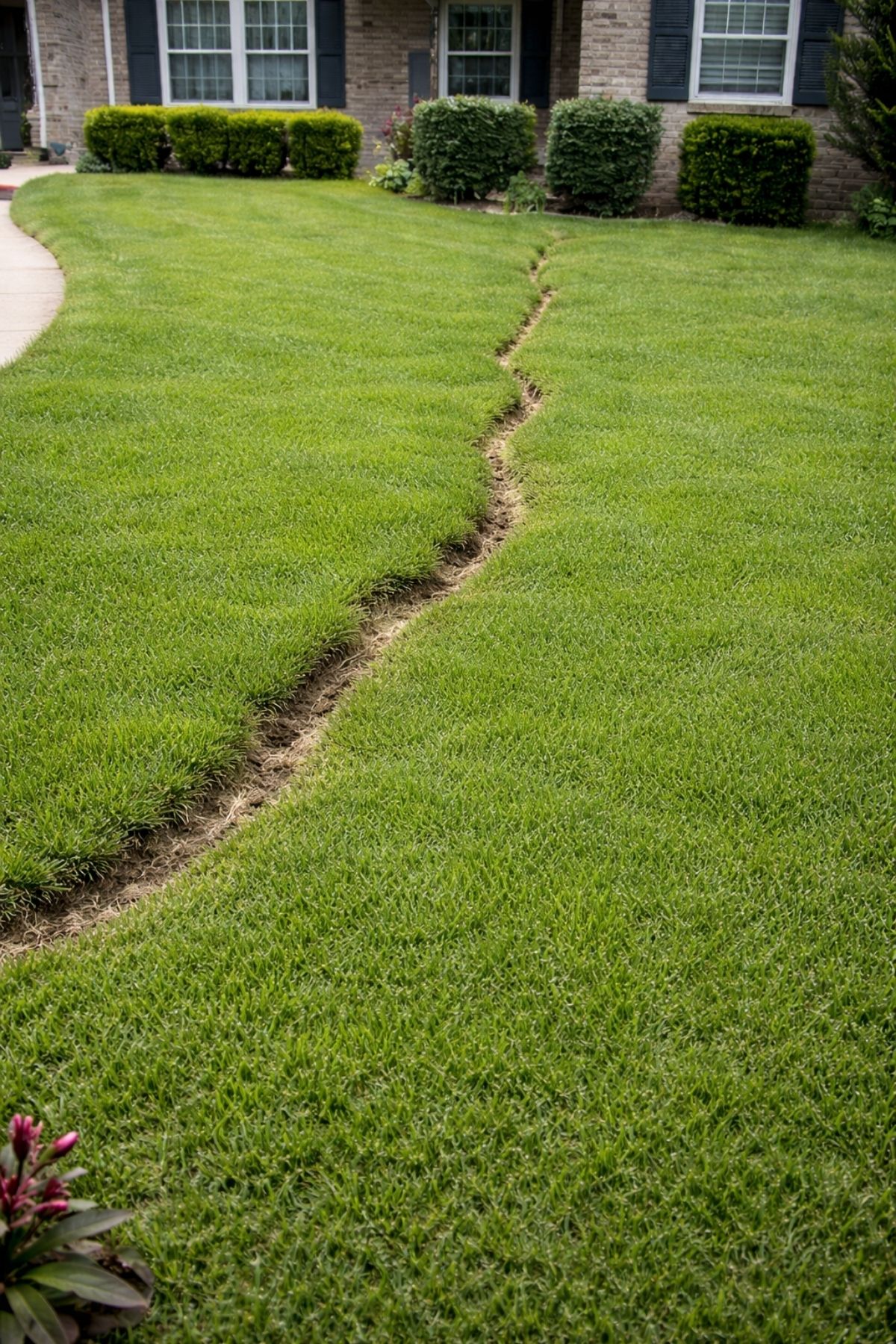
Moles and mole-rats undermine presentation and safety on lawns and pitches. Professional control targets active runs and reduces the conditions that draw them back—without poisons that risk pets or other wildlife.
Why Southern Peninsula clients choose Verminator for moles
We distinguish golden moles from mole-rats where signs allow, set traps on active runs, and advise on grubs and irrigation. That keeps treatment humane and appropriate for the species involved.
- False Bay & Atlantic-side peninsula coverage
- Humane trapping — no poisons
- Lawns, verges, coastal plots, club fields
- Species-aware (golden moles vs mole-rats)
- Links to city hub and identification guide
Moles activity in Southern Peninsula Cape Town right now
Mole activity remains moderate in autumn. Soil is still workable and prey available; good time for trapping or barrier work before colder, drier winter soil.
Activity level
Moderate
Most active now
Cape golden mole, Common mole
What to maintain now
- Continue to reduce grub and worm pressure; limit excess irrigation.
- If fresh molehills appear, book treatment before winter.
Southern Peninsula pest context
Our broad Pest Control Southern Peninsula page covers how moles fit alongside rodents, ants, and other pests in this corridor. Use it with this mole hub and Mole Control Cape Town for full coverage.
Mole control for Southern Peninsula properties
From estate lawns to school fields, we structure services around soil type, irrigation, and how the property is used.
False Bay coastal homes
Fish Hoek, Kalk Bay, and Muizenberg lawns often combine sea air, steady watering, and worm-rich soil—classic golden mole territory. We work discreetly on active runs.
Heritage villages and Simon's Town
Older plots and mixed gardens can show ridge damage after rain. We align trapping with boundaries and parking of naval and tourism adjacency where needed.
Atlantic-side and valley plots
Noordhoek and Kommetjie often have sandier soil and larger erfs—watch for mole-rat mounds as well as golden mole ridges. We confirm sign before choosing the service.
Why mole problems show up in Southern Peninsula
The peninsula mixes humid False Bay gardens, Atlantic-side sand, and mountain-edge run-off. Irrigated turf supports earthworms and grubs—prey for golden moles—while open sand suits Cape dune mole-rat activity.
Winter rain and summer irrigation often spike visible tunneling along fences, verges, and sports fields.
Our approach to mole control in Southern Peninsula
We distinguish golden mole runs from mole-rat mounds using ridge scale, soil context, and location, then set humane traps on active tunnels.
We avoid poisons that risk pets and wildlife. Where useful we discuss moisture and grub pressure so lawns are less attractive after control.
Why DIY mole control often fails
Home traps often miss active runs or are set incorrectly. Without reducing grubs or excess moisture, new animals can move in from neighbouring gardens.
Ready to restore your lawn? Call.
Spot ridges, molehills, or spongy turf? Address activity before it spreads across the lawn or pitch.
Signs you may need professional mole control
- Parallel ridges across lawn or playing field
- Fresh molehills along boundaries or retaining walls
- Spongy ground over shallow tunnels after rain
- Damage along vlei-edge or irrigated verges
- Larger sand mounds on Noordhoek or Kommetjie plots (possible mole-rat)
Identify before you control
Most lawn and garden call-outs in the Western Cape involve common golden moles or mole-rats that are not conservation priorities — but South Africa also has golden moles with higher IUCN threat status. Always confirm what you are dealing with and the legal context before lethal control. Our mole identification guide covers species clues and status — without pinning threatened populations to places on a map.
Common mole species in Southern Peninsula gardens
South Africa does not have European or American true moles (Talpidae). “Mole” damage here is usually golden moles (insect-eaters) or mole-rats (rodents). All four profiles below are IUCN Least Concern — the species most often involved in Cape Town lawns and gardens. If you are on fynbos, dunes, or unsure, check our identification guide before any lethal control.
Cape golden mole
Chrysochloridae · Least Concern
Small, blind, iridescent-furred insectivore. Tunnels after grubs, worms, and soil invertebrates. Leaves raised ridges and small molehills in moist, irrigated lawns and garden beds.
- Raised ridges or “runs” in lawn and garden
- Small molehills; soft soil near irrigation
- Superficial burrows; damage to turf and roots
- Year-round activity in Cape Town’s mild climate
The species you are most likely to mean by “mole” in Cape Town gardens. Humane trapping and deterrents; reduce grubs and excess irrigation where practical.
Hottentot golden mole
Chrysochloridae · Least Concern
The most widespread golden mole in South Africa. Similar signs to the Cape golden mole — long burrows, molehills, and surface runs — and also common in suburban gardens and sports fields.
- Molehills and ridges in lawns, farmland, and verges
- Widespread from coast to Highveld — overlaps with Cape golden mole in many suburbs
- Insectivore; peaks when soil is workable after rain or watering
Often interchangeable with Cape golden mole from damage signs alone; both are Least Concern. Professional assessment targets active runs correctly.
Cape dune mole-rat
Bathyergidae · Least Concern
Large solitary rodent (not a golden mole). Digs with claws; herbivore. Pushes up big molehills and ridges in sandy coastal soil — common from the West Coast through to sandy Cape suburbs.
- Large molehills and pronounced ridges on sandy lawns and fields
- Damage to irrigation lines and buried cables reported
- Solitary; one animal per burrow system in many cases
Main mole-rat “mole” pest on sandy Cape coastal strips. Humane trapping and exclusion; different biology from golden moles.
Common mole-rat
Bathyergidae · Least Concern
Colonial rodent; herbivore. Molehills and tunnel systems in gardens, pasture, and crop edges. Widespread in the Western Cape and beyond.
- Colonial activity — multiple hills or a “town” of mounds
- Pasture, gardens, and areas with bulbs or roots
- Often confused with Cape dune mole-rat (smaller; different social system and range)
Control may need colony-focused strategies. We assess whether signs fit common mole-rat vs solitary Cape dune mole-rat.
Mole control and prevention
Learn more about mole behaviour, damage signs, and control options in the Western Cape.
Mole control and preventionTrapping, deterrents, and habitat tweaks
We use humane trapping on active runs and can combine deterrents with advice on grubs and irrigation. We do not use poisons that risk pets or non-target wildlife.
Trapping
Correct placement on active runs improves catch rates; we explain timelines when we quote.
Deterrents & food source
Reducing grubs and tuning irrigation makes lawns less attractive alongside trapping.
Southern Peninsula areas we cover
Suburbs listed here align with our regional coverage for Southern Peninsula. Book with your address to confirm service. Broad area intel: Pest Control Southern Peninsula.
Key areas
Muizenberg, Fish Hoek, Simon's Town, Noordhoek, Kommetjie, Kalk Bay
Suburb-level mole pages: Mole Control Fish Hoek (flagship), plus Simon's Town, Muizenberg, Kalk Bay, Noordhoek, and Kommetjie. Use related links at the bottom of this page for siblings and the city hub.
Explore more mole and pest resources
City hub, identification guide, related pest services, and graph-derived links for this region.
