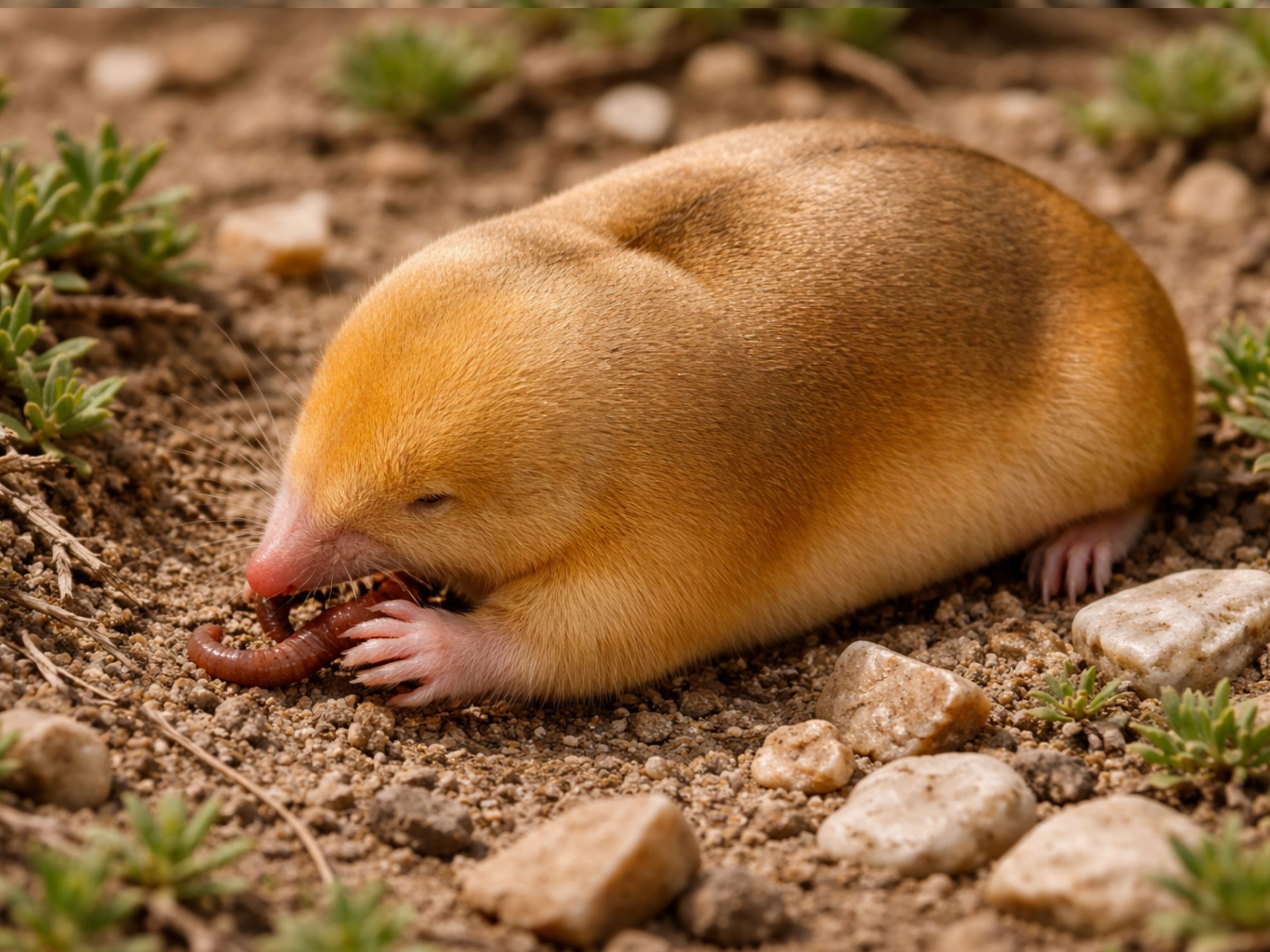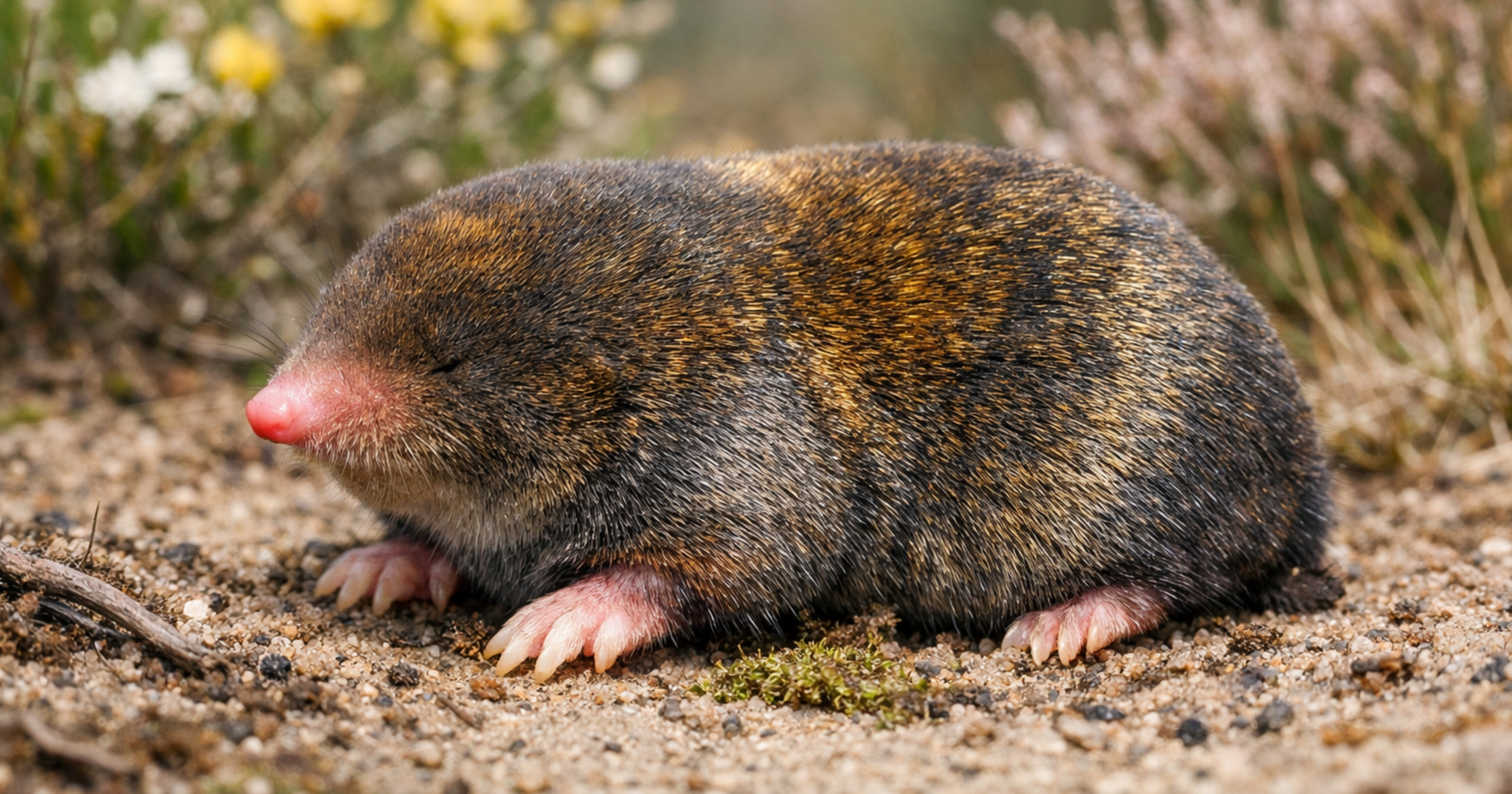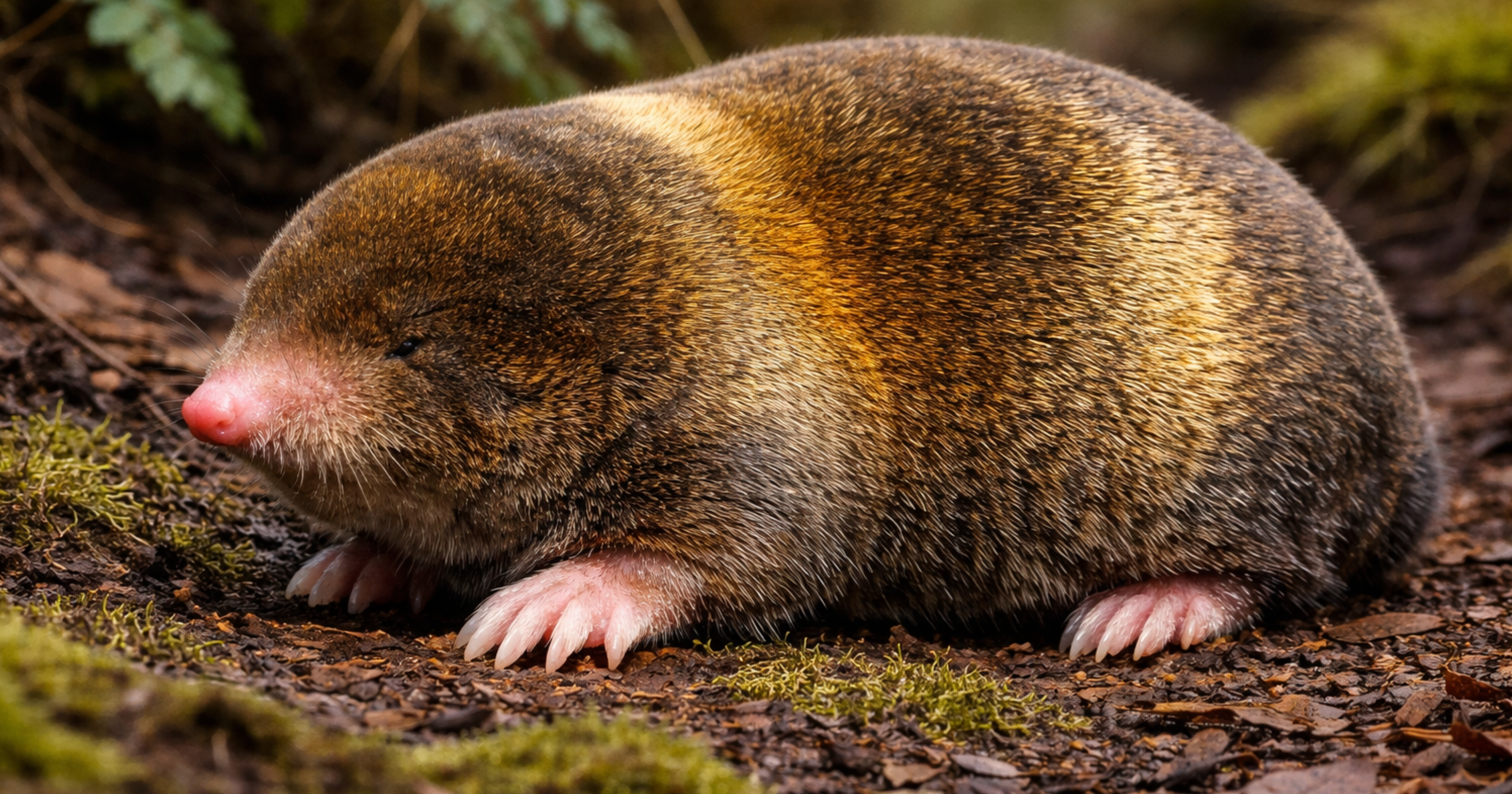

Cape Golden Mole
Chrysochloris asiatica
Conservation: Least Concern (IUCN)
Appearance
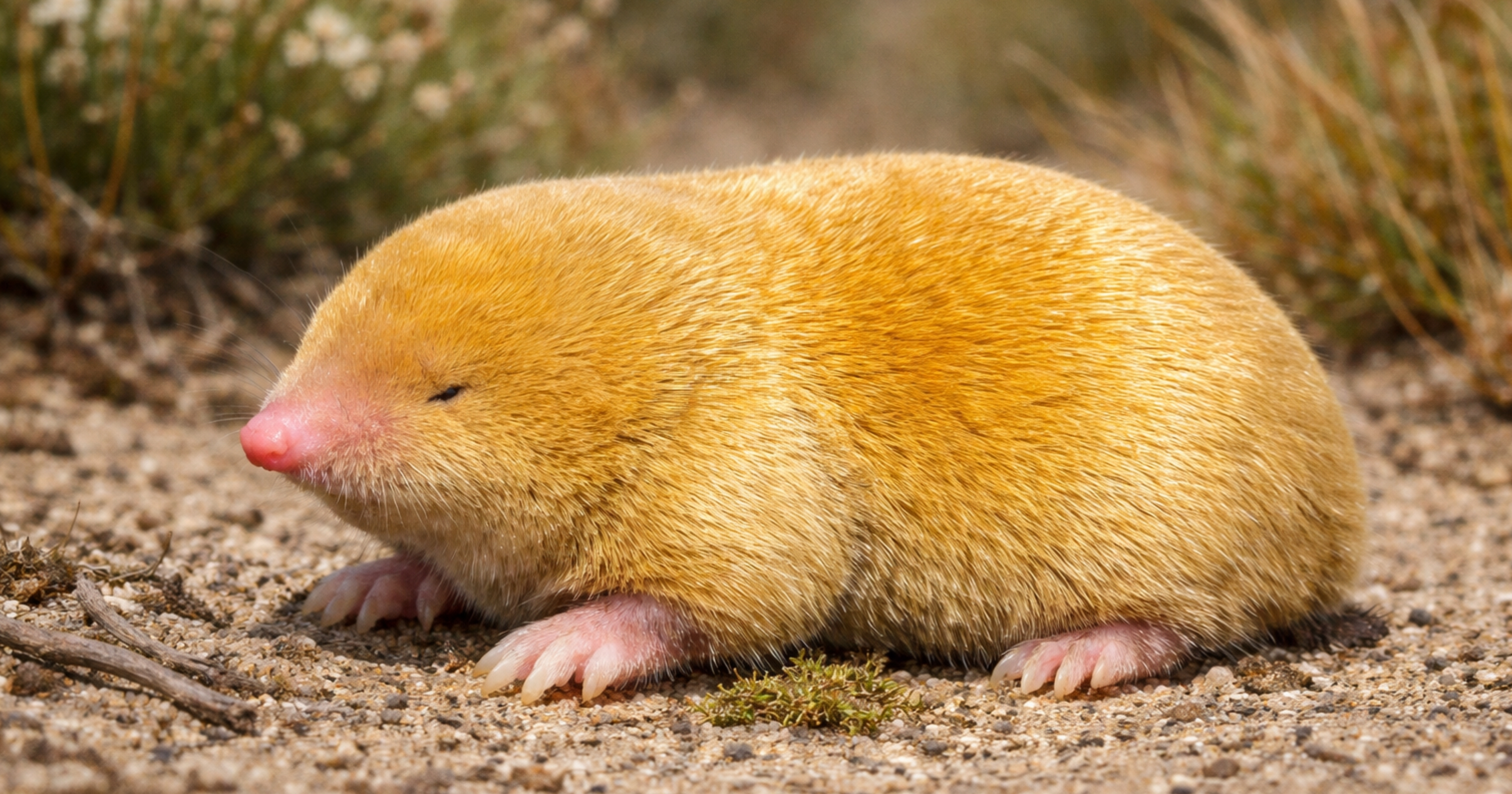
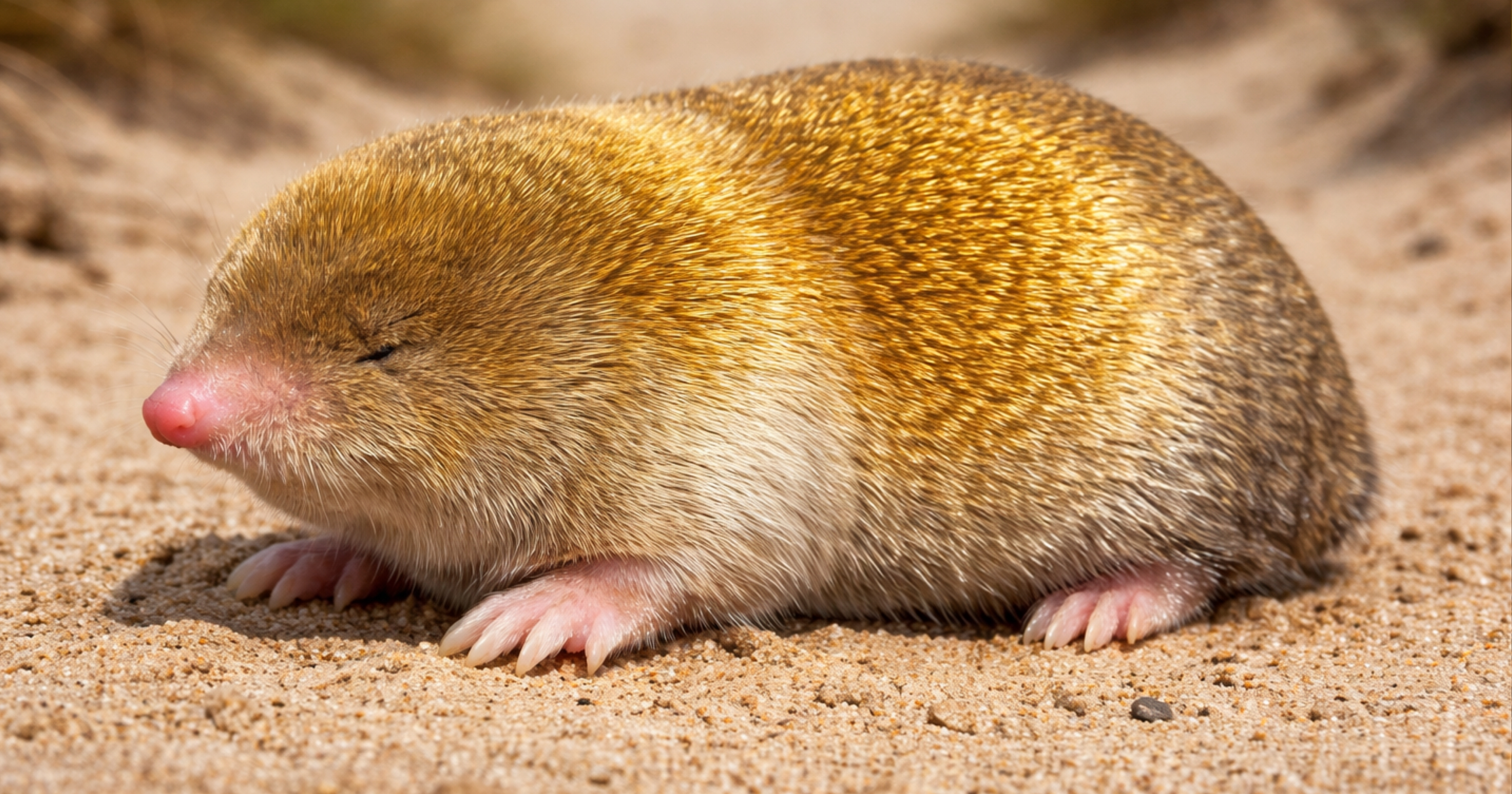
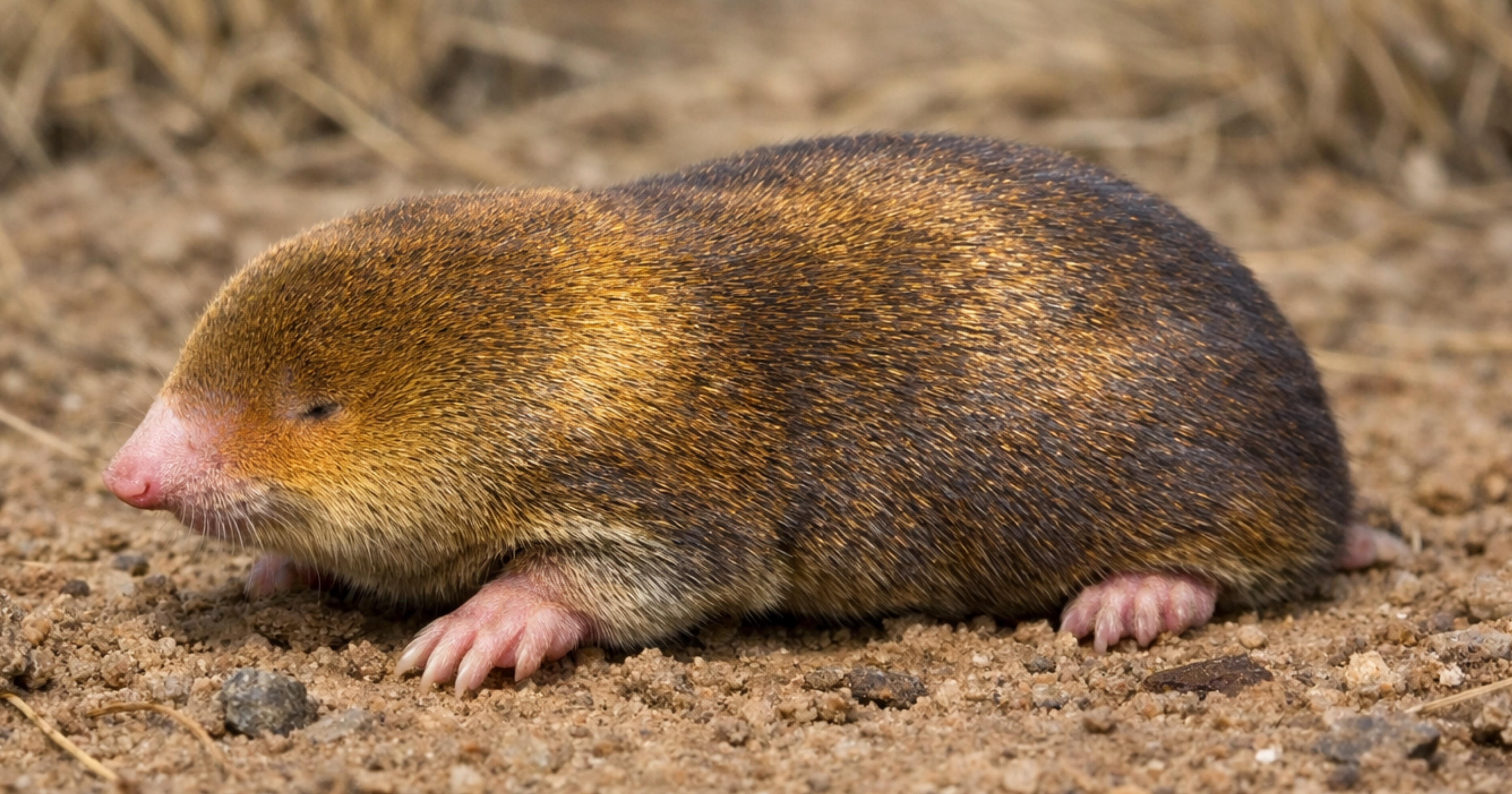
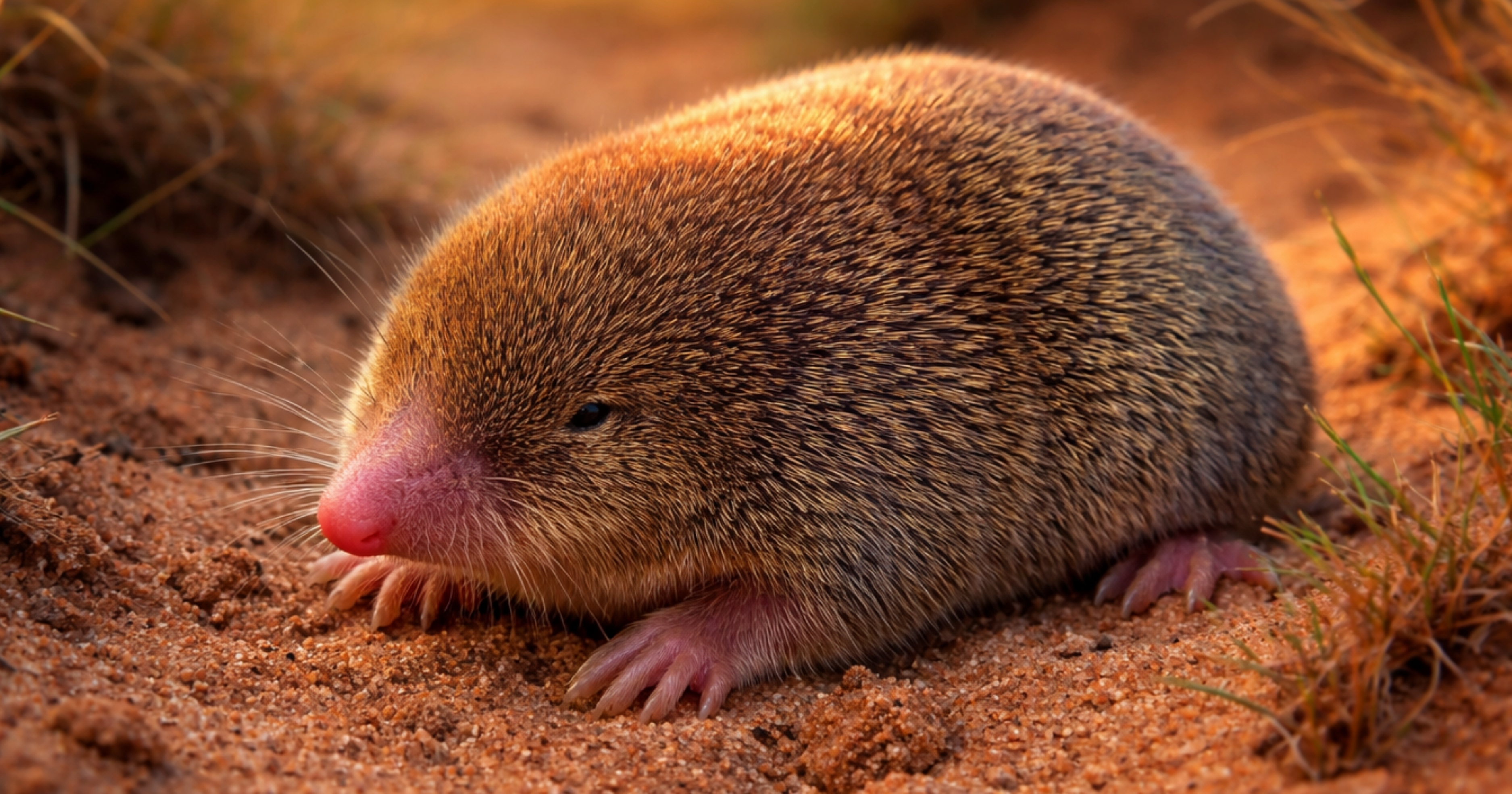
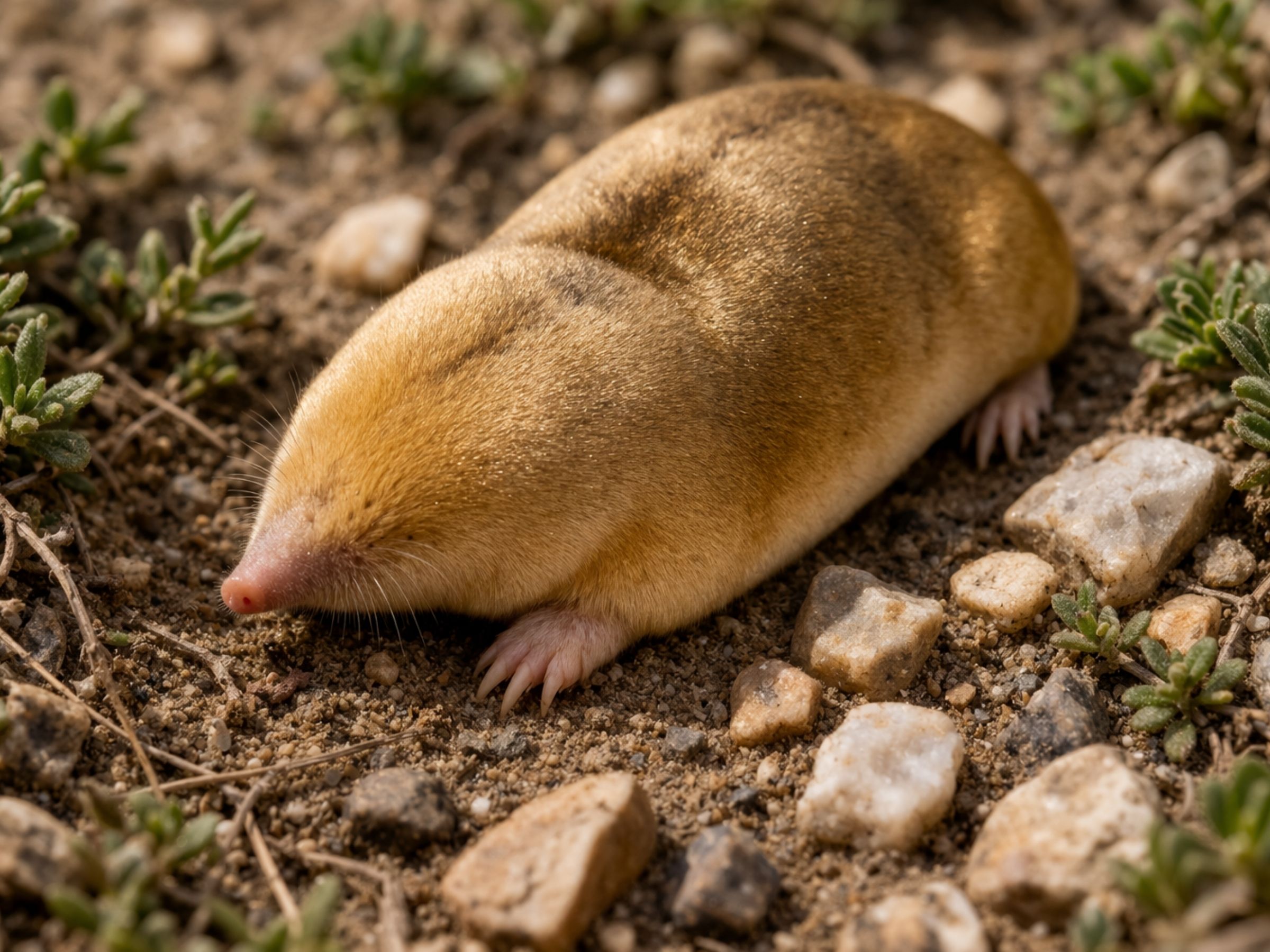
- Small, solitary, insectivorous; dense soft fur with iridescent sheen
- Colour: blackish to slaty-grey, brown to pale fawn
- No visible external eyes; tiny ear openings; leathery rhinarium over nostrils
- Powerful forefeet with large pick-like third claw; no external tail
Commonly found
Behaviour
Solitary. Forages for soil invertebrates and small lizards; excavates superficial burrows with conical nose shield and modified forefeet. Adapted to mildly transformed habitats; common in gardens and coastal regions. Does not need to drink; can enter torpor in cold weather. The species you are most likely to encounter as a "mole" in Cape gardens and lawns.
Why you may be seeing them
Molehills, raised ridges, or disturbed soil in lawns and beds. Often noticed when mowing or gardening. Coastal and sandy areas; also vineyards and pasture. Not threatened — responsible control or deterrents are acceptable where they cause damage.
Often confused with
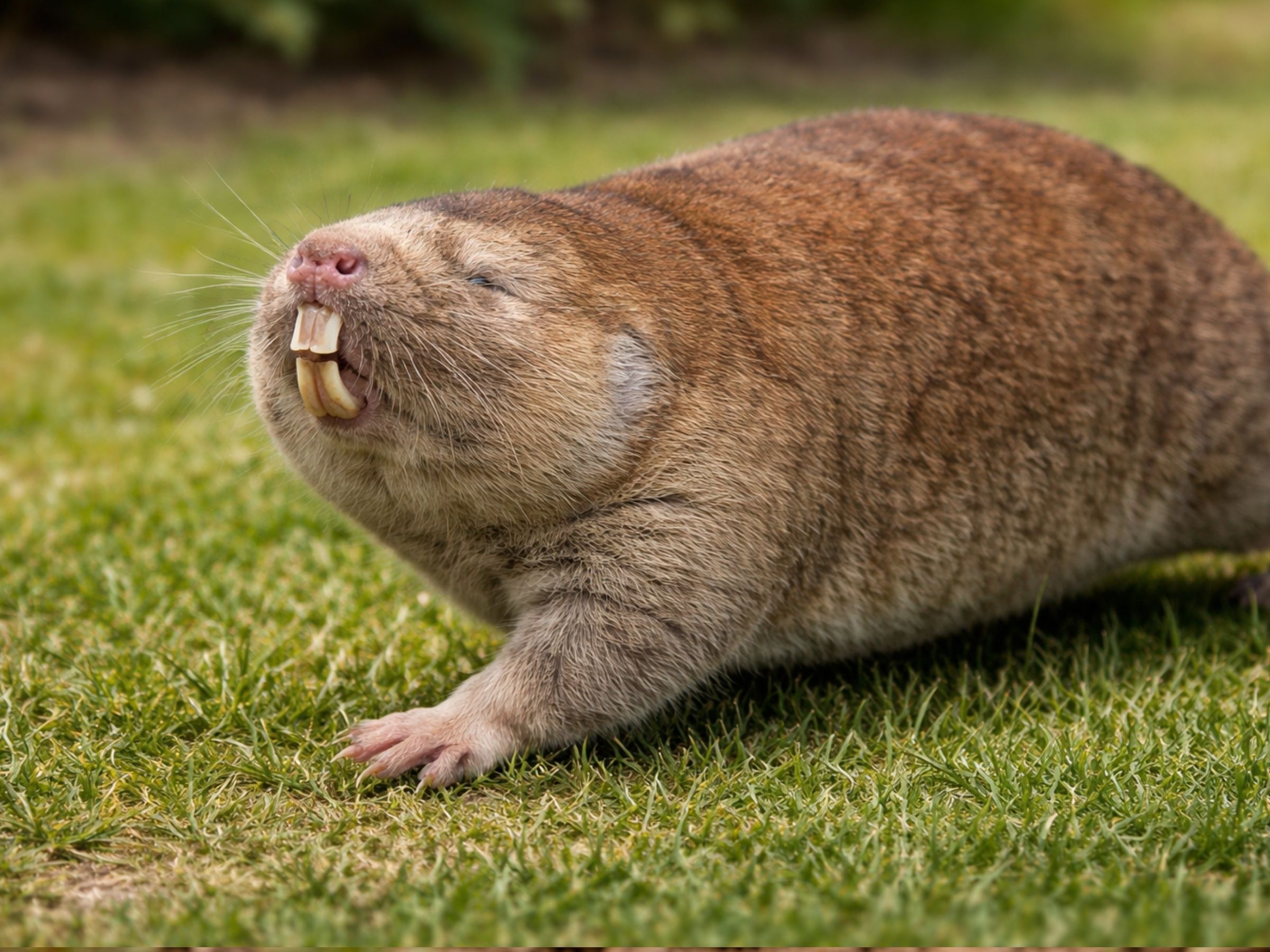
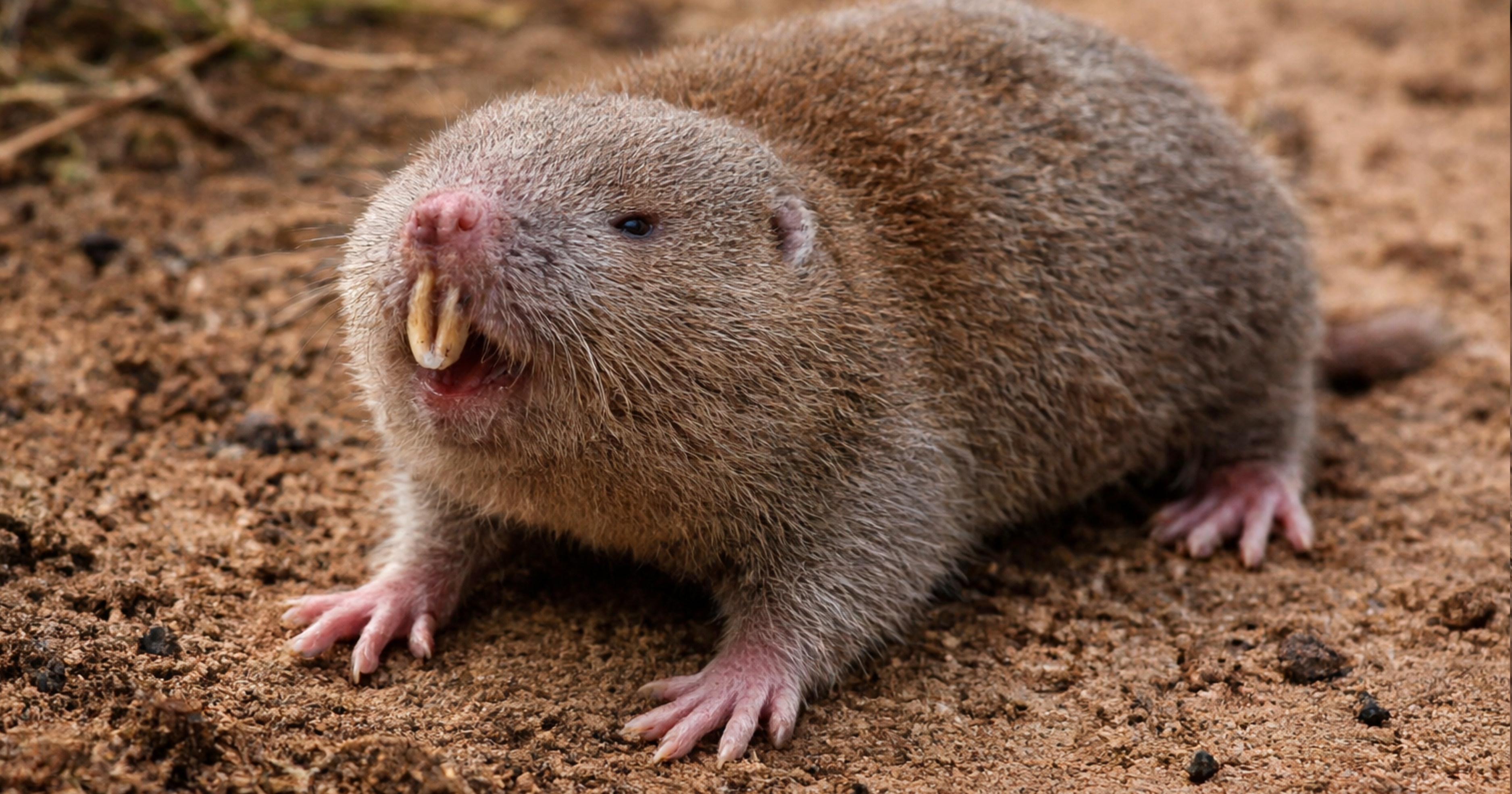
Hottentot golden mole (wider distribution; similar size; reddish-brown) · Cape dune mole-rat (much larger; rodent; herbivore; cinnamon-brown)
When to get help
Repeated damage to lawns, sports fields, or gardens; tunnels undermining paving or structures. Professional mole control can use humane deterrents and exclusion; no conservation restriction for this species.
Widespread and common. Listed Least Concern globally. Property-relevant control is acceptable; avoid methods that harm non-target species.