
Flagship suburb page · West Coast
Mole Control Table View
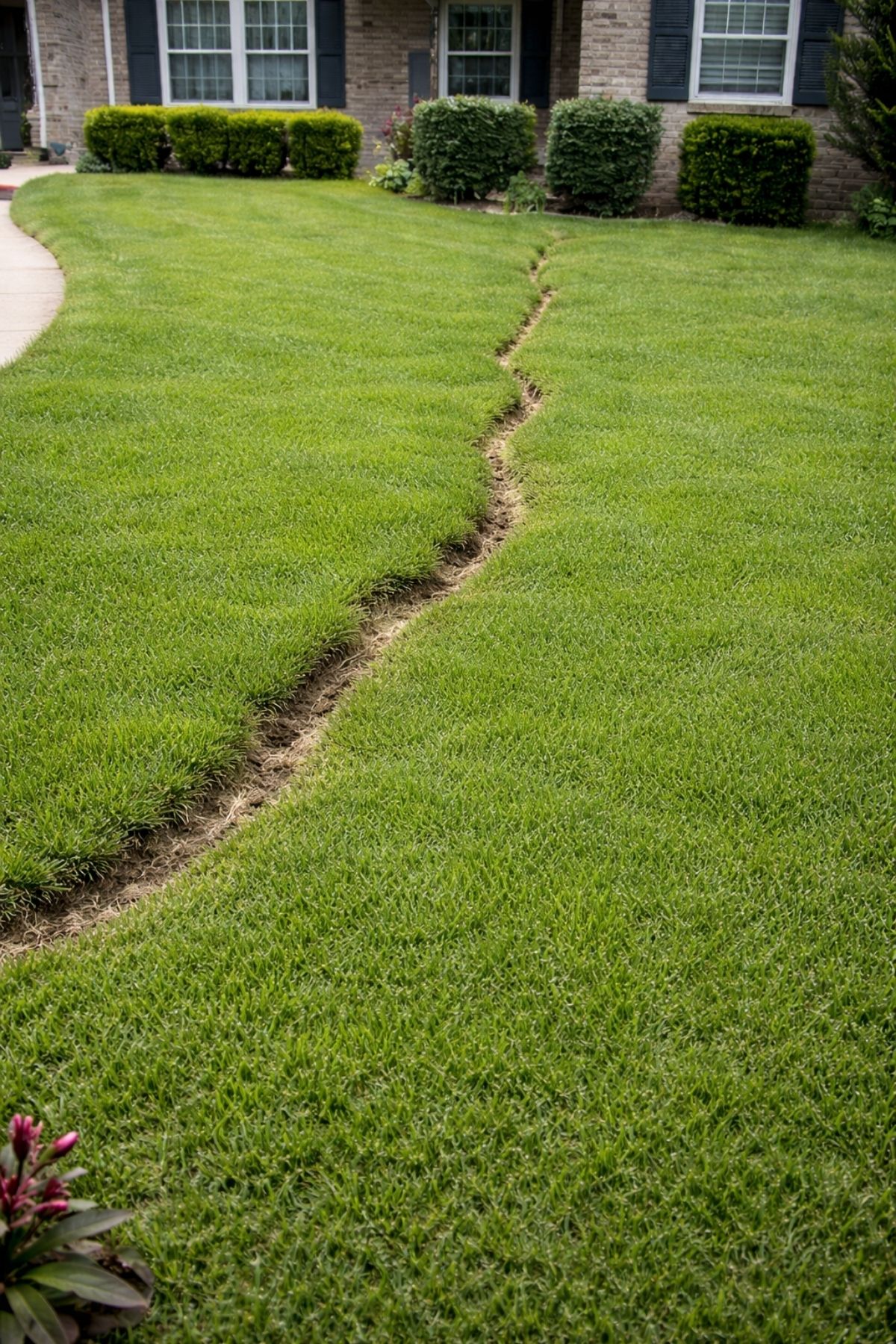
Table View’s irrigated estates, canal-adjacent lawns, and lagoon-edge verges support worm-rich soil—classic golden mole ridges; sandier pockets can show mole-rat mounds. Flagship for Mole Control West Coast; humane traps on active runs.
Also see: Mole Control West Coast is the regional hub; Mole Control Cape Town covers the wider metro. Pest control West Coast lists all pests for the area. Mole identification guide.
- Blouberg–Table View corridor
- Humane trapping — no poisons
- Estates, townhouses, canal-edge lawns
- Species-aware (golden moles vs mole-rats)
- Links to city hub and identification guide
Service assurance
Mole treatments: published guarantee terms
Standard agreed mole programme: six months written guarantee from completion on the quoted lawn and garden footprint when sold as such. Certified fumigation, when separately quoted, follows separate safety and paperwork. See guarantee page for prey, neighbour, and access limits.
Your written quote and agreement are always the contract.
Moles activity in Table View, West Coast Cape Town right now
Mole activity can persist in winter where soil stays moist and unfrozen. Cape Town’s wet winter often keeps moles active in irrigated or low-lying areas.
Activity level
Moderate
Most active now
Cape golden mole, Common mole
What to maintain now
- In wet winter areas, moles can stay active where soil stays soft.
- Reduce standing water and over-irrigation; book treatment if activity continues.
Local mole pressure in Table View
Irrigated lawns and garden soils in Table View support worms and grubs — food for golden moles — while sandier pockets may suit mole-rats. We target active runs with humane trapping and advise on moisture and grub management where helpful.
Identify before you control
Most lawn and garden call-outs in the Western Cape involve common golden moles or mole-rats that are not conservation priorities — but South Africa also has golden moles with higher IUCN threat status. Always confirm what you are dealing with and the legal context before lethal control. Our mole identification guide covers species clues and status — without pinning threatened populations to places on a map.
Common mole species in Table View
South Africa does not have European or American true moles (Talpidae). “Mole” damage here is usually golden moles (insect-eaters) or mole-rats (rodents). All four profiles below are IUCN Least Concern — the species most often involved in Cape Town lawns and gardens. If you are on fynbos, dunes, or unsure, check our identification guide before any lethal control.
Cape golden mole
Chrysochloridae · Least Concern
Small, blind, iridescent-furred insectivore. Tunnels after grubs, worms, and soil invertebrates. Leaves raised ridges and small molehills in moist, irrigated lawns and garden beds.
- Raised ridges or “runs” in lawn and garden
- Small molehills; soft soil near irrigation
- Superficial burrows; damage to turf and roots
- Year-round activity in Cape Town’s mild climate
The species you are most likely to mean by “mole” in Cape Town gardens. Humane trapping and deterrents; reduce grubs and excess irrigation where practical.
Hottentot golden mole
Chrysochloridae · Least Concern
The most widespread golden mole in South Africa. Similar signs to the Cape golden mole — long burrows, molehills, and surface runs — and also common in suburban gardens and sports fields.
- Molehills and ridges in lawns, farmland, and verges
- Widespread from coast to Highveld — overlaps with Cape golden mole in many suburbs
- Insectivore; peaks when soil is workable after rain or watering
Often interchangeable with Cape golden mole from damage signs alone; both are Least Concern. Professional assessment targets active runs correctly.
Cape dune mole-rat
Bathyergidae · Least Concern
Large solitary rodent (not a golden mole). Digs with claws; herbivore. Pushes up big molehills and ridges in sandy coastal soil — common from the West Coast through to sandy Cape suburbs.
- Large molehills and pronounced ridges on sandy lawns and fields
- Damage to irrigation lines and buried cables reported
- Solitary; one animal per burrow system in many cases
Main mole-rat “mole” pest on sandy Cape coastal strips. Humane trapping and exclusion; different biology from golden moles.
Common mole-rat
Bathyergidae · Least Concern
Colonial rodent; herbivore. Molehills and tunnel systems in gardens, pasture, and crop edges. Widespread in the Western Cape and beyond.
- Colonial activity — multiple hills or a “town” of mounds
- Pasture, gardens, and areas with bulbs or roots
- Often confused with Cape dune mole-rat (smaller; different social system and range)
Control may need colony-focused strategies. We assess whether signs fit common mole-rat vs solitary Cape dune mole-rat.
Mole control and prevention
Learn more about mole behaviour, damage signs, and control options in the Western Cape.
Mole control and preventionFAQ — Table View
Mole resources & related services
Explore more
Book mole control in Table View
Tell us your Table View address and what you are seeing — we align humane trapping and follow-up with the West Coast mole service.