Ant Control South Coast
Our flagship ant page for South Coast is Scottburgh; Our flagship ant control page for the South Coast is Scottburgh; we also cover Pennington, Port Shepstone, Port Edward, Mtwalume, Hibberdene and Umzumbe along the coastal belt. No vacating, no odour, 6-month guarantee.
This page is the regional hub for South Coast ant control, linking our flagship suburb page and every dedicated suburb page in this cluster.
We treat colonies and entry points—not only visible foragers.
No vacating · No odour · South Coast

Book ant control on the South Coast
engineered to eliminate™—Tell us your suburb or address (Scottburgh, Pennington, Port Shepstone, Port Edward, Mtwalume, Hibberdene, Umzumbe, etc.) and where the ant activity is showing up. We will help direct you to the right next step.
- Select your suburb (Scottburgh, Pennington, Port Shepstone, Port Edward, Mtwalume, Hibberdene, Umzumbe, etc.)
- Choose residential or commercial
- Tell us where you are seeing ants
- Let us know whether the problem is indoor, outdoor, or both
- Choose quote, booking, or WhatsApp
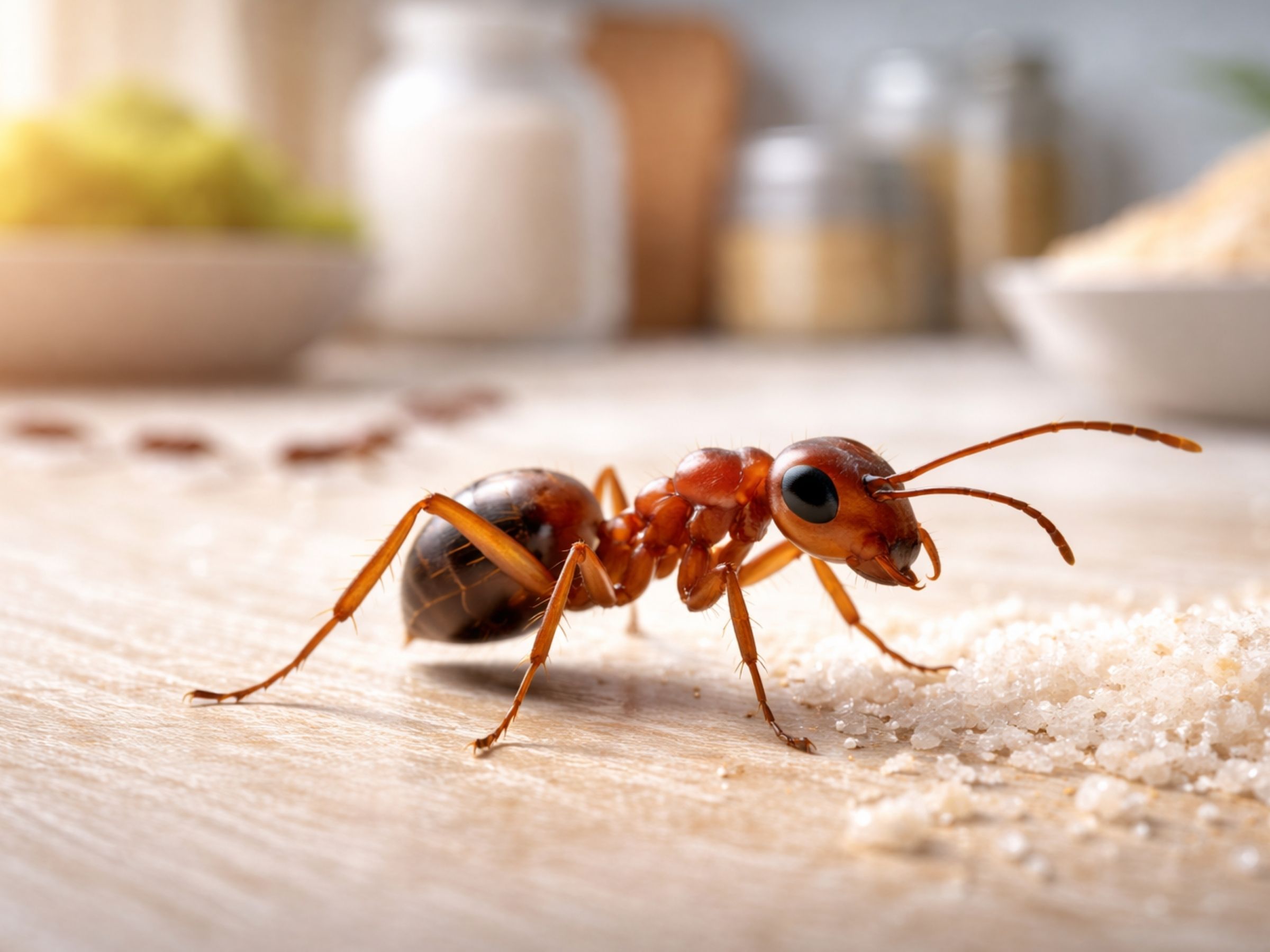
Protecting your property from recurring ant pressure
Ants can affect much more than convenience. On the South Coast—from family homes in Scottburgh and Pennington to holiday houses and small commercial premises—proper ant control helps protect daily functioning, presentation, and value.
Why South Coast clients choose Verminator for ant control
Ant control is easy to underestimate. Repeated ant activity usually points to a pattern inside the property, around the structure, or in the surrounding environment that needs a more deliberate solution. South Coast clients choose us because we focus on practical next steps—the activity, the property, the pressure points—so the response is based on what is actually happening.
- Ant control for South Coast homes and businesses
- Indoor and outdoor activity patterns considered
- Fast quote and booking options
- Flagship (Scottburgh) and dedicated suburb coverage
- Property-focused approach
Local proof: South Coast
What local clients say about our ant service.
“Ants were trailing from the garden into the kitchen. They found the colony and treated it properly. No recurrence.”
“Holiday home in Pennington; ants from the patio into the scullery. Two visits, colony treated. Discreet and effective.”
ants activity in South Coast right now
Ant activity remains moderate as temperatures cool. Some species reduce outdoor foraging; others shift indoors. Good time to eliminate colonies before they concentrate inside.
Activity level
Moderate
Most active now
Argentine ants, Black house ants, Pharaoh ants
Less active this season
Big-headed ants (often reducing outdoors), Fire ants
What to maintain now
- Continue sealing gaps; cooler nights can push ants indoors.
- Keep kitchen and pantry sealed; reduce pet food left out overnight.
- Clear garden debris and trim vegetation away from walls.
- If trails persist, treat before winter so nests are not established indoors.
Area brief — Port Shepstone (ant)
Operations and partner context — same regional source data as broad pest control. Machine-readable JSON embedded for tools (schema v1).
Regional snapshot
Regional reference and pest control for Port Shepstone and the immediate coastal belt: Port Shepstone, Umtentweni, Sea Park, Oslo Beach, Southport, Sunwich Port. KZN South Coast coastal and lifestyle belt.
Service line
Pest control for Port Shepstone: Umtentweni, Sea Park, Oslo Beach, Southport, Sunwich Port and surrounds. KZN South Coast. Rodent, ant, cockroach and termite control.
Ant angle (regional pest matrix)
Coastal humidity and summer rainfall drive ant activity across the Port Shepstone belt. We treat nests and entry points and advise on proofing.
- Kitchens
- Pantries
- Paved areas
- Garden edges
- Driveways
- Pool surrounds
Local drivers (pest behaviour)
- KZN coastal humidity and summer rainfall trigger ant and cockroach activity; we tailor treatment to coastal conditions.
- Older coastal homes can have sub-floor voids that support cockroaches; gel bait and perimeter treatment reduce harbourage.
Suburb callouts (sample)
Port Shepstone
Main hub for the region. We serve Port Shepstone with rodent, ant and cockroach control tailored to coastal and family living. Same guarantees and response times.
Umtentweni, Sea Park, Oslo Beach, Southport, Sunwich Port
Immediate coastal strip. We cover these suburbs with the same Durban and KZN expertise. Coastal and lifestyle belt with the same pest control and proofing approach.
Area coverage (sample)
- Port Shepstone
- Umtentweni
- Sea Park
- Oslo Beach
- Southport
- Sunwich Port
Full all-pests regional page: Pest control Port Shepstone
Ant control for South Coast homes and businesses
We help South Coast property owners deal with recurring ant activity in both indoor and outdoor environments—from Scottburgh and Pennington to Mtwalume, Hibberdene, and Umzumbe.
Homes
Ants in kitchens, gardens, paving, and living spaces across the South Coast—from Scottburgh and Pennington to Mtwalume, Hibberdene, and Umzumbe. We target the colony and entry points so the fix holds.
Estates and security villages
Estates and lifestyle villages on the South Coast need reliable ant control. We work with premises to keep kitchens, common areas, and perimeters under control.
Commercial and body corporates
From Scottburgh and Pennington to Umzumbe, we provide ant control that fits body corporate and commercial requirements, including common areas and perimeter treatment.
Why ant problems are so common on the South Coast
Ant problems on the South Coast are often driven by coastal humidity, summer rainfall, gardens, paving, and easy access routes. Once ants find a reliable food or water source, they can create repeat trails through kitchens, bathrooms, patios, and gardens. The real difficulty is often the nesting pressure behind the visible activity—so ant control has to address the pattern, access points, and likely source.
Our approach to ant control on the South Coast
Good ant control starts with understanding where the activity is happening, how the ants are moving, and where the likely nesting pressure is coming from. Our approach is built around practical inspection, identifying harbourage and access points, treating the right areas, and helping reduce the conditions that allow ants to keep returning. The aim is lasting control, not a temporary pause.
Our ant control service
Our ant control is colony-focused: we identify the species and activity pattern, locate harbourage and entry points, and use baits and targeted treatment so the fix lasts.
- No vacating or unpacking
- 6‑month guarantee on treatment
- Species-specific approach
- Follow-up included where needed
Why ants keep coming back after DIY treatment
Store-bought sprays and powders kill foragers but rarely reach the queen. Colonies rebound within days from surviving brood. Professional colony-focused treatment targets the source.
Ready to stop the colony? Call.
Signs you may need professional ant control
- Ant trails in kitchens or along skirting in South Coast homes
- Ants near sinks, food cupboards, or bathrooms
- Activity in gardens, paving, or irrigation
- Ants at window frames or from shared walls in complexes
- Recurring ants after DIY sprays
- Ants in multiple rooms or from neighbouring properties
- Trails from garden or paving into the house
Common ant species and behaviour in Cape Town
In Cape Town and the Western Cape, a few ant species account for most call-outs. Knowing what you’re likely dealing with helps us target the colony and reduce repeat activity. Here are the species we see most often and the clues that point to them.
Argentine ants
Linepithema humile
Small light to dark brown ants (about 2–3 mm) that form massive colonies with multiple queens. They move in distinct trails and are among the most widespread ants in South Africa. In the Western Cape they have invaded much of the coastal belt and are often the dominant house ant—residents frequently report rivers of little brown ants in summer.
- Distinct trails to food and water
- Tiny cracks used as entry points
- Strong in numbers; persists after surface spray
- Often peaks in warmer months
Cape Town and the coastal belt are classic Argentine ant territory. Colony elimination with baiting is essential.
Black house ant / Black garden ant
Ochetellus glaber, Lasius niger
The classic tiny shiny black ant in kitchens and gardens, about 2.5–3 mm long. They forage in long trails to anything sweet and often nest in wall cavities, under paving, or outdoors. Killing foragers alone is rarely enough—the colony keeps sending more.
- Shiny black ants in trails
- Drawn to sugar, spills, and pet food
- Nests in walls, paving, or garden
- Activity returns quickly after DIY spray
Found across Cape Town suburbs. Sweet baits and perimeter treatment are highly effective when the nest is targeted.
Pharaoh ants
Monomorium pharaonis
Very small (about 2 mm), yellowish or light brown, almost translucent. They thrive in warm, humid spots and nest in wall voids, behind cabinets, and in hidden spaces. Colonies have multiple queens and can “bud”—split into new colonies if threatened by spray—so baiting is critical.
- Tiny yellow or pale ants in faint trails
- Often near sinks, baseboards, or pet bowls
- Indoor-focused; rarely seen outside in cold months
- Spraying can worsen by causing colony to split
Common in Cape Town homes and apartments year-round. Indoor baiting is the right approach; we avoid sprays that trigger budding.
Big-headed ant (Coastal brown ant)
Pheidole megacephala
Two worker sizes: smaller minors (2–3 mm) and larger majors with big heads (4–5 mm). Colour ranges from yellow-brown to reddish-brown. They build loose sandy mounds at nest entrances and can out-compete other ants. They nest in soil, under paving, and sometimes indoors in wall cracks or potted plants.
- Small brown ants with some larger “soldier” types
- Sandy soil piles or mounds at nest openings
- Aggressive foragers in kitchens and bathrooms
- Can displace Argentine ants in some areas
Seen in some Cape Town suburbs and coastal spots. Protein and sugar baits plus perimeter treatment work best.
Fire ants
Solenopsis species
Reddish-brown ants that build noticeable mounds in soil or lawn and deliver a painful sting when disturbed. They forage for food and can enter homes. Less common in the Western Cape than in warmer, drier regions, but they do occur in suitable microclimates.
- Mounds in lawn or garden that erupt when disturbed
- Painful sting; aggressive when nest is threatened
- Reddish-brown colour; 2–6 mm
- More often in northern/eastern SA; occasional in Cape Town
If you have stinging ants and visible mounds, we treat the nest directly and use baits for lasting control.
Identify the ants in your property
Compare common Cape Town ant types, behaviour clues, and likely activity patterns.
Identify the ants in your propertyOur ant baits are matched to species and climate
We select and place baits according to the actual ant species on your property and local conditions—including the South Coast’s humid coastal climate and whether the activity is mainly indoors or outdoors. That way the bait is attractive to the ants you have and effective in your environment.
Ant control across the South Coast
Our flagship page is Scottburgh; dedicated pages cover the rest of this cluster. This page is the regional hub.
South Coast cluster
Scottburgh (Flagship page), Hibberdene (Dedicated page), Mtwalume (Dedicated page), Pennington (Dedicated page), Port Edward (Dedicated page), Port Shepstone (Dedicated page), Umzumbe (Dedicated page)
Ant resources
- Ant Control Scottburgh (flagship)
Flagship ant page for the South Coast area.
- Ant Control South Coast
Regional hub for South Coast ant control.
- Ant Control Hibberdene
Dedicated ant page for Hibberdene.
- Ant Control Mtwalume
Dedicated ant page for Mtwalume.
- Ant Control Pennington
Dedicated ant page for Pennington.
- Ant Control Port Edward
Dedicated ant page for Port Edward.
- Ant Control Port Shepstone
Dedicated ant page for Port Shepstone.
- Ant Control Umzumbe
Dedicated ant page for Umzumbe.
Ant identification and resources
Identify species and learn how we treat ants so the fix lasts. Use the guides below, then book or WhatsApp for a quote.
Ant identification guide
Identify common Cape species—sugar ants, pavement ants, carpenter ants—and understand behaviour so we can target the colony correctly.
Ants — full service & how we treat
Our colony-focused approach: inspection, harbourage and entry points, baits and targeted treatment. We match treatment to species and property. No vacating, 6‑month guarantee.
Explore more pest control services
Related services and area intelligence.
