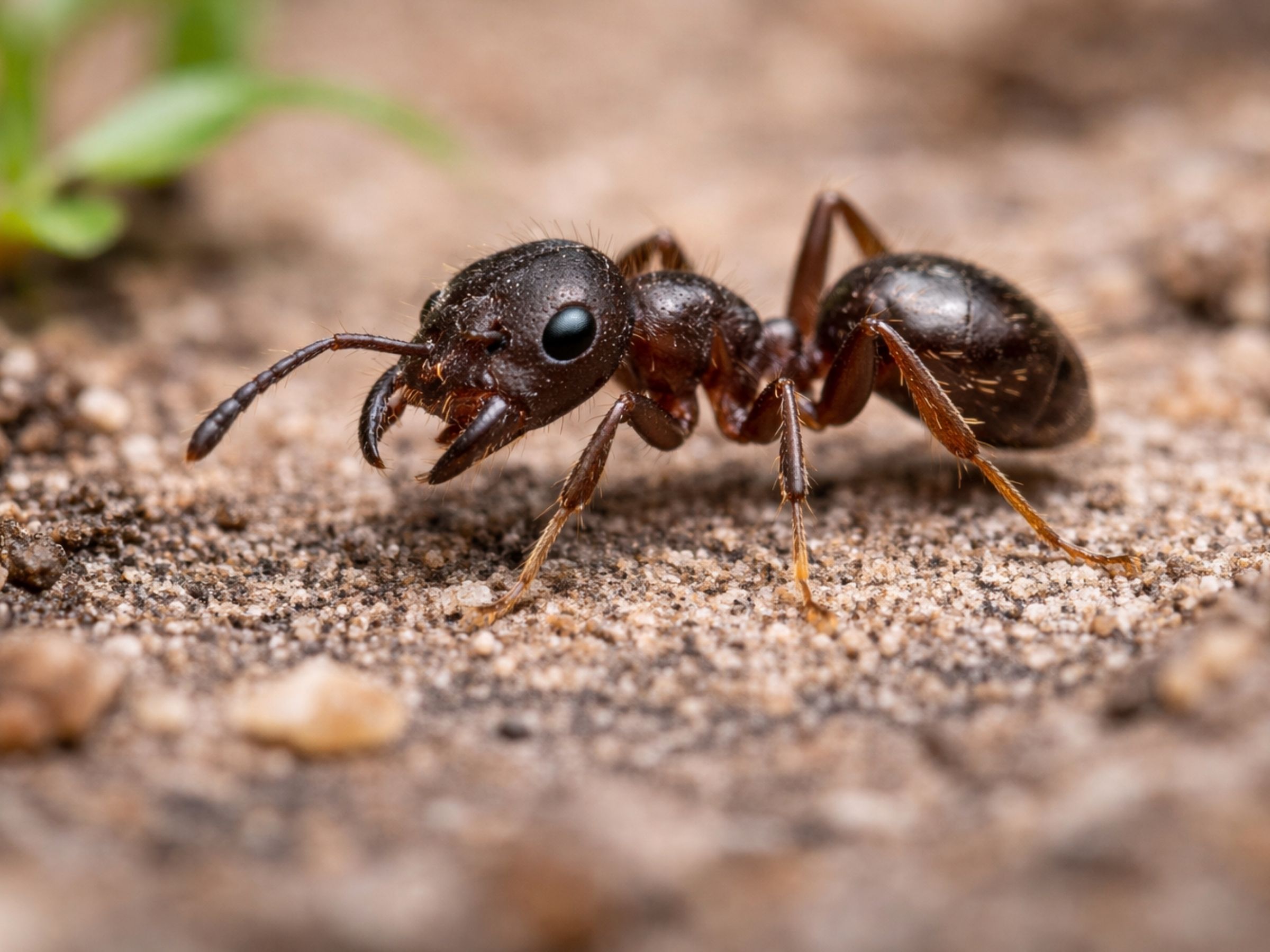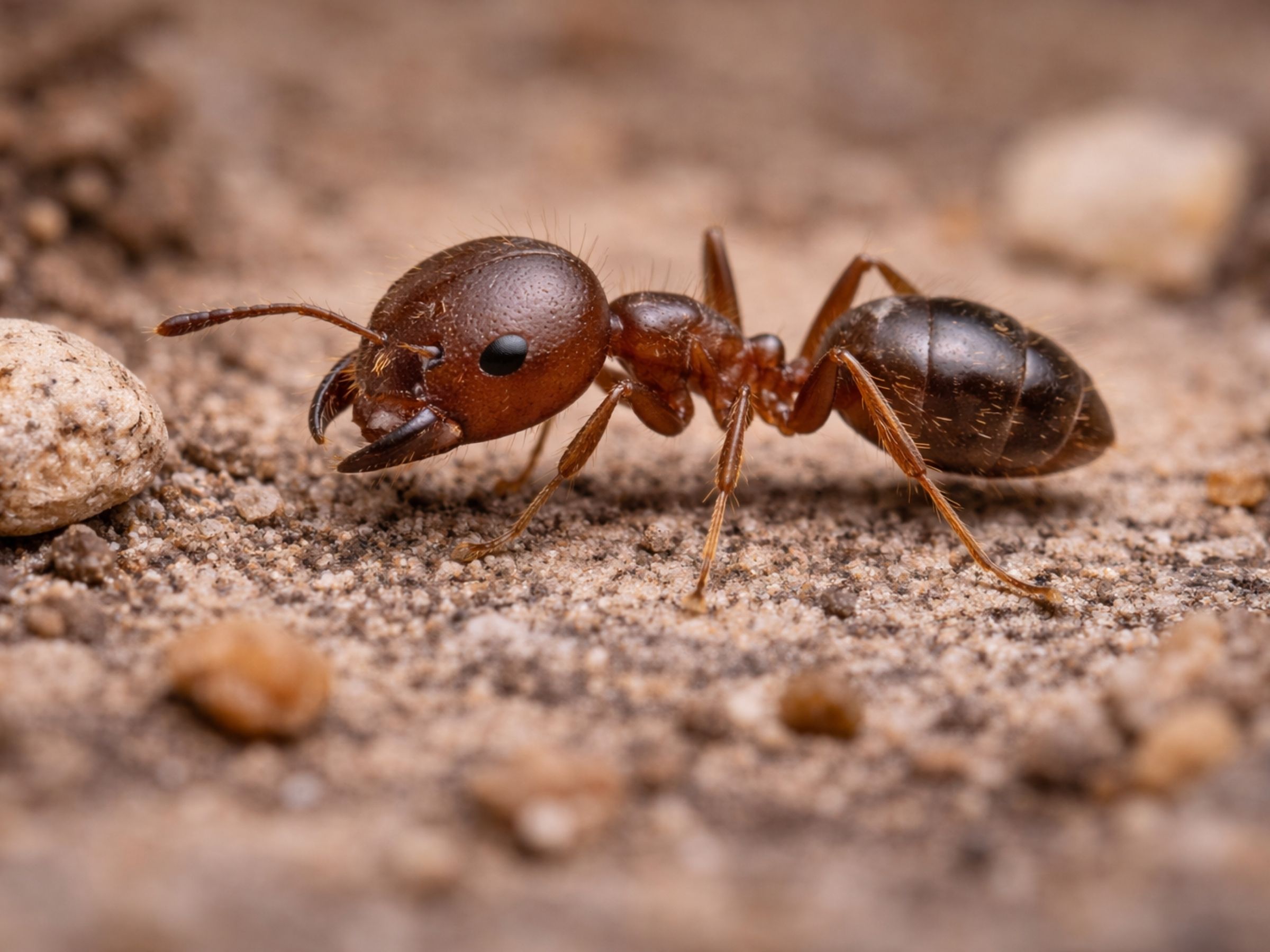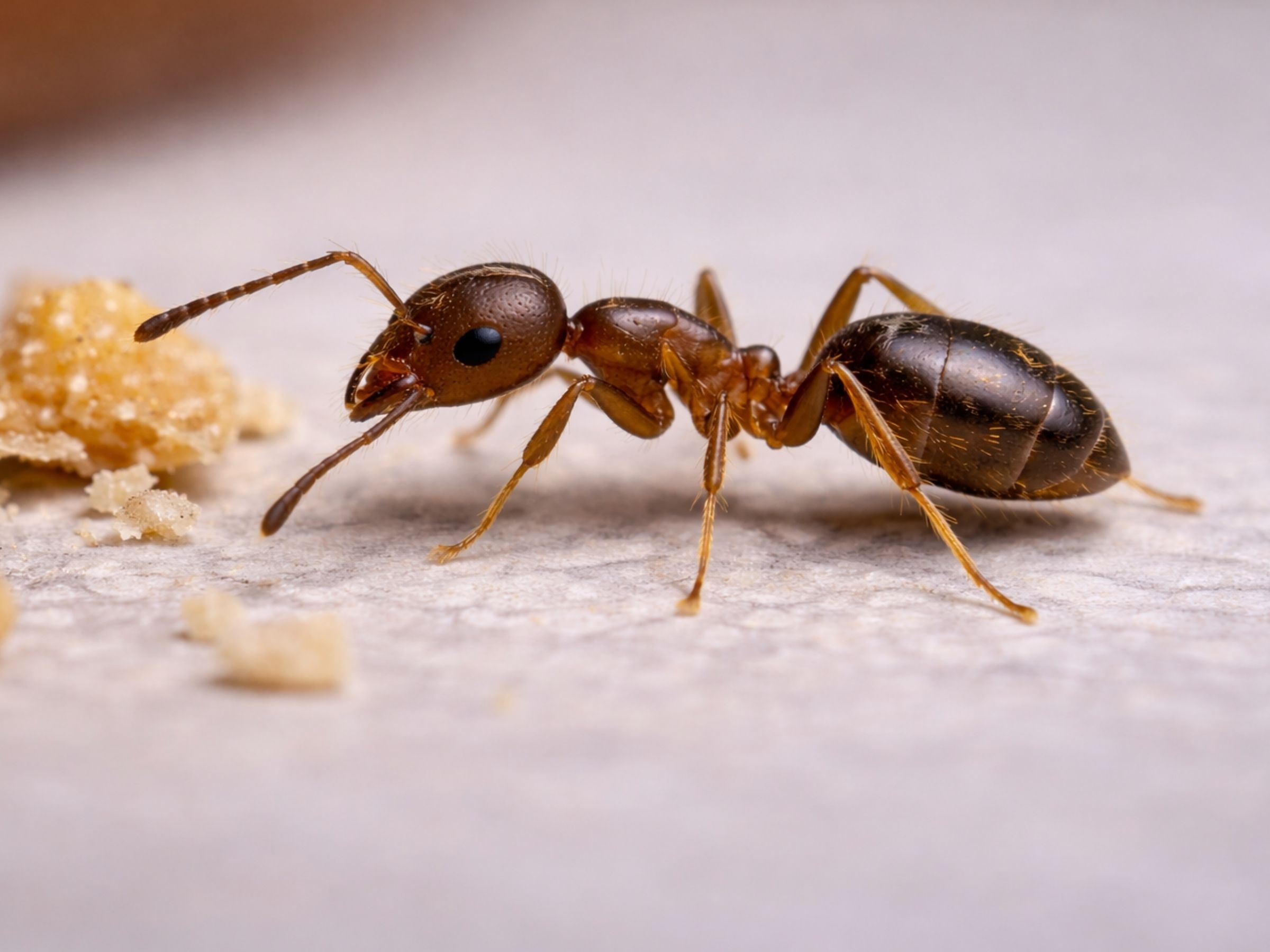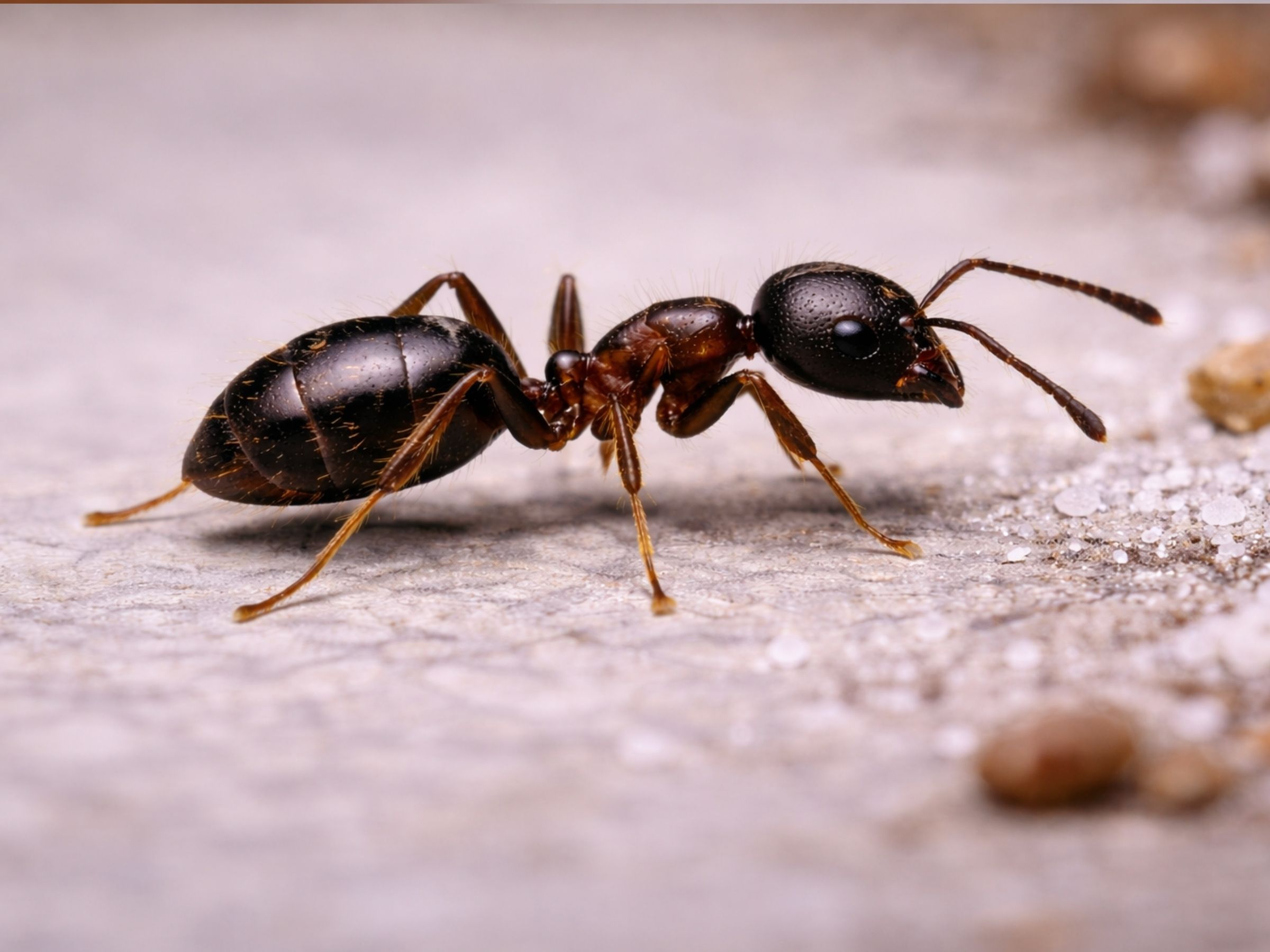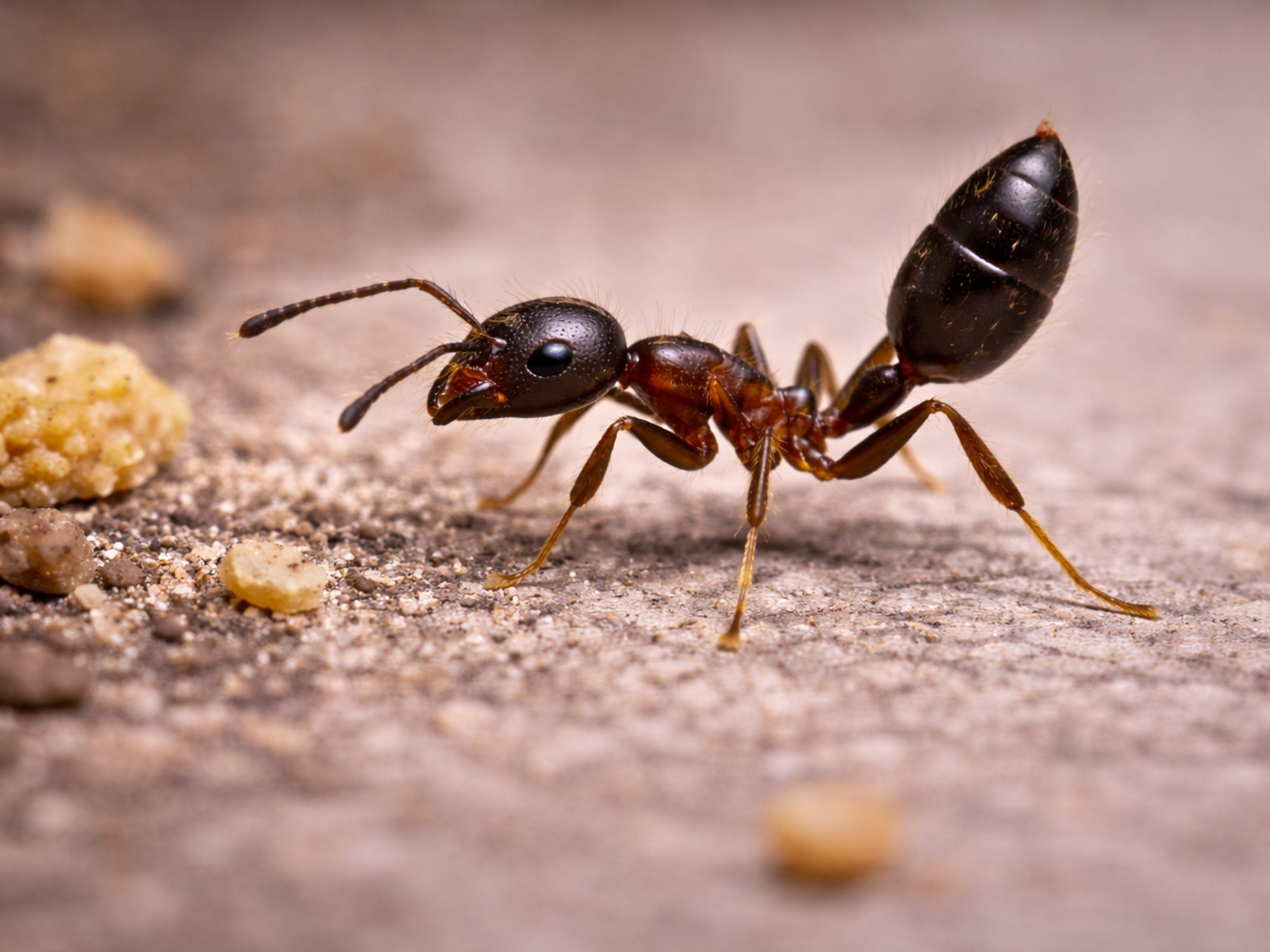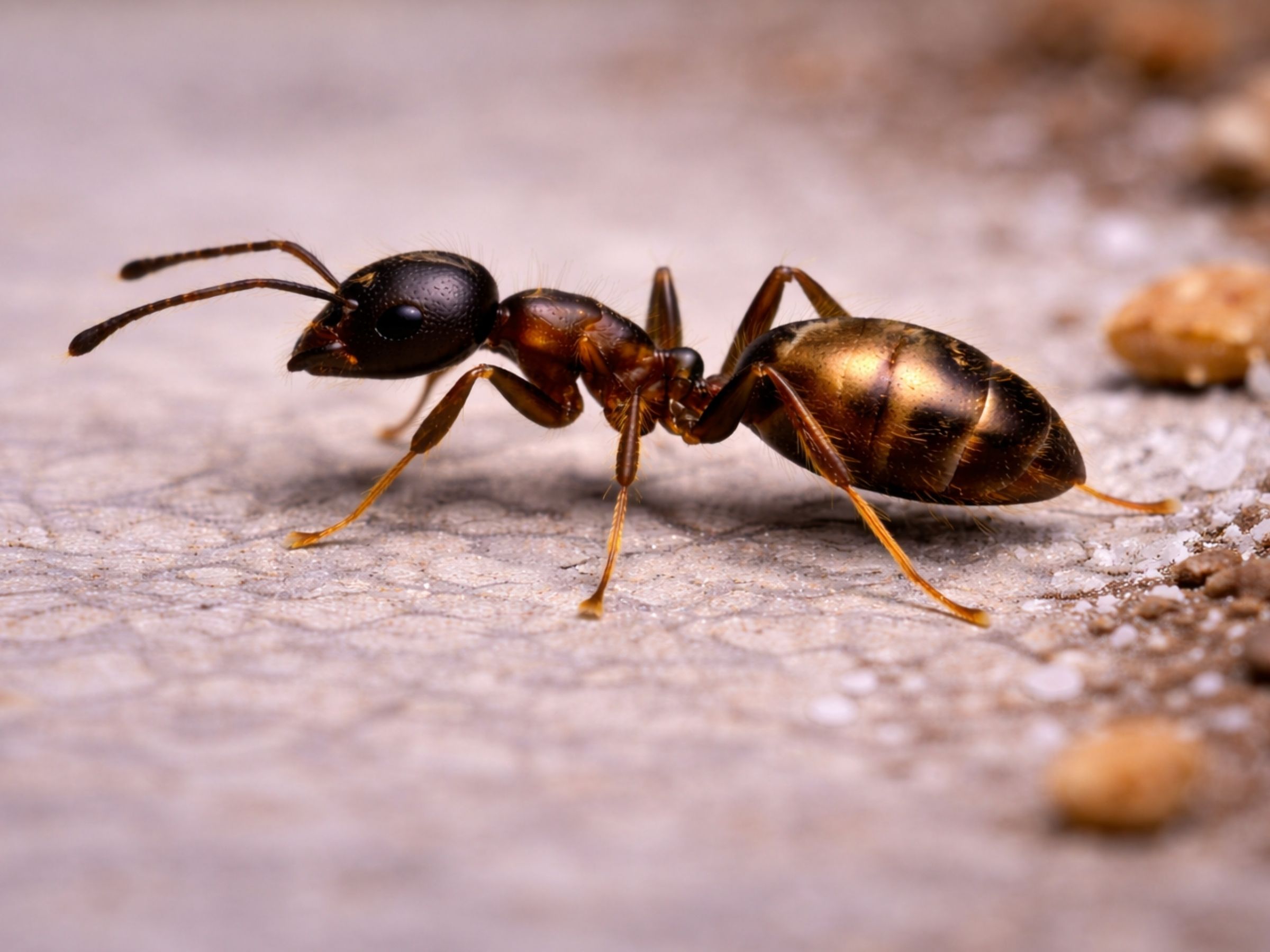

Argentine Ant
Linepithema humile
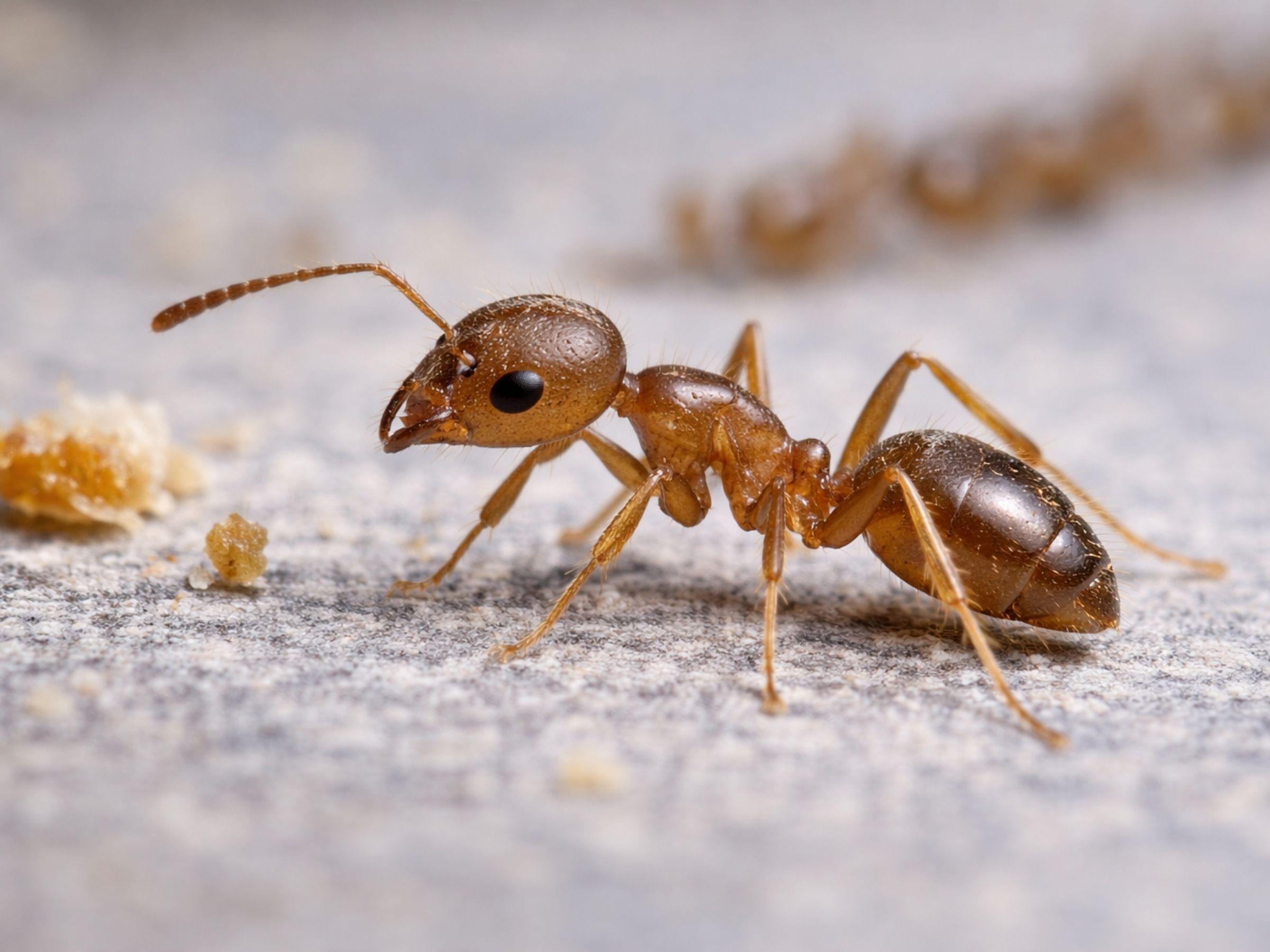
Appearance
- Light to dark brown, often uniform
- About 2–3 mm long
- Slender body, single node at waist
- Long, dense trails of similar-sized workers
Commonly found
Behaviour
Forms long, persistent trails and is a strong household nuisance. Common in urban and agricultural settings across South Africa; established in six provinces. Moves from outdoor nests into homes for food and moisture. Does not sting; strength is in numbers. Colonies can have multiple queens and spread across large areas. Can invade homes from outside sources and is especially prominent in Western Cape material and invasion literature.
Why you may be seeing them
Food access, moisture, cracks in paving, garden pressure, wall entries, and nesting or seasonal pressure. They exploit tiny gaps and are strongly attracted to sweets and proteins.
Often confused with
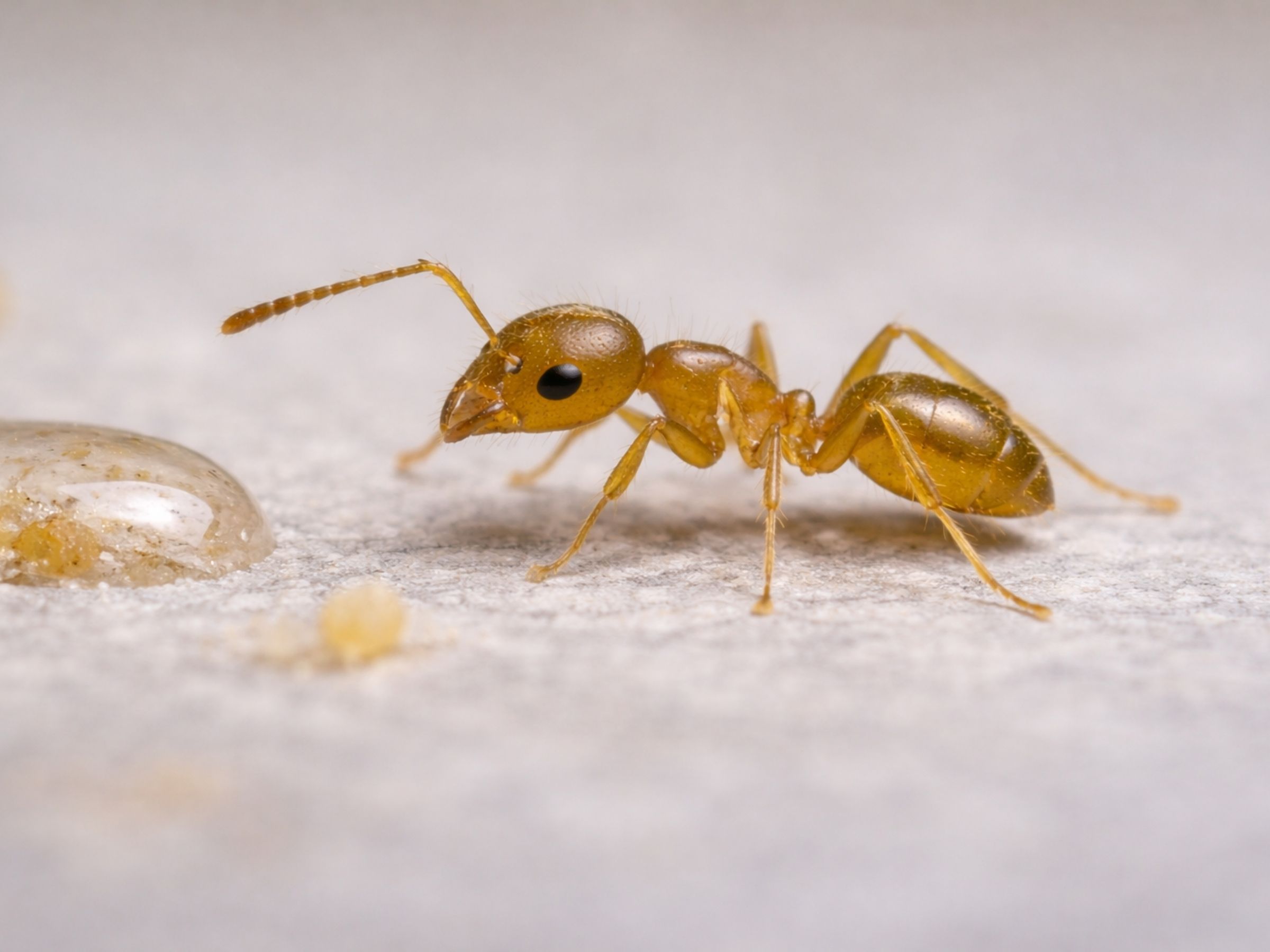
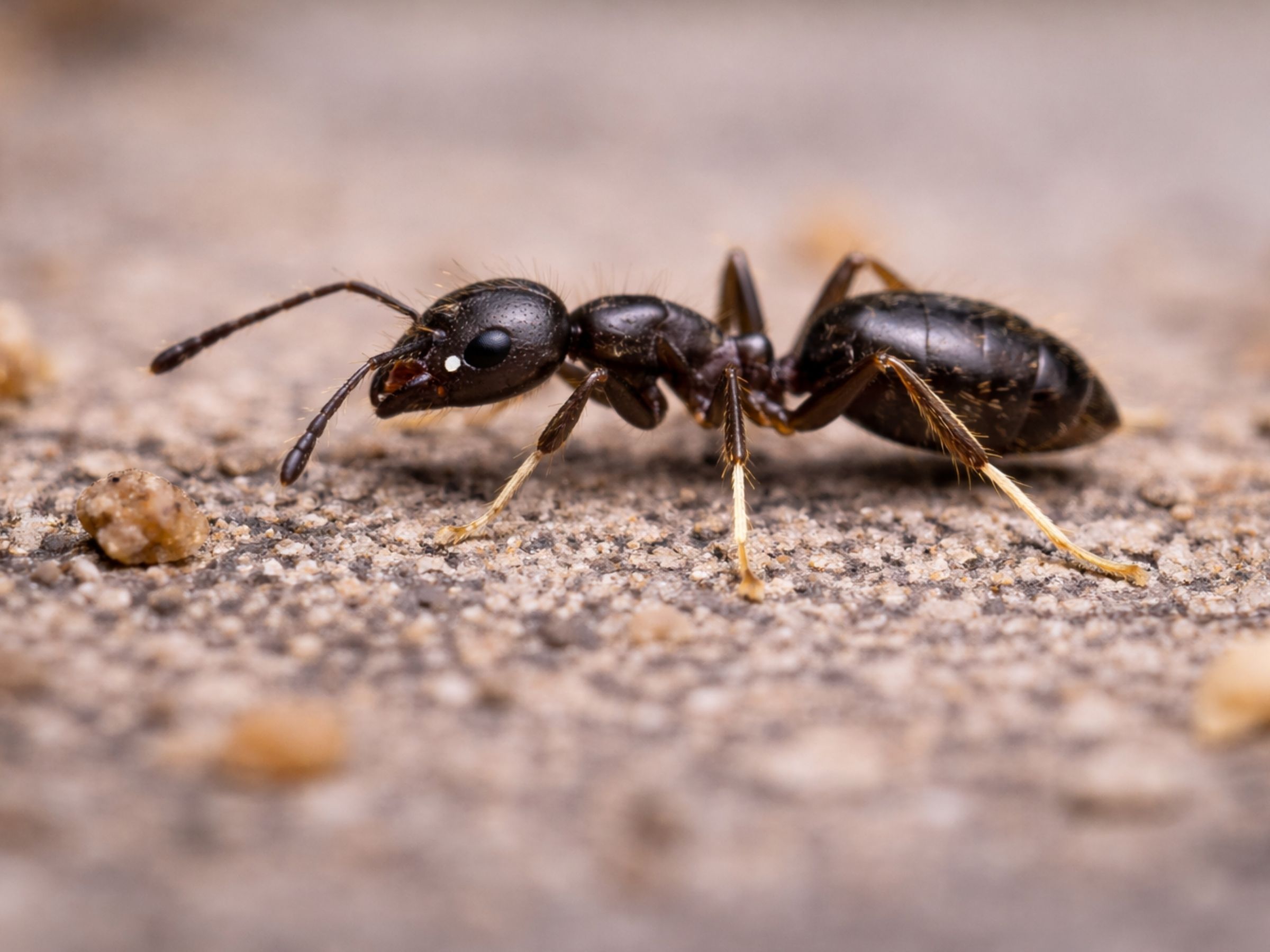
Pharaoh ant (smaller, yellower) · Black sugar ant / Lepisiota capensis (indigenous SA sugar ant) · Copper-bellied ant / Ochetellus glaber (bronze hints; Dolichoderinae)
When to get help
Repeated trails, multiple rooms, or return after DIY treatment — professional baiting and perimeter treatment often needed.