
Mole Control Cape Town
Cape Town mole control for lawns, gardens, and sports turf: humane trapping and deterrents, species-aware work for golden moles and mole-rats—no broad-spectrum poisons.
We protect your lawns, gardens, and sports fields from the species you are most likely to see here—for example Cape golden mole or mole-rats such as the Cape dune mole-rat—so treatment matches the animal and the law. Identify your mole first.
Humane trapping. No poisons.
Cape Town–wide · Lawns, gardens, sports fields.
Book mole control in Cape Town
engineered to eliminate™—so you get the right fix. Need help with moles in your lawn or garden? Tell us your area, the type of property (lawn, garden, sports field), and where you are seeing activity, and we will direct you to the next step.
Book online, request a quote, or send us a WhatsApp message for mole control in Cape Town.
- Select your suburb
- Tell us the type of property (lawn, garden, sports field, etc.)
- Describe where you are seeing mole activity
- Upload photos of molehills or runs if helpful
- Choose quote, booking, or WhatsApp
Protecting your lawn and garden from mole damage
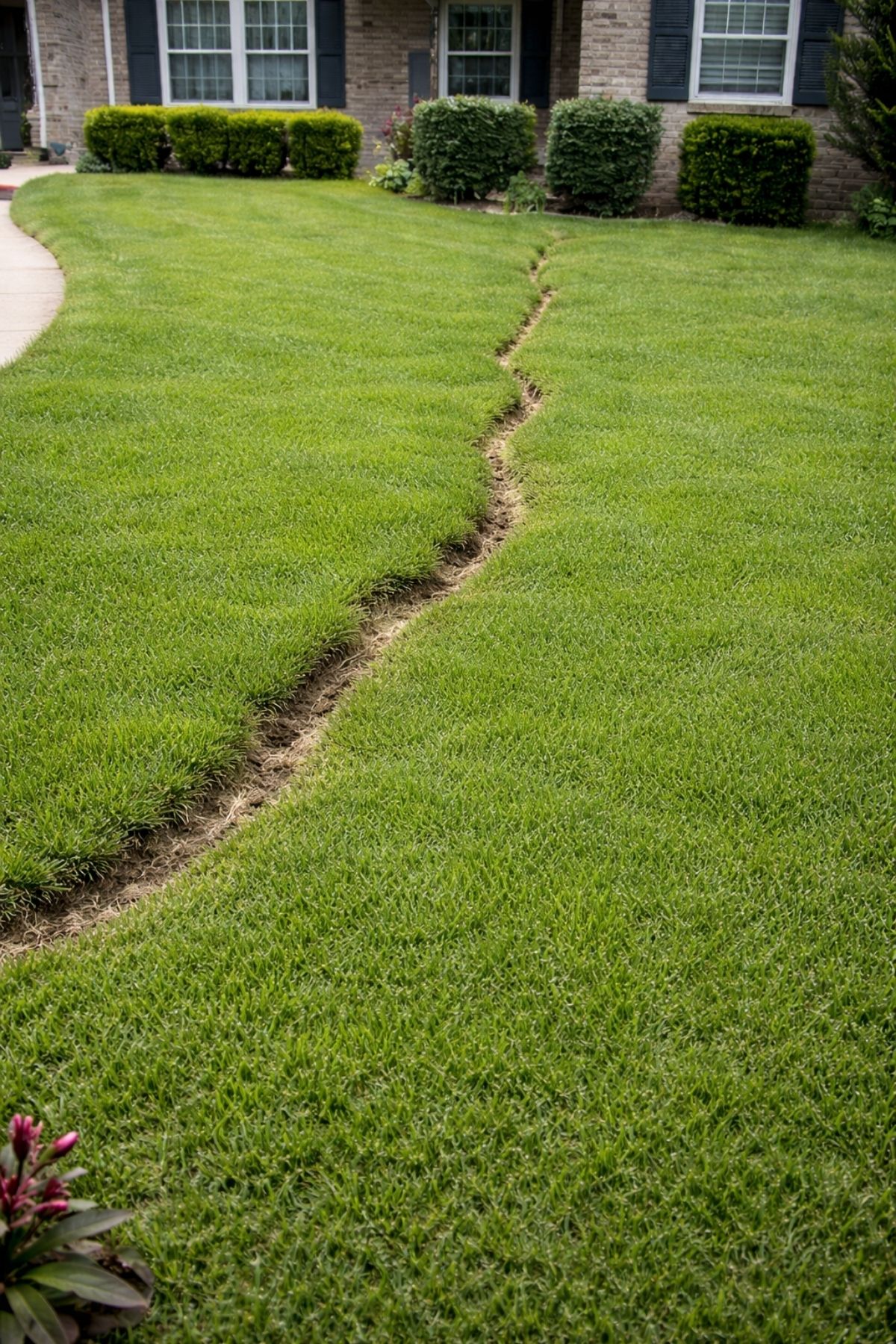
Moles tunnel for food—grubs, worms, and insects—and can quickly turn a neat lawn or garden into a patchwork of ridges and mounds. Damage is not only unsightly; it can weaken turf, expose roots, and create trip hazards.
Professional mole control reduces activity through humane trapping and deterrents, and we can advise on reducing the food source (e.g. grub control, irrigation) so your outdoor space stays in good shape.
Why Cape Town clients choose Verminator for mole control
Mole damage is frustrating and can feel never-ending. Cape Town clients choose Verminator because we focus on humane, effective control—trapping and deterrents—without poisons that risk pets or other wildlife. We work on lawns, gardens, sports fields, and larger properties.
We look at the type of property, the extent of activity, and your priorities so the response is practical and aligned with long-term results.
- Mole control for lawns, gardens, and sports fields
- Humane trapping and deterrent options
- Cape Town service coverage
- Fast quote and booking
- Residential and commercial
- Practical follow-up where needed
Moles activity in Cape Town right now
Mole activity remains moderate in autumn. Soil is still workable and prey available; good time for trapping or barrier work before colder, drier winter soil.
Activity level
Moderate
Most active now
Cape golden mole, Common mole
What to maintain now
- Continue to reduce grub and worm pressure; limit excess irrigation.
- If fresh molehills appear, book treatment before winter.
Mole control for Cape Town lawns and gardens
Verminator helps Cape Town property owners with mole control in domestic gardens, sports fields, estates, schools, parks, and commercial landscaping. Whether you need trapping, deterrents, or advice on reducing grubs and moisture, we tailor the approach to your property.
Homes and gardens
Moles in domestic lawns and gardens can ruin turf, damage roots, and create uneven ground. We offer trapping and deterrents to restore your outdoor space.
Sports fields and clubs
Mole activity on pitches and playing surfaces affects safety and presentation. We work with clubs and grounds staff to control moles and protect the field.
Estates and complexes
Shared lawns, verges, and landscaped areas can suffer from mole damage. Coordinated control protects common property and curb appeal.
Farms and smallholdings
Moles in pastures, paddocks, or crop edges can cause trip hazards and damage. We offer solutions suited to larger outdoor areas.
Schools and parks
Lawns and playing areas need to be safe and usable. We provide mole control that minimises disruption and is appropriate for public spaces.
Commercial landscaping
Office parks, showgrounds, and commercial green spaces need presentable lawns. We help maintain standards with effective mole control.
Why mole problems are common in Cape Town
Cape Town’s Mediterranean climate, irrigated lawns, and well-watered gardens create ideal conditions for soil-dwelling prey—grubs and earthworms—which in turn attract moles. The species matters: Cape golden mole and mole-rats behave differently from true moles found elsewhere. Many suburbs see Cape golden mole and related species, especially where soil is moist and food is plentiful.
That is why mole control often works best when we combine trapping or deterrents with advice on reducing excess moisture and grub pressure, so the property is less attractive to moles over time.
Our approach to mole control in Cape Town
We assess where mole activity is (runs, molehills, damage) and the type of property. From there we recommend trapping, deterrents, or a combination, and advise on reducing grubs and irrigation where that will help. We use humane methods and do not put down poisons that risk pets or other wildlife.
The aim is to reduce damage and restore the use and appearance of your lawn or garden, with follow-up where needed.
Why DIY mole control often fails
Home remedies and DIY traps often miss the active runs or are not set correctly, so moles keep tunnelling. Without reducing the food source (grubs, moisture), new moles can also move in from neighbouring areas.
Professional trapping targets the right runs and is combined with advice on making the property less attractive. That gives you a better chance of lasting control.
Ready to take back your lawn? Call.
We're engineered to get your mole problem under control—humanely and effectively. Spot any of the signs below? Don't let the damage spread.
Signs you may need professional mole control
- Raised ridges or runs across the lawn
- Fresh molehills or loose soil mounds
- Damaged turf or dying grass along tunnels
- Soft, spongy ground underfoot
- Increased activity after rain or irrigation
- Damage spreading across the garden or field
- Multiple runs in lawns, sports fields, or verges
Start with the right species — then we control humanely
In Cape Town, “mole” damage often means a golden mole or a mole-rat. Getting the species right keeps treatment humane, effective, and appropriate for protected wildlife. Use these pages alongside the profiles below.
- Mole identification guideGolden moles vs mole-rats, which Cape Town species you are likely to see, and which animals are protected.
- Moles: behaviour & controlLifecycle, damage patterns, and control options explained on our moles hub.
- Mole control by areaRegional mole pages and how we structure coverage across the Western Cape.
- Rodent control Cape TownMole-rats are rodents; if signs fit burrowing rats rather than golden moles, start here.
Identify before you control
Most lawn and garden call-outs in the Western Cape involve common golden moles or mole-rats that are not conservation priorities — but South Africa also has golden moles with higher IUCN threat status. Always confirm what you are dealing with and the legal context before lethal control. Our mole identification guide covers species clues and status — without pinning threatened populations to places on a map.
Common mole species and behaviour in Cape Town
South Africa does not have European or American true moles (Talpidae). “Mole” damage here is usually golden moles (insect-eaters) or mole-rats (rodents). All four profiles below are IUCN Least Concern — the species most often involved in Cape Town lawns and gardens. If you are on fynbos, dunes, or unsure, check our identification guide before any lethal control.
Cape golden mole
Chrysochloridae · Least Concern
Small, blind, iridescent-furred insectivore. Tunnels after grubs, worms, and soil invertebrates. Leaves raised ridges and small molehills in moist, irrigated lawns and garden beds.
- Raised ridges or “runs” in lawn and garden
- Small molehills; soft soil near irrigation
- Superficial burrows; damage to turf and roots
- Year-round activity in Cape Town’s mild climate
The species you are most likely to mean by “mole” in Cape Town gardens. Humane trapping and deterrents; reduce grubs and excess irrigation where practical.
Hottentot golden mole
Chrysochloridae · Least Concern
The most widespread golden mole in South Africa. Similar signs to the Cape golden mole — long burrows, molehills, and surface runs — and also common in suburban gardens and sports fields.
- Molehills and ridges in lawns, farmland, and verges
- Widespread from coast to Highveld — overlaps with Cape golden mole in many suburbs
- Insectivore; peaks when soil is workable after rain or watering
Often interchangeable with Cape golden mole from damage signs alone; both are Least Concern. Professional assessment targets active runs correctly.
Cape dune mole-rat
Bathyergidae · Least Concern
Large solitary rodent (not a golden mole). Digs with claws; herbivore. Pushes up big molehills and ridges in sandy coastal soil — common from the West Coast through to sandy Cape suburbs.
- Large molehills and pronounced ridges on sandy lawns and fields
- Damage to irrigation lines and buried cables reported
- Solitary; one animal per burrow system in many cases
Main mole-rat “mole” pest on sandy Cape coastal strips. Humane trapping and exclusion; different biology from golden moles.
Common mole-rat
Bathyergidae · Least Concern
Colonial rodent; herbivore. Molehills and tunnel systems in gardens, pasture, and crop edges. Widespread in the Western Cape and beyond.
- Colonial activity — multiple hills or a “town” of mounds
- Pasture, gardens, and areas with bulbs or roots
- Often confused with Cape dune mole-rat (smaller; different social system and range)
Control may need colony-focused strategies. We assess whether signs fit common mole-rat vs solitary Cape dune mole-rat.
Mole control and prevention
Learn more about mole behaviour, damage signs, and control options in the Western Cape.
Mole control and preventionOur mole control options
We use humane trapping and deterrents to reduce mole activity. Where helpful, we also advise on reducing grubs and irrigation so the property is less attractive to moles. We do not use poisons that risk pets or other wildlife.
Trapping
We set traps in active runs to catch moles humanely. Correct placement and follow-up visits improve results. We will explain the process and what to expect when we quote.
Deterrents and grub reduction
Deterrents can make areas less attractive to moles. Reducing grubs and excess irrigation also reduces the food and conditions that draw moles in. We advise on both as part of a full solution.
Mole control across Cape Town
We provide mole control across many Cape Town suburbs and surrounding areas for lawns, gardens, sports fields, and commercial landscaping.
Southern Suburbs
Claremont, Rondebosch, Newlands, Constantia, Wynberg, Kenilworth, Plumstead, Observatory
Northern Suburbs
Bellville, Durbanville, Brackenfell, Kraaifontein, Parow, Goodwood
West Coast corridor
Table View, Milnerton, Parklands, Blouberg, Sunningdale, Century City
Atlantic Seaboard
Helderberg
If you are in Cape Town and need mole control, use our quote or booking to tell us your area.
Explore more Cape Town pest control services
If you are dealing with other pests as well, browse our related pest control services and Cape Town area pages. Regional mole hubs cover the Southern Suburbs, Northern Suburbs, City Bowl, Atlantic Seaboard, Southern Peninsula, Helderberg, Overberg, Southern Cape, Cape Winelands, Boland, Swartland, and West Coast, each with a flagship page (Constantia, Durbanville, Gardens, Hout Bay, Fish Hoek, Somerset West, Hermanus, George, Stellenbosch, Worcester, Malmesbury, Table View) and dedicated siblings in the cluster.
Related services
- Ant Control Cape Town
- Cockroach Control Cape Town
- Rodent Control Cape Town
- Spider Control Cape Town
- Termite Control Cape Town
- Fly Control Cape Town
- Bed Bug Treatment Cape Town
- Millipede Control Cape Town
- Wasp Nest Removal Cape Town
- Cricket Control Cape Town
- Lice Control Cape Town
- Pantry Pest Control Cape Town
- Bird Control Cape Town
- Mosquito Control Cape Town
- Silverfish Control Cape Town
- Tick Control Cape Town
- Wood Borer Treatment Cape Town
- Carpet Beetle Control Cape Town
- Earwig Control Cape Town
- Weed Control Cape Town
- Flea Control Cape Town
Related area pages
- Pest Control Cape Town
- Mole Control Southern Suburbs
- Mole Control Northern Suburbs
- Mole Control Durbanville
- Mole Control City Bowl
- Mole Control Gardens
- Mole Control Atlantic Seaboard
- Mole Control Southern Peninsula
- Mole Control Helderberg
- Mole Control Overberg
- Mole Control Southern Cape
- Mole Control Winelands
- Mole Control Boland
- Mole Control Swartland
- Mole Control West Coast
- Mole Control Table View
- Mole Control Melkbosstrand
- Mole Control Malmesbury
- Mole Control Worcester
- Mole Control Stellenbosch
- Mole Control George
- Mole Control Hermanus
- Mole Control Somerset West
- Mole Control Fish Hoek
- Mole Control Hout Bay
- Mole Control Sea Point
- Mole Control Constantia
- Pest Control Southern Suburbs
- Pest Control Claremont
- Pest Control Bellville
- Pest Control Durbanville
- Pest Control Table View
- Pest Control Milnerton
- Pest Control Somerset West
- Pest Control Gordon's Bay