
Culex (House Mosquito)
Culex spp. (e.g. C. pipiens, C. quinquefasciatus, C. theileri)
Appearance
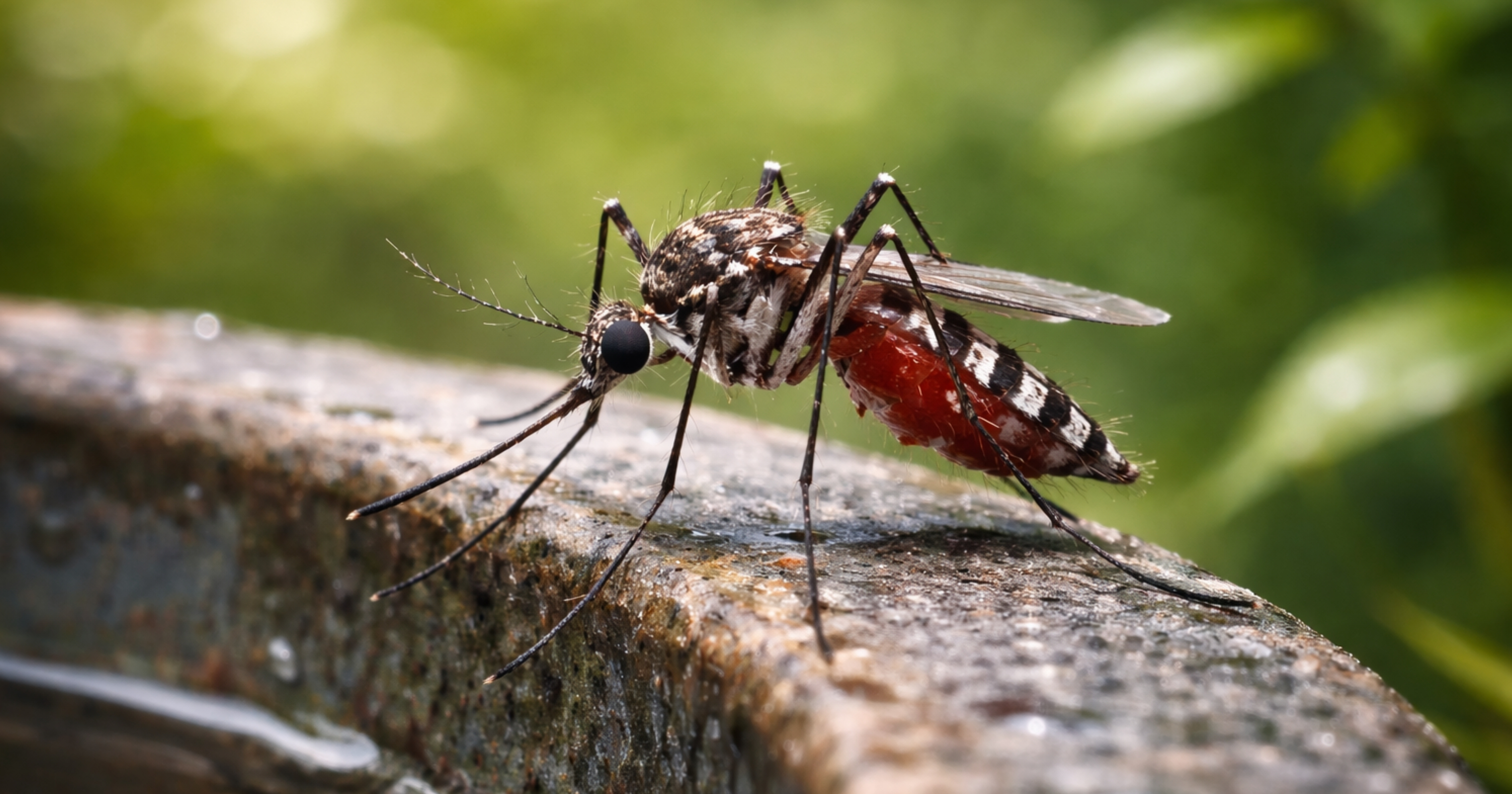
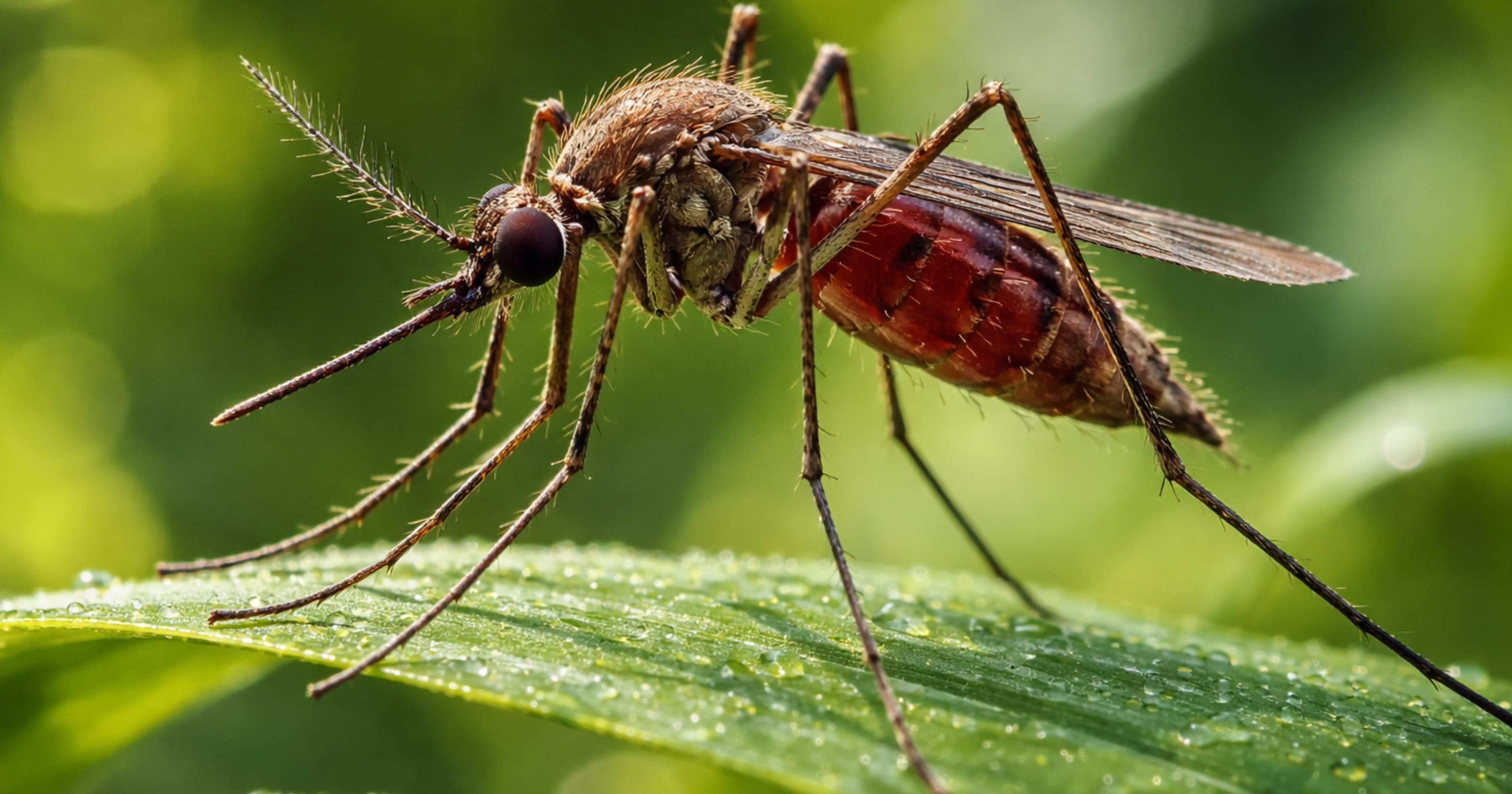
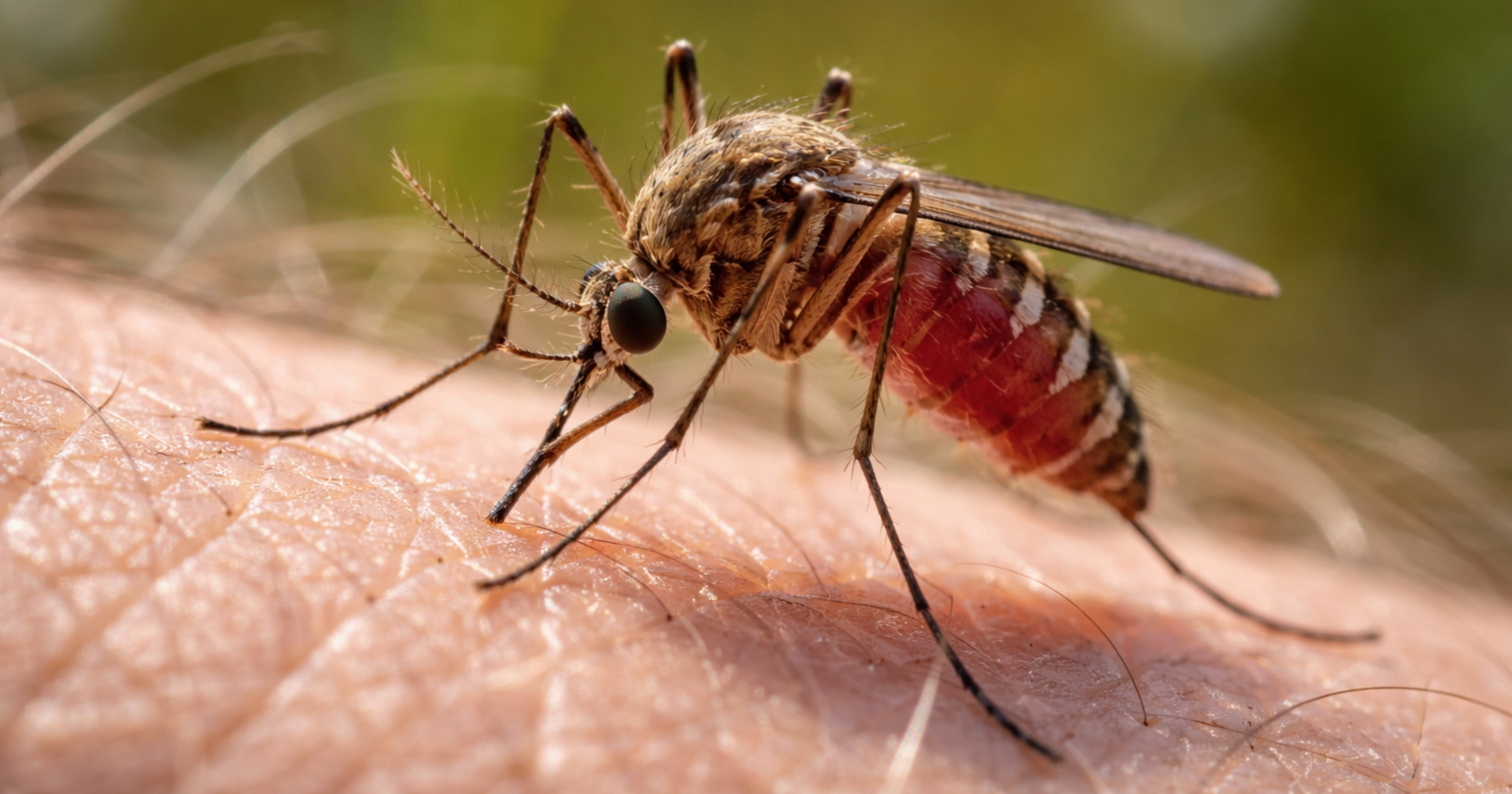
- Brownish-grey body; plain wings without bold patterns
- About 4–10 mm; long proboscis (biting mouthparts)
- Larvae (wrigglers): hang at an angle from water surface; breathe through siphon
- Pupae: comma-shaped; active in water
Commonly found
Behaviour
Common “house” or nuisance mosquitoes in South Africa. Females bite (mainly at dusk and dawn) to obtain blood for egg development. Lay eggs in rafts on standing water; larvae develop in a few days to weeks. Some Culex species can transmit West Nile virus or Rift Valley fever. Control by removing standing water or using larvicides where water cannot be removed.
Why you may be seeing them
Standing water on the property — gutters, saucers, ponds, or containers — allows breeding. Numbers rise after rain and in warm weather. Biting at dusk and dawn is typical. Larvae (wrigglers) in water confirm a breeding site.
Often confused with
Aedes (Aedes often have banded legs and breed in smaller containers) · Anopheles (Anopheles rest at an angle; Culex rest parallel to surface) · Midges (midges do not bite; different wing and body shape)
When to get help
Heavy biting; larvae in water you cannot remove; or after rain when breeding sites multiply. Professional survey finds all breeding sites and advises on larvicides and source reduction.
Culex species are widespread. Source reduction (empty, cover, or treat water) is the main control.