Pest guide · mosquitoes
National mosquito methodology: mosquito control hub, how we treat mosquitoes, mosquito guarantees, mosquito control by area. Identification: mosquito identification.
Culex pipiens complex (e.g. Cx. pipiens, Cx. quinquefasciatus)
The house mosquito is one of the most successful urban insects on earth. It does not need pristine wetlands or dramatic tropical scenery to thrive. Culex mosquitoes succeed because they are masters of human-made stagnant water, warm urban shelter, and flexible host use. Their real strength is not just biting. It is a combination of container breeding, tolerance for organically rich water, and a life cycle perfectly suited to the still-water habitats people accidentally create.
“House mosquito” usually refers to members of the Culex pipiens complex, especially Culex pipiens and Culex quinquefasciatus. The CDC explains that Culex mosquitoes include important species such as Cx. pipiens and Cx. quinquefasciatus, while a major review describes the Culex pipiens complex as a medically important group closely tied to human environments.
These are the mosquitoes many people notice around homes, yards, drains, stored water, and other stagnant-water settings. Unlike some mosquitoes that prefer cleaner natural pools, house-associated Culex often do extremely well in standing water enriched with organic matter, including water affected by sewage, waste, or decomposing material.
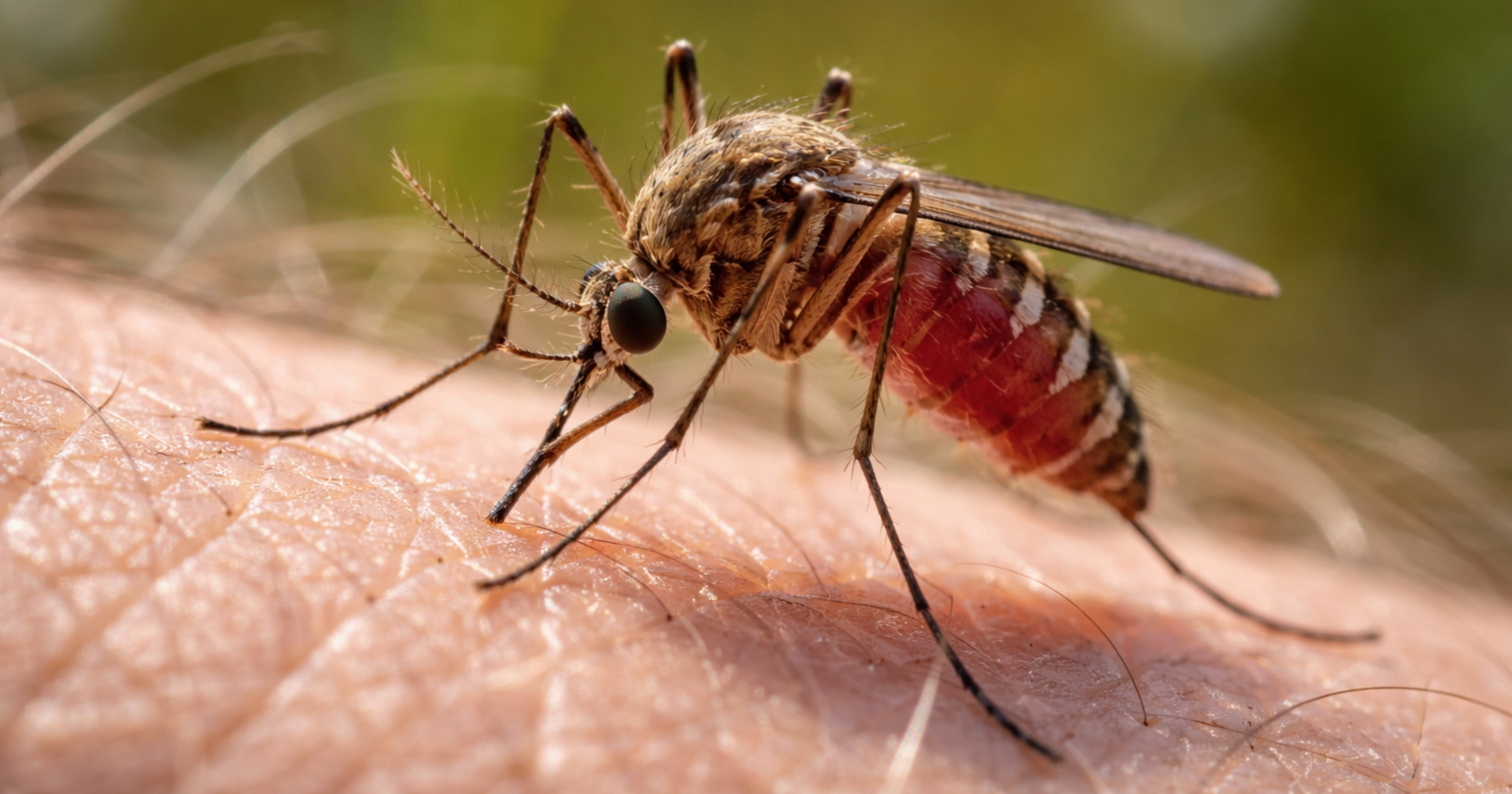
House mosquitoes are usually small to medium-sized brown mosquitoes with narrow wings, long legs, and a typical slender mosquito profile. The CDC's educational material shows Culex as plain brownish mosquitoes rather than the sharply black-and-white pattern many people associate with some Aedes mosquitoes.
What to look for
This is one of the most important truths about them: they breed in still water.
A recent mosquito review explains that mosquito larvae and pupae need access to atmospheric air at the water surface, which is one major reason mosquitoes breed in stagnant, still, or very slow-moving water rather than rapidly flowing water. Reviews focused specifically on Culex note that Cx. quinquefasciatus strongly prefers water with high organic content, such as wastewater holding ponds or similarly enriched stagnant water, while Cx. pipiens also uses a wide range of standing-water habitats, including containers.
Common breeding sites include
House mosquitoes matter for two big reasons: biting nuisance and disease transmission.
The CDC states that Culex mosquitoes can spread viruses such as West Nile virus, St. Louis encephalitis virus, and, in some settings, other encephalitic viruses. A 2024 review also summarizes the broader importance of Culex mosquitoes as vectors of multiple zoonotic diseases.
Even where disease transmission is not the immediate issue, heavy Culex activity can make homes, schools, yards, outdoor seating areas, and sleeping spaces uncomfortable. Their nuisance value is part of why they have been such important targets in public-health entomology.
Most people think a mosquito's main power is its bite.
That is only the visible part.
Its deeper advantage is its ability to turn human-made stagnant water into a nursery. A major review of the Culex pipiens complex explains that the success of these mosquitoes is partly due to their ability to exploit the large amounts of standing-water “food” generated by humans and livestock. Another review on oviposition behavior notes that Cx. quinquefasciatus prefers laying eggs in water with high organic content.
This means house mosquitoes are not just surviving around people. They are using the side effects of human settlement — storage water, neglected water, waste-rich water, drainage failures, and artificial containers — as ideal reproductive habitat. That is a much more powerful advantage than simple biting ability.
The hidden strength of Culex is its ability to convert stagnant urban water into mass production habitat:
That is what makes the house mosquito so formidable.
This is one of the most interesting and least-known facts about the Culex pipiens complex. Research on autogeny in the complex shows that some mosquitoes in this group can develop the first batch of eggs without first taking a blood meal. That does not apply equally to every population or every member of the complex, but it is a real biological capability in parts of the group.
Why this matters
That gives some populations an extra edge. A mosquito that can sometimes begin reproduction without first finding a host gains flexibility in early colony establishment and survival. It is not the whole story of Culex success, but it is one of the more remarkable biological tricks in the complex.
House mosquitoes are difficult because they do not need large wetlands to succeed. They can exploit small, common, repetitive water sources created by daily life. A review of the Culex pipiens complex ties their success directly to human-generated standing-water resources, and oviposition research shows how strongly some species are attracted to nutrient-rich stagnant water.
In plain language: they are hard to manage because people unintentionally build mosquito nurseries everywhere. That is an inference strongly supported by the breeding-habitat literature.
One of the most overlooked facts about house mosquitoes is that their success is tied not only to biting humans, but also to their egg-laying decisions. A major review of mosquito oviposition behavior emphasizes how important it is for female mosquitoes to choose the right place to lay eggs, because that choice directly shapes survival of the next generation. For Culex, that means the female's real power is often where she lays eggs, not just whom she bites.
If you want one accurate answer, it is this:
It turns neglect into habitat.
Many insects need flowers. Many biting pests need intact wilderness. Many aquatic insects need larger water systems. But Culex stands out because it combines:
That is what makes the house mosquito so successful.
The Culex house mosquito is one of the clearest examples of how a small insect becomes powerful by matching human life perfectly. It thrives not because cities are wild, but because cities produce still water, shelter, warmth, and repeated breeding opportunities. That is what makes it so common, so persistent, and so important to understand.
Next: how we treat mosquitoes, mosquito guarantees, mosquito identification guide. Book mosquito control in Cape Town · Mosquito Control Cape Town hub. Read mosquito treatment safety.
Culex pipiens complex — source reduction and larvicides on your quoted breeding-site footprint; disease risk varies by region and species.
Standing water after rain? Use get a quote for a survey-led programme.
We map breeding sites first, then larvicide and adult pressure on your quoted scope—national mosquito methodology and guarantee framing.
How we treat mosquitoes, Mosquito guarantees, Mosquito control by area, Mosquito identification guide. Hub: mosquito control.