
Bont Tick
Amblyomma hebraeum
Appearance
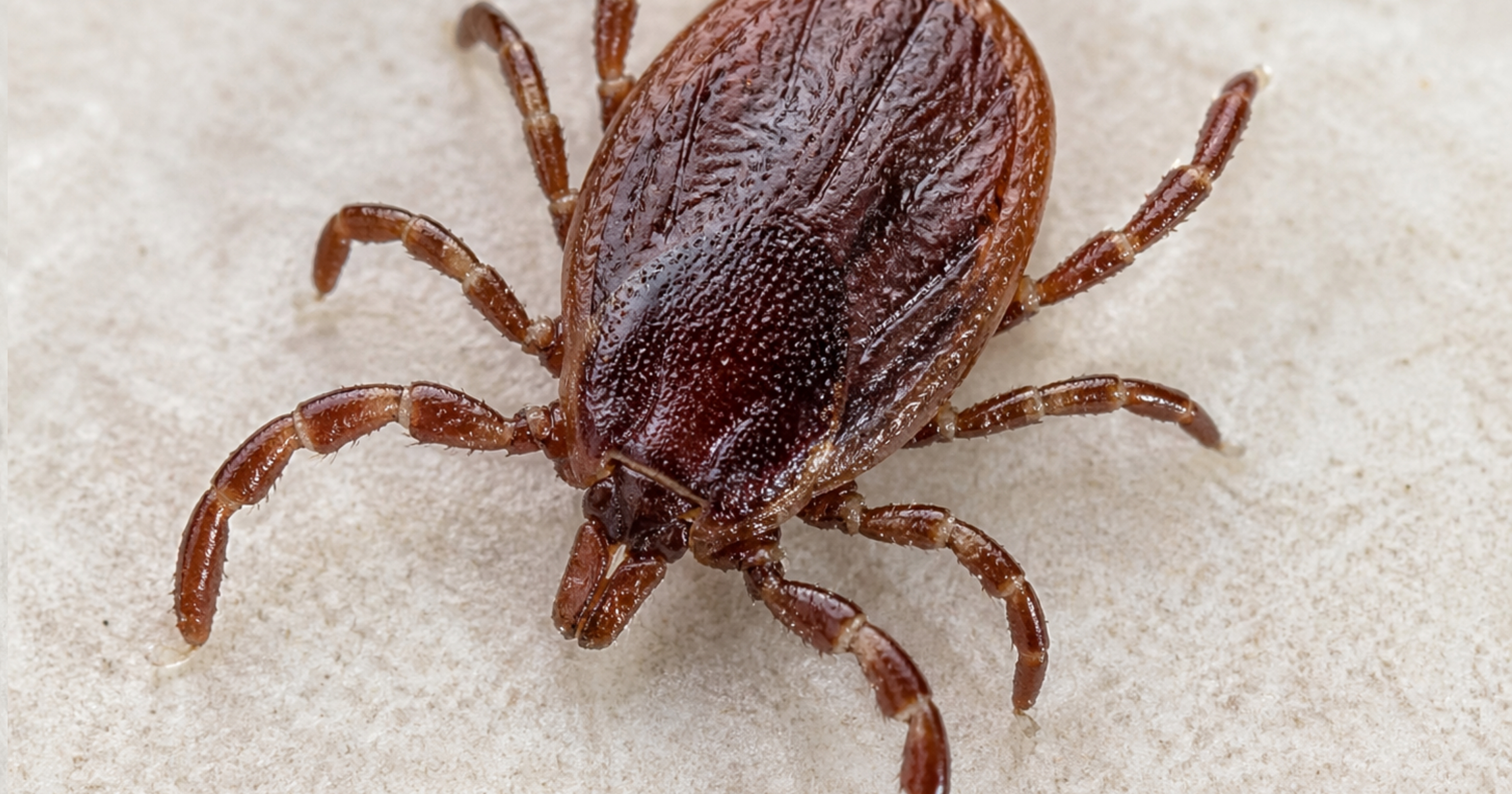
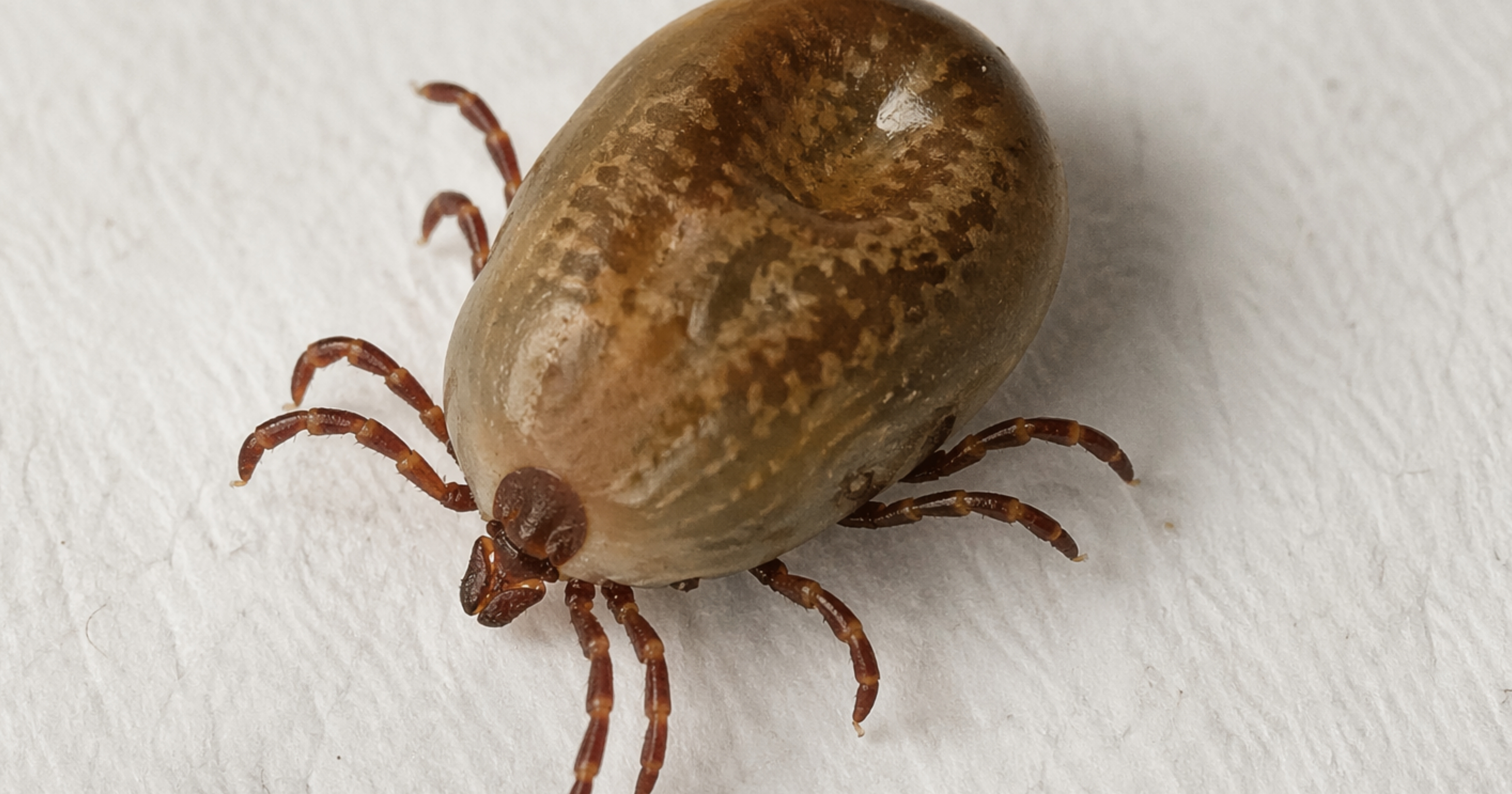
- Ornate patterned shield (scutum); reddish-brown with pale markings
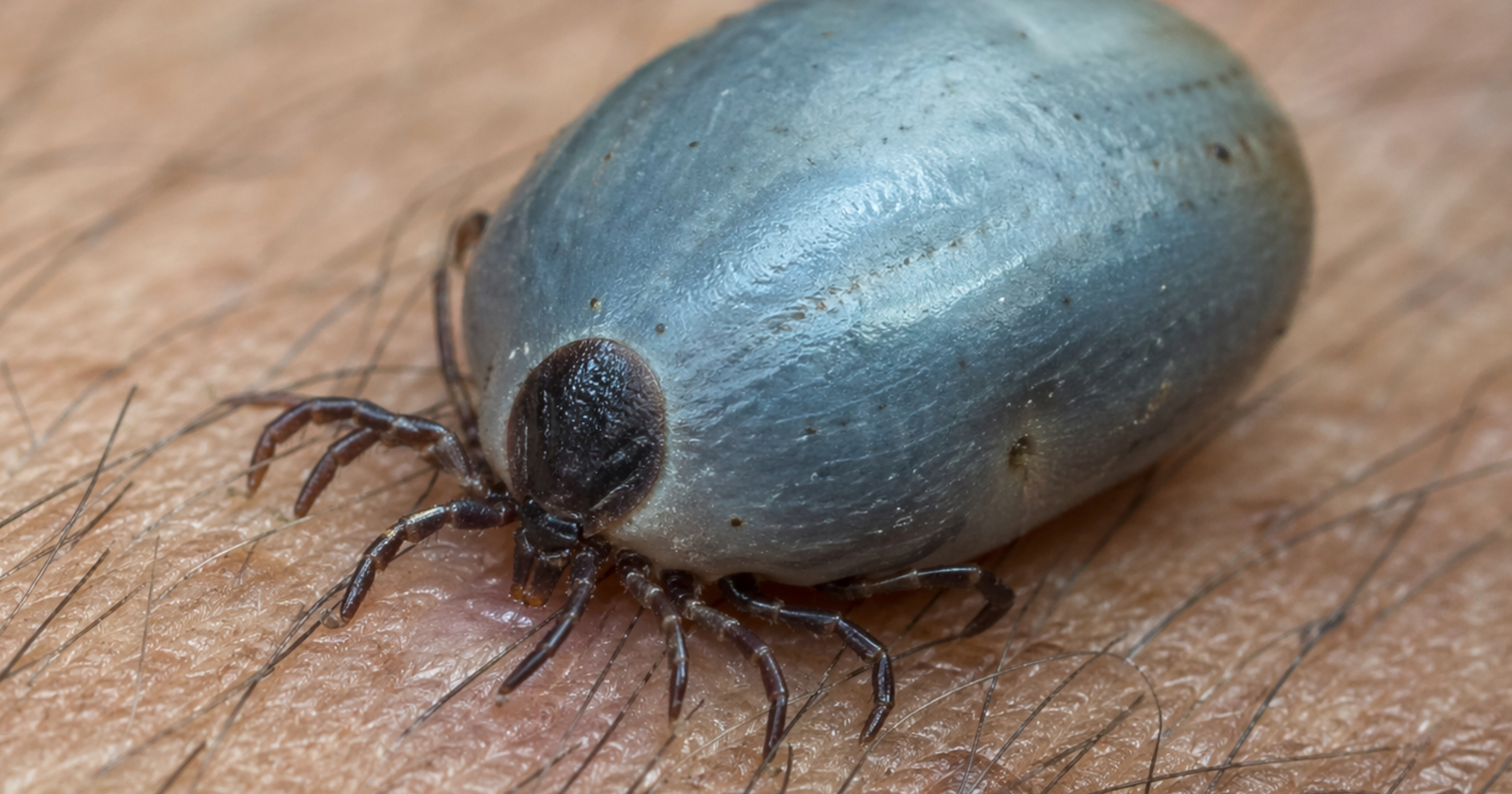
- Unfed adult about 5–10 mm; engorged female can be very large
- Eight legs; oval when unfed; rounded when engorged
- Larvae (seed ticks) very small; nymphs smaller than adults
Commonly found
Behaviour
Quest on vegetation and attach when a host brushes past. Transmit African tick bite fever (Rickettsia africae). Often associated with cattle and game; humans can be bitten when in rural or game areas. Property treatment in these areas is limited by the size of habitat; personal protection (long sleeves, pants, repellent) and checking for ticks after exposure are important.
Why you may be seeing them
Walking in long grass or bush in endemic areas; contact with cattle or game; or after visiting game reserves or farms. Bites often on legs, waist, or where skin is exposed. Remove tick promptly with fine tweezers; see a doctor if fever, headache, or eschar (dark scab at bite site) develops.
Often confused with
Other Amblyomma species (similar ornate pattern) · Brown dog tick (brown dog tick has no ornate shield; domestic setting)
When to get help
Heavy tick pressure on property in rural/game areas; or after a bite if you develop fever, headache, rash, or eschar (tick bite fever). Property treatment can reduce numbers in defined areas; coordinate with vet for livestock.
African tick bite fever is usually mild but should be diagnosed and treated. Eschar at bite site is a key sign.