
Paper Wasp
Polistes spp. (e.g. P. fastidiosus, P. badius, P. dominula)
Appearance
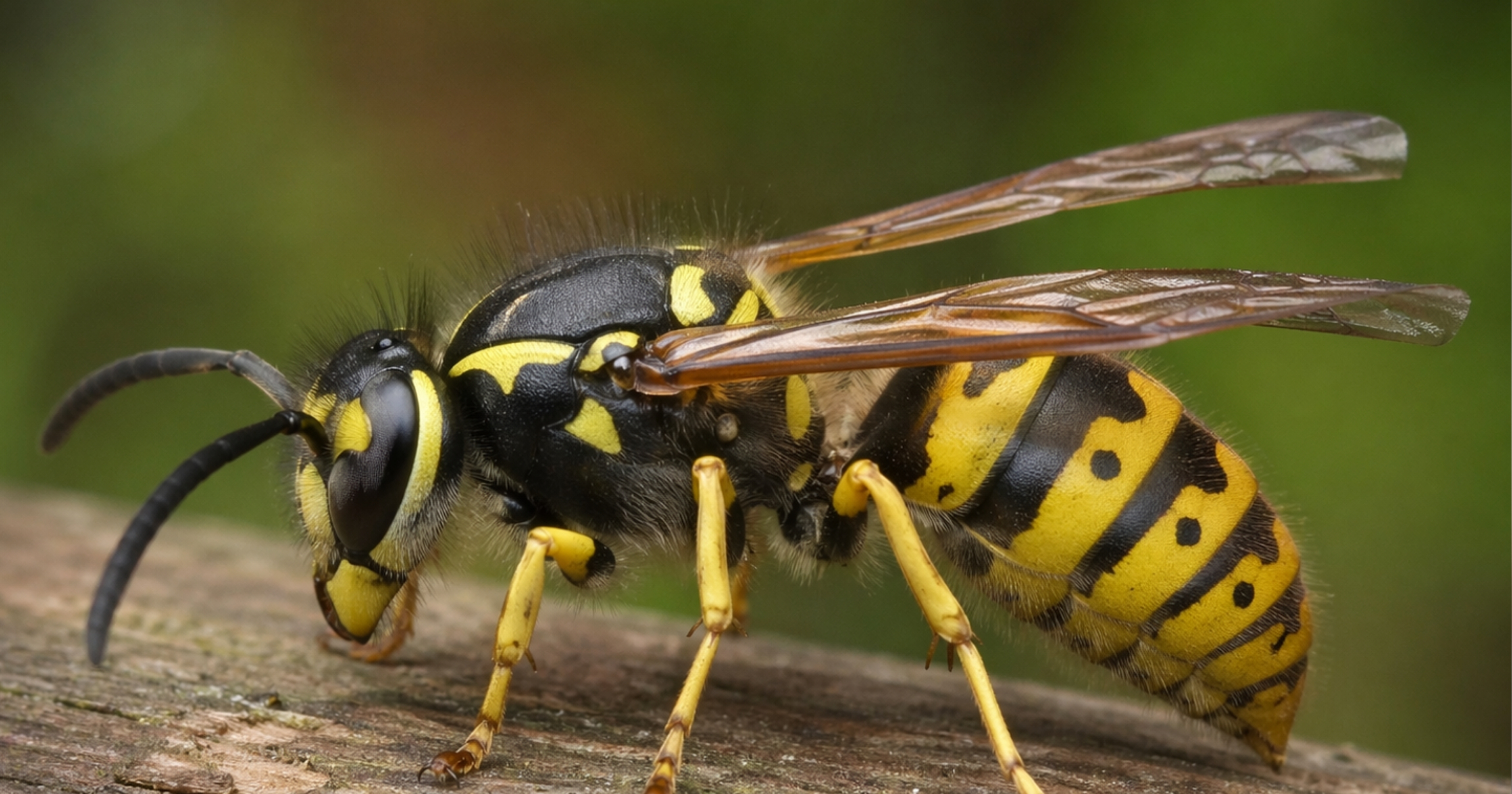
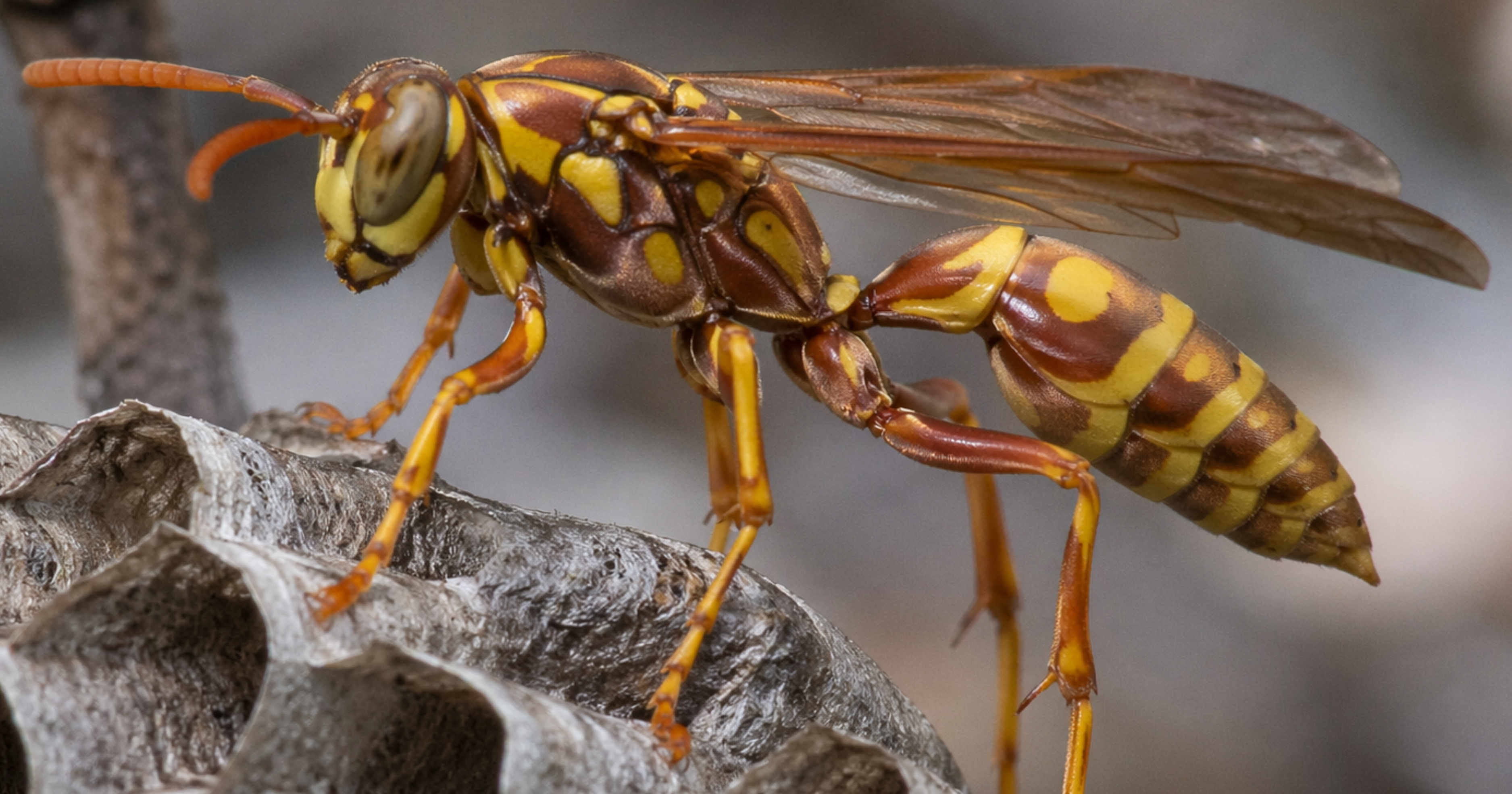
- Slender; narrow waist; black and yellow or brown markings
- About 15–25 mm; long legs; wings folded lengthwise at rest
- Nest: open comb, umbrella-shaped; cells point downward; no outer envelope
- Nest is grey or tan, paper-like; suspended by a stalk
Commonly found
Behaviour
Social wasps; queen starts the nest in spring; workers build the open comb and care for larvae. They feed on nectar and other insects (e.g. caterpillars) for the young. Defend the nest when disturbed; can sting repeatedly. Nests grow through summer. European paper wasp (Polistes dominula) is invasive in South Africa and builds larger nests. Professional treatment at dusk is safest.
Why you may be seeing them
Eaves and sheltered spots provide attachment for the nest. Once established, workers forage and the nest expands. Often noticed when wasps fly in and out or when the nest is visible under a roof. Early nests are small; late summer they can be large.
Often confused with
Yellowjacket (yellowjackets have an enclosed nest; paper wasp comb is open) · Bees (bees are fuzzy and build wax combs; wasps have smooth bodies and paper nests)
When to get help
Nest near doors, play areas, or paths; or nest too large or high for safe DIY. Professional treatment at dusk reduces risk; we treat the nest and advise on prevention.
Do not disturb active nests. Treatment is best at dusk when wasps are less active.