Head Louse
Pediculus humanus capitis
Appearance
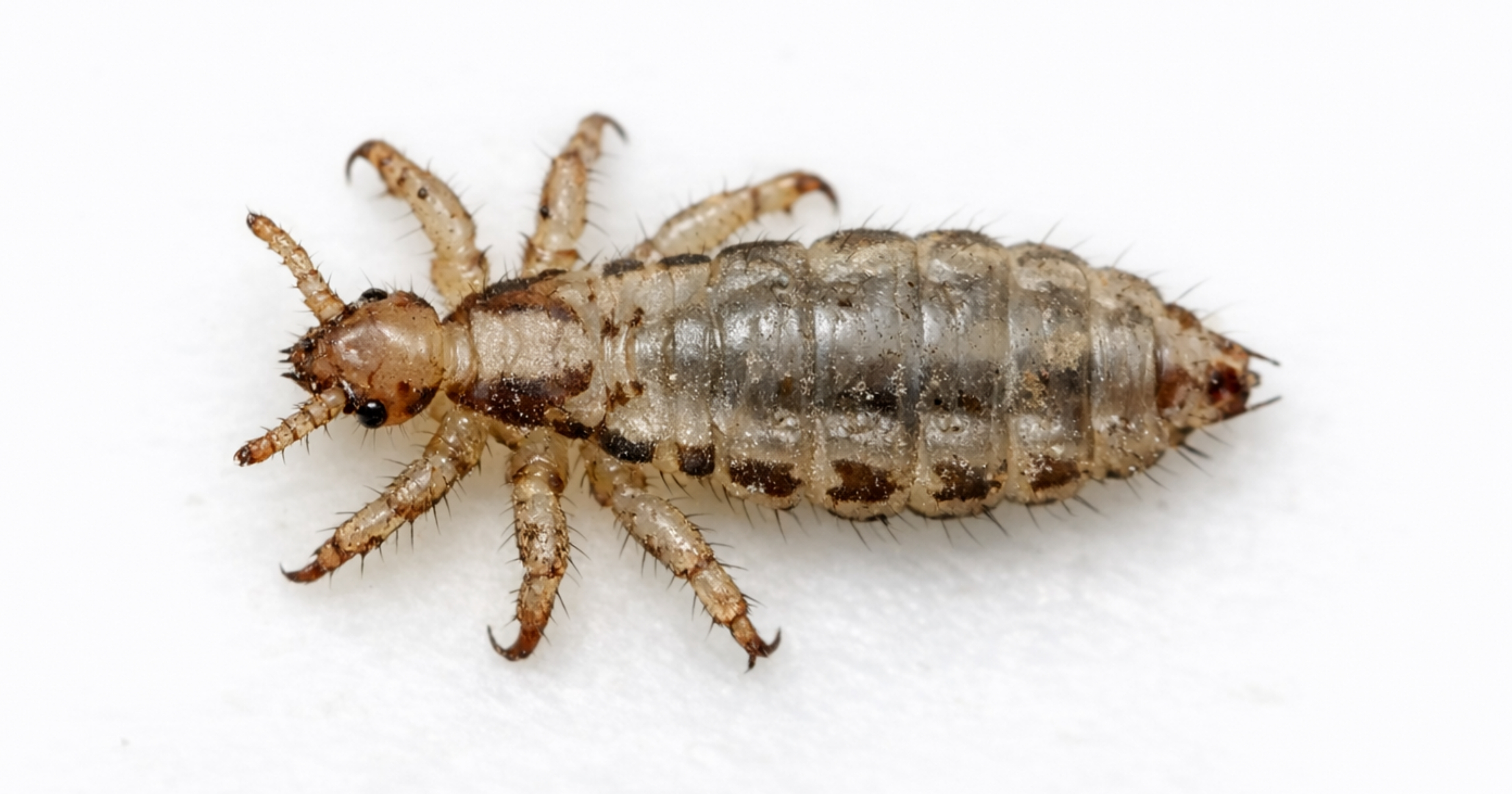
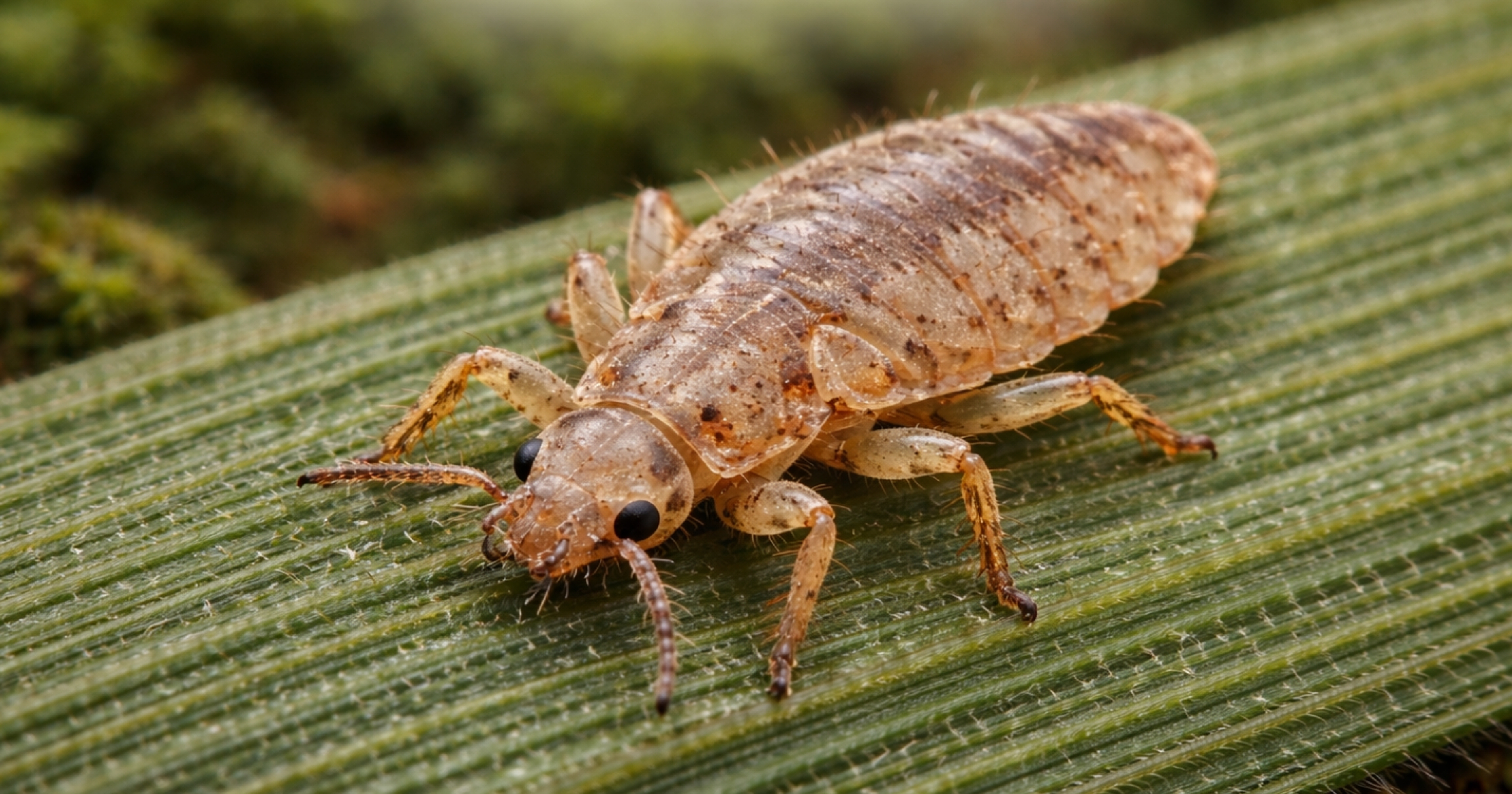
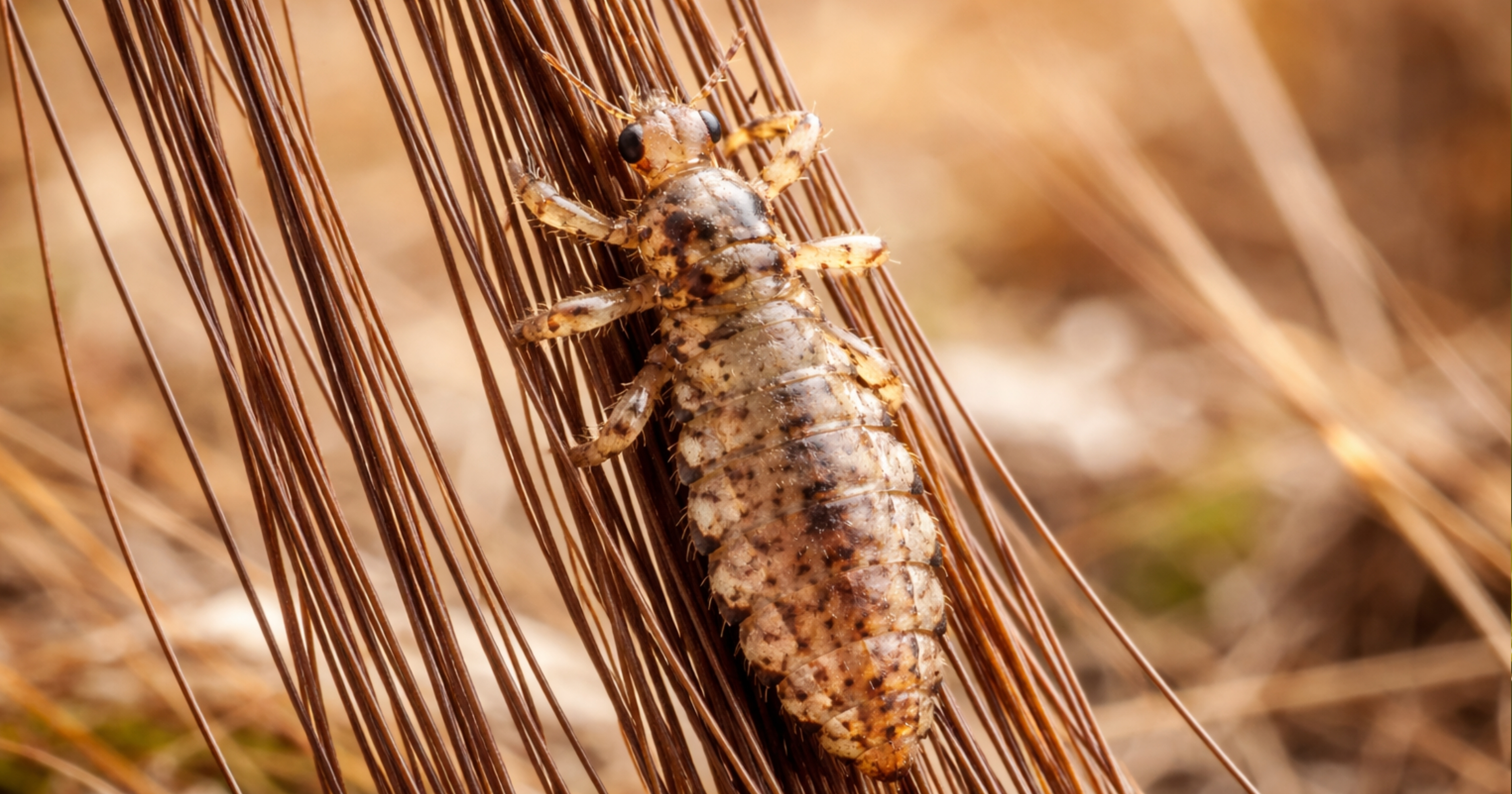
- Small wingless insect, about 2–3 mm long; greyish-white to tan
- Nits (eggs) are oval, pale, and firmly glued to hair shafts near the scalp
- Six legs with claws; moves by crawling (cannot jump or fly)
- Often found behind ears and at the nape of the neck
Commonly found
Behaviour
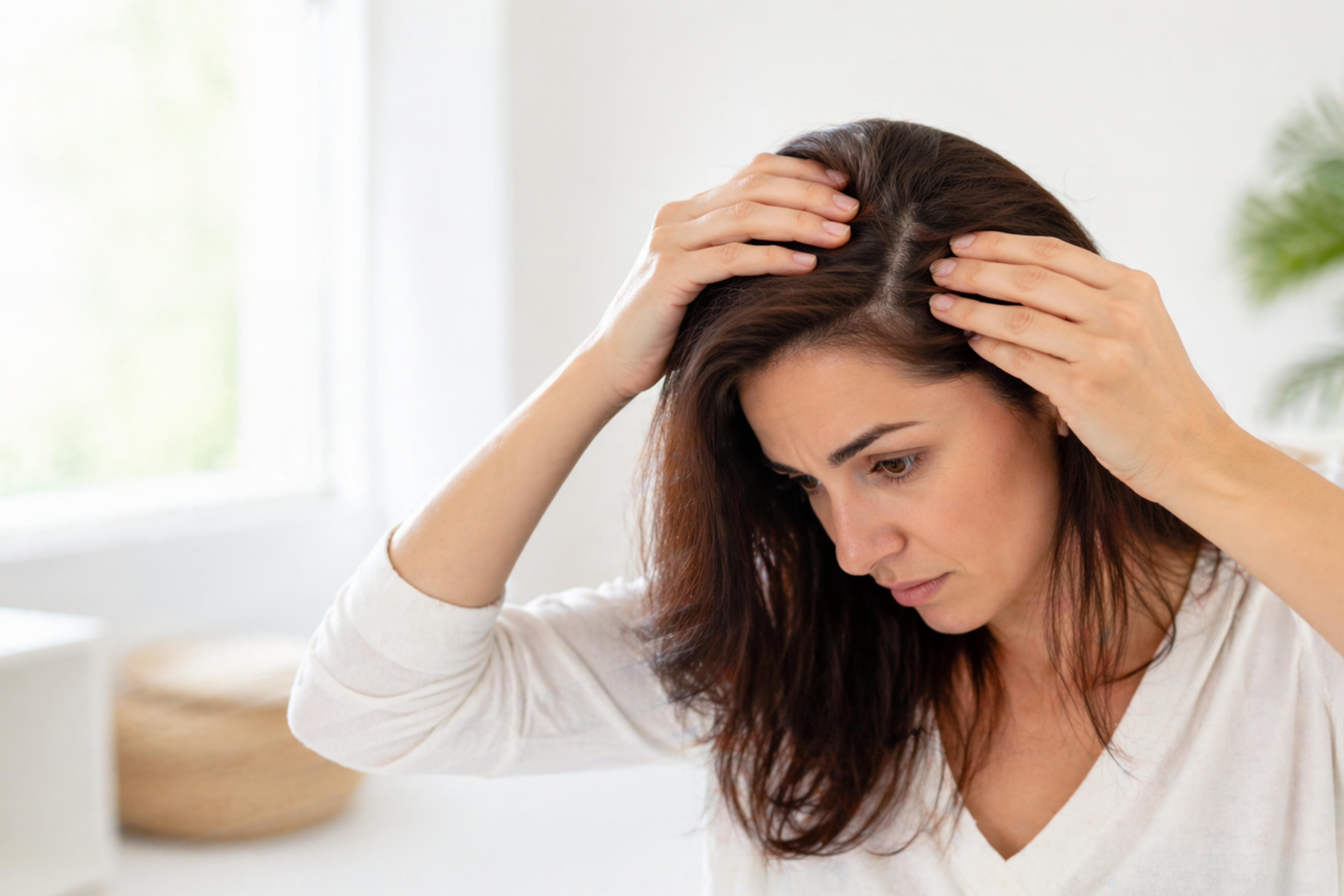
Head lice feed on blood from the scalp. They do not carry disease but cause itching. They spread by direct head-to-head contact or by sharing items that touch the head. We do not treat people for head lice — treatment is with pharmacy products (lotions, shampoos, fine-tooth comb) and by washing bedding and avoiding shared items. We can advise on premises cleaning and reducing reinfestation.
Why you may be seeing them
Contact with someone who has head lice, or shared combs, hats, or pillows. Nits hatch in about 7–10 days; empty nits remain on hair. Regular checking and treatment of the person (pharmacy products) and hygiene of bedding and items clear the problem.
Often confused with
Dandruff or debris (nits are firmly attached and oval; dandruff flakes off) · Hair casts (cylindrical; nits are oval and glued) · Body louse (body lice live in clothing, not on scalp)
When to get help
Head lice are best treated with pharmacy products and combing. We do not treat people. We can advise on premises cleaning, washing bedding, and when to repeat treatment. If infestation persists despite correct use of pharmacy treatment, consult a pharmacist or doctor.
Head lice are very common and are not a sign of poor hygiene. Pharmacy treatment and hygiene are effective.