
Feral Pigeon
Columba livia (domestic/feral)
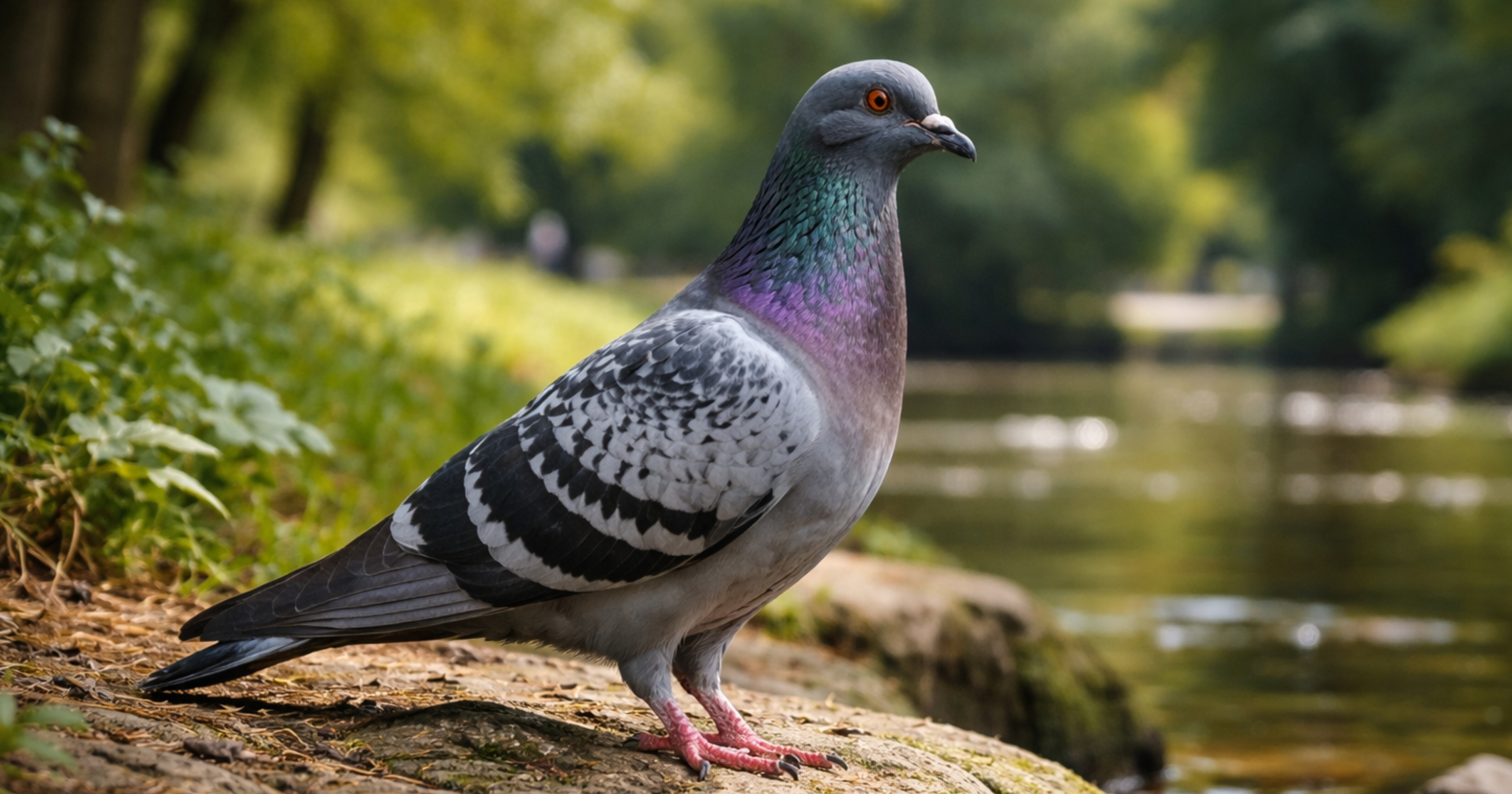
Appearance
- Plump; grey with iridescent green/purple on neck; two dark wing bars
- About 32–37 cm; some birds chequered, white, or rusty
- Short legs; round body; small head
- Nests: loose platform of twigs and debris
Commonly found
Behaviour
The most common nuisance bird on South African buildings. Descended from rock doves; thrives in urban areas. Nests on ledges and in sheltered spots; can breed year-round. Droppings are acidic and damage paint, stone, and metal; they also create slip hazards and can carry disease. Loafs and roosts on favoured sites. Proofing (spikes, netting, mesh) excludes them from landing and nesting.
Why you may be seeing them
Ledges, gutters, and roof edges offer shelter and nesting sites. Food from spillage, feeders, or rubbish attracts them. Once they establish a site, they return repeatedly. Droppings and nest debris accumulate quickly.
Often confused with
Other doves (e.g. laughing dove — smaller, different call; Cape turtle dove) · Domestic pigeons (same species; feral = feral populations in towns)
When to get help
Nesting in gutters or vents; heavy fouling on sills or walkways; repeated nesting after removal. Professional bird proofing excludes them humanely from ledges and gaps.
Humane proofing (spikes, nets) is preferred; no harm to birds. Clear nests only where permitted and then proof to prevent return.