Nest-first control: we confirm the species context, plan timing to reduce sting risk, treat the colony, and remove the nest where included—then advise on sealing and attractants. Your written quote and agreement always prevail.
National guarantees hub · Wasp guarantee summary · Wasp nest removal (booking)
We map flight lines, entry points, and nest position (eaves, trees, sheds, enclosed comb, voids). The quote names what we can access and treat.
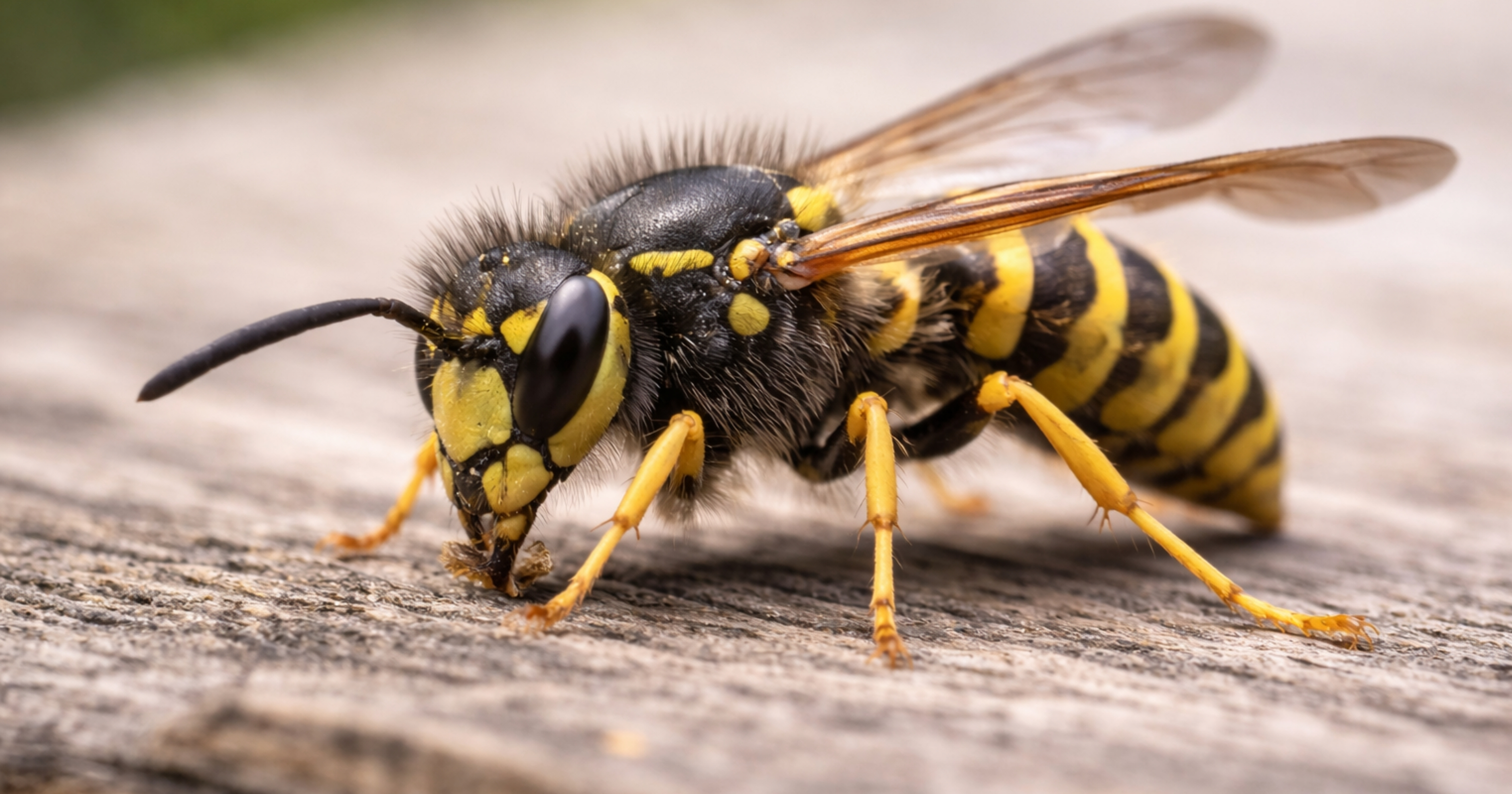
Wasps can sting repeatedly; many species build the nests we treat on structures. Honeybees are different in behaviour and conservation value—where relocation is appropriate, we point you to a beekeeper rather than treating as a wasp job.
Treatment is often scheduled for dusk or low-activity windows when that fits the species and site. We use protective measures and site briefing so occupants know what to expect.
Products and application follow label, nest type, and occupancy. The goal is colony control at the nest—not a perimeter-only spray that leaves the nest active.
Once the colony is controlled, we remove the nest where safe and included in scope so the structure does not retain comb or attract secondary issues.
Wall and roof voids may need entrance treatment, follow-up observation, or builder access. Your agreement records assumptions (e.g. no strip-and-rebuild unless quoted).
A second nest nearby, seasonal re-infestation, or missed void can look like "treatment failed." We reassess and quote additional scope when needed—warranty only covers what your programme lists.
Standard agreed nest treatment programme: six months written guarantee on the quoted scope when we sell it as such—typically the treated nest site, named entry or void access, and removal where included. We do not promise that no wasp will ever visit your property: foragers and new seasonal nests elsewhere are outside a single-nest warranty unless your contract says otherwise. Warranty covers eligible resurgence of colony activity at the treated nest location (or as defined in your paperwork) during the window. Hidden secondary nests may need a separate scope. We treat wasps; honeybee colonies are referred for relocation where appropriate—your agreement lists what was treated. Callbacks under guarantee are free within eligible scope. Commercial or multi-nest sites may use different periods—your paperwork prevails. Full wording: wasp guarantees.
Foraging wasps from neighbouring properties, new queens starting fresh nests later in the season, or untreated secondary nests may not fall under a single-nest programme. Cover follows your written scope.
Follow technician instructions during and after treatment. General expectations: pest control safety.
We do not recommend DIY. Disturbing the nest can trigger swarming and multiple stings. Professional timing, products, and PPE reduce risk.
No. Honeybee colonies are often referred for beekeeper relocation where appropriate. We focus on wasp and hornet nests per your quote.
Standard agreed nest treatment programme: six months written guarantee on the quoted scope when we sell it as such—typically the treated nest site, named entry or void access, and removal where included. We do not promise that no wasp will ever visit your property: foragers and new seasonal nests elsewhere are outside a single-nest warranty unless your contract says otherwise. Warranty covers eligible resurgence of colony activity at the treated nest location (or as defined in your paperwork) during the window. Hidden secondary nests may need a separate scope. We treat wasps; honeybee colonies are referred for relocation where appropriate—your agreement lists what was treated. Callbacks under guarantee are free within eligible scope. Commercial or multi-nest sites may use different periods—your paperwork prevails. Warranty callbacks follow your written agreement when covered activity returns within the guarantee window on the quoted scope.
We often treat nest entrances or voids per label and site assessment. Your quote defines access assumptions and whether physical removal is included.
We quote access, treatment, removal, and follow-up when included.