
House Fly
Musca domestica
Appearance
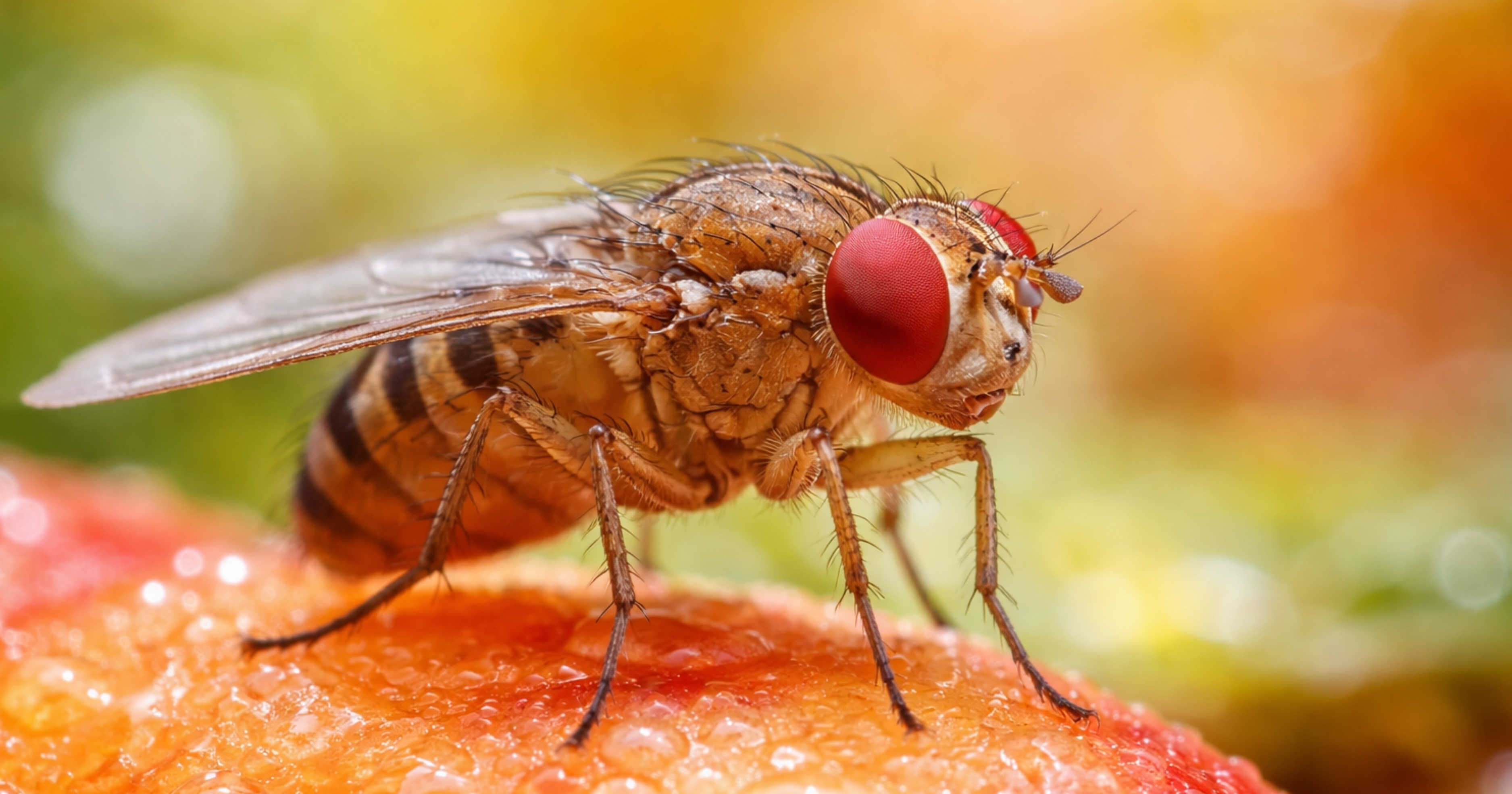
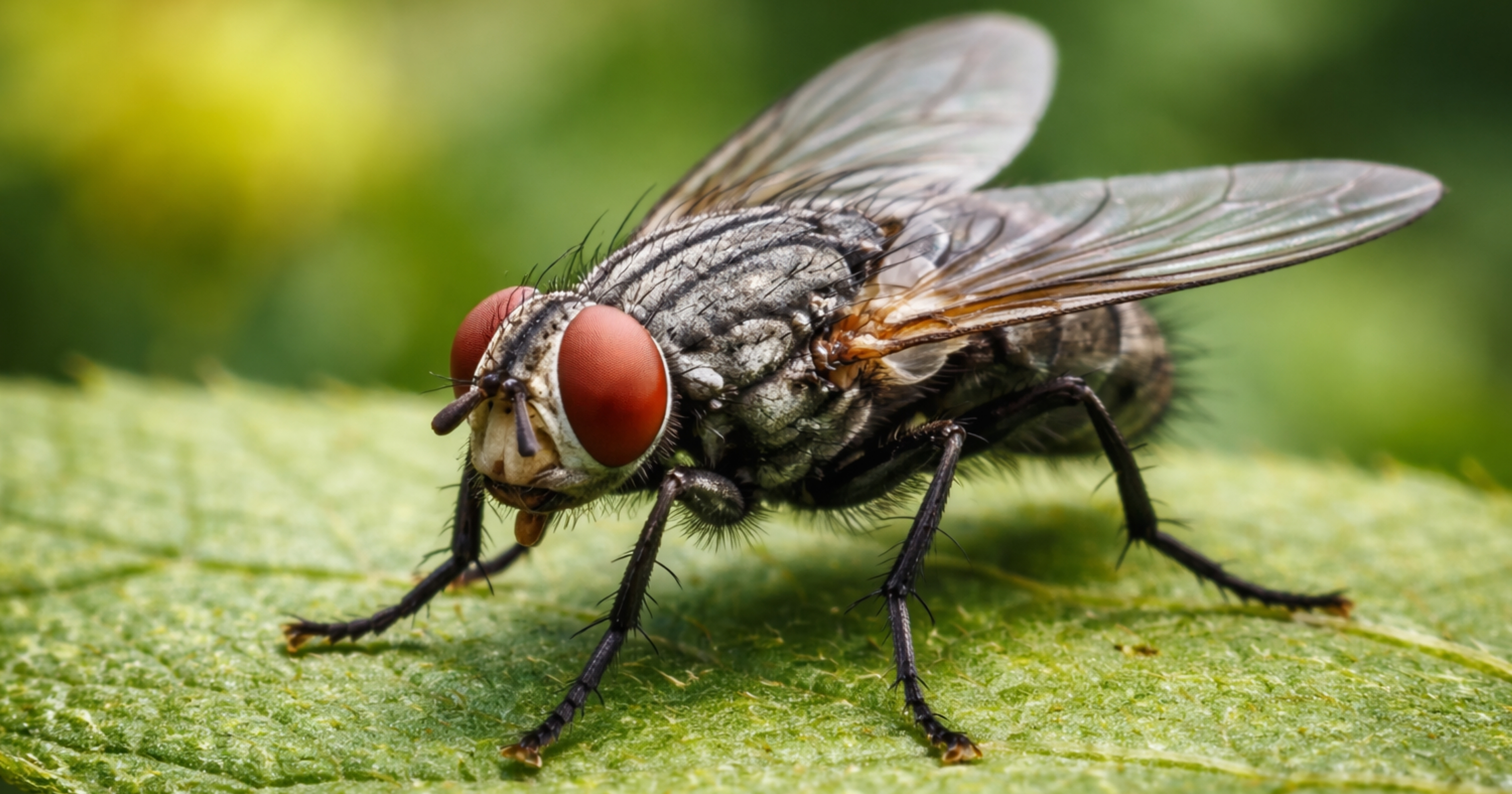
- Grey with four dark longitudinal stripes on the thorax
- About 6–9 mm long; oval abdomen
- Large compound eyes; sponging mouthparts
- Maggots: creamy white, legless; in wet organic matter
- Pupae: dark, barrel-shaped; often near breeding site
Commonly found
Behaviour
The most familiar fly in South African homes and businesses. Breeds in moist organic matter: refuse, manure, compost, and decaying material. Eggs to adults in about a week in warm conditions. Adults land on food and waste and can spread pathogens. Control requires removing or sealing breeding sites and improving sanitation; spraying adults alone gives only temporary relief.
Why you may be seeing them
Open bins, uncovered food, spills, and poor waste management provide breeding sites and food. Flies enter through doors and windows. Numbers rise in warm, wet weather. Often the dominant fly in kitchens and canteens.
Often confused with
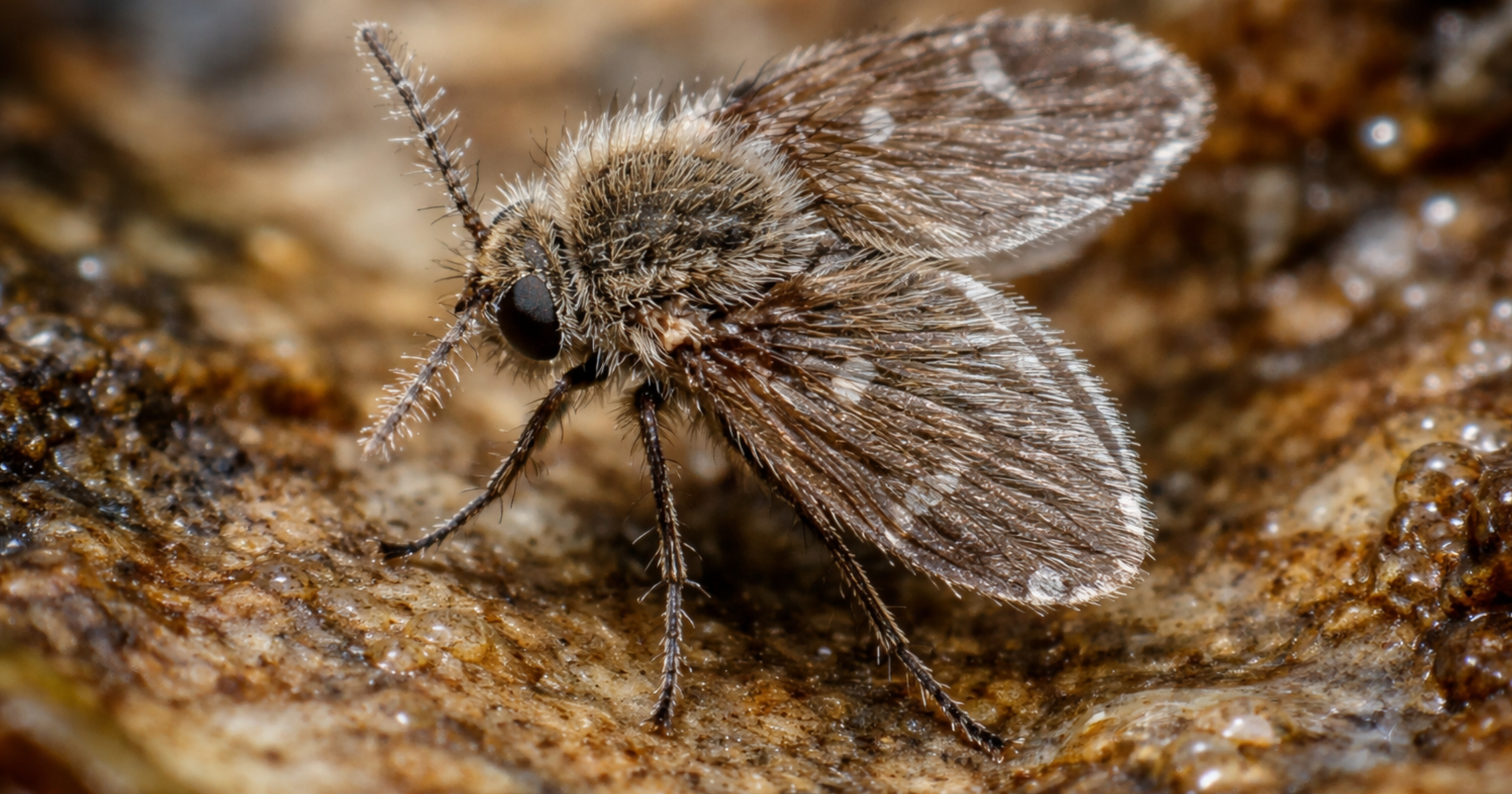
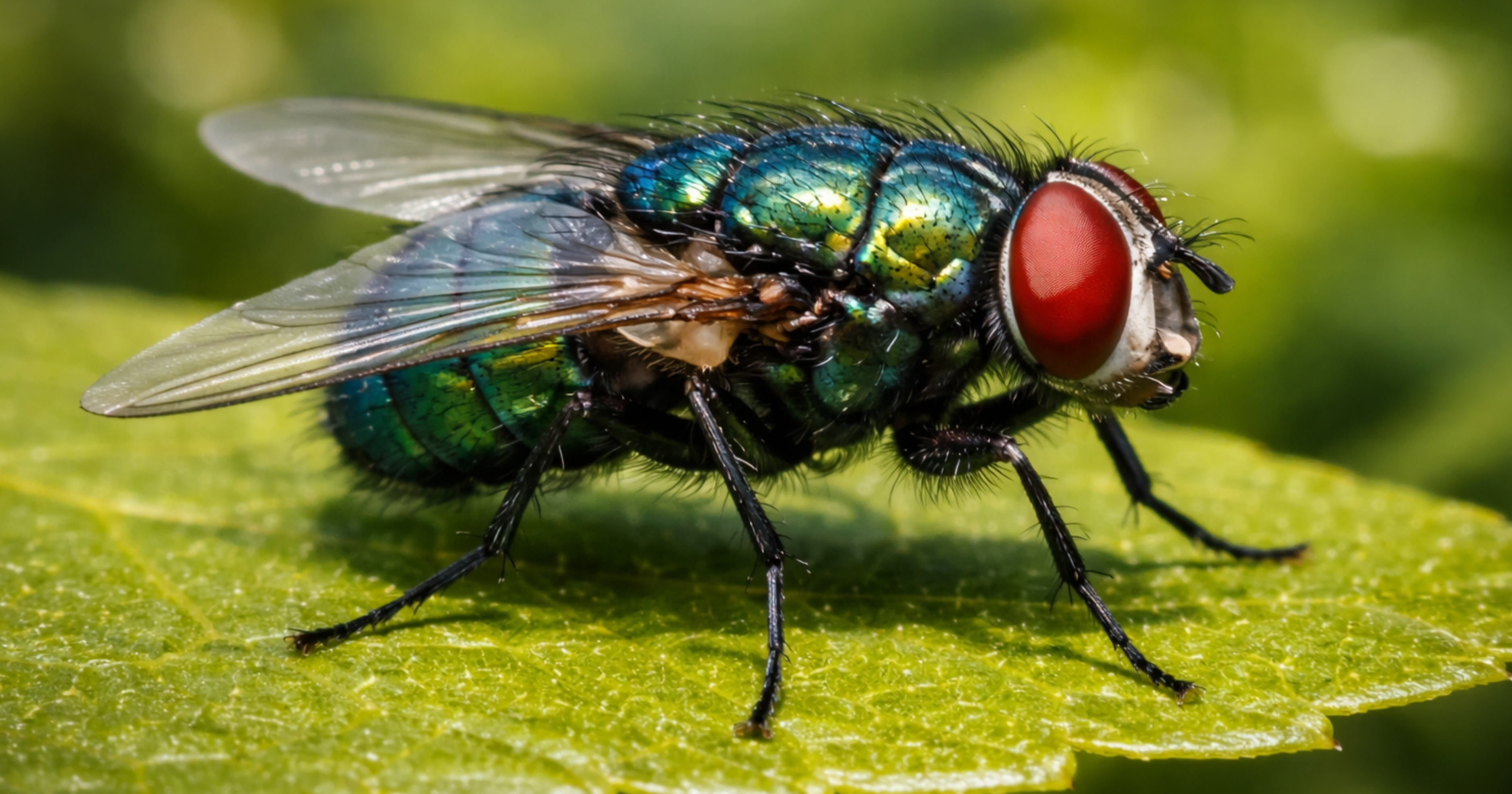
Other muscid flies (similar size and colour; house fly has the four stripes) · Blowfly (blowflies are metallic blue/green and larger)
When to get help
Persistent numbers; flies in food areas; commercial or food business. Professional control targets breeding sites and advises on bins, screens, and hygiene.
House flies can transmit pathogens; good hygiene and source reduction are essential.